






















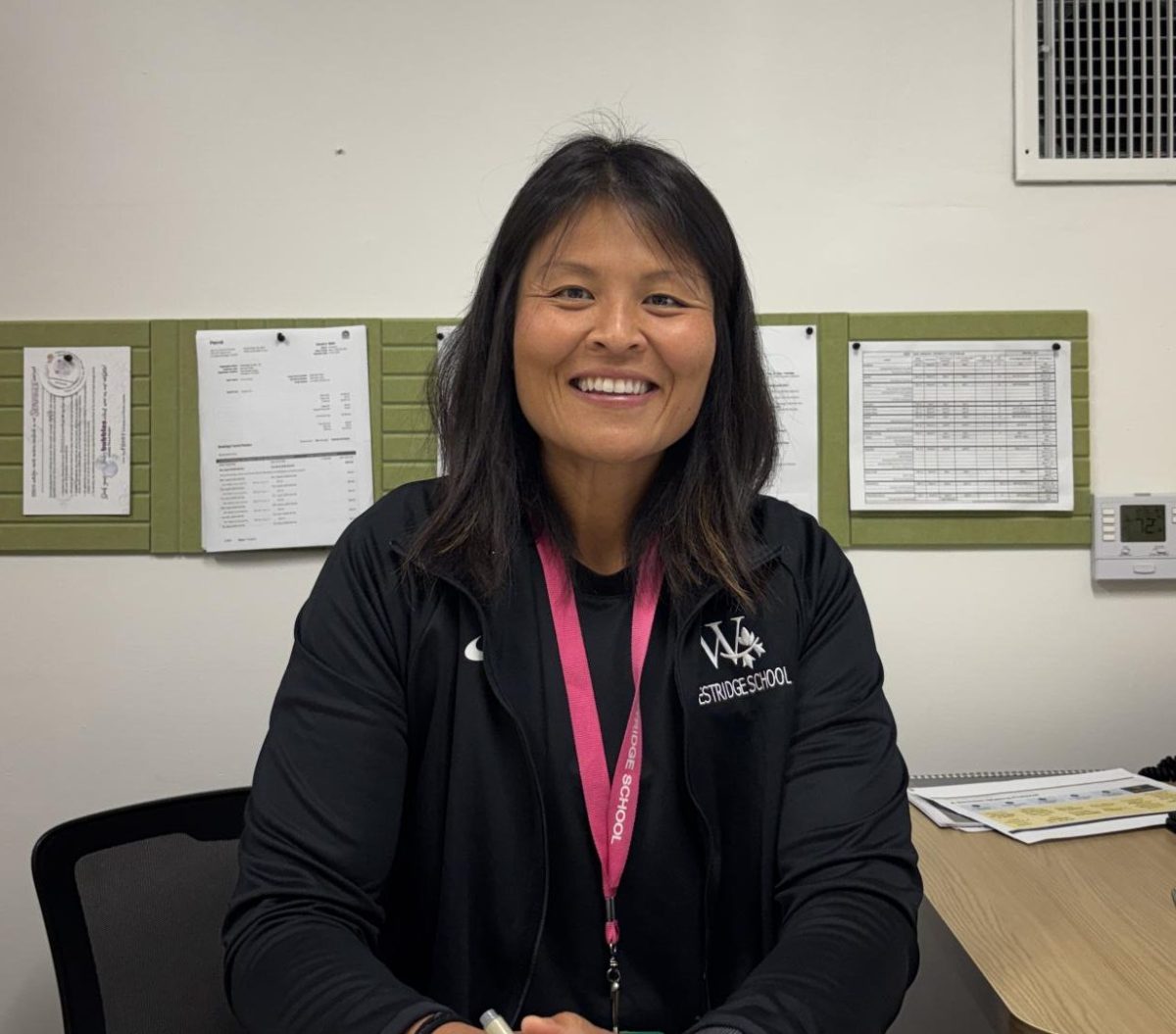
![Dr. Zanita Kelly, Director of Lower and Middle School, pictured above, and the rest of Westridge Administration were instrumental to providing Westridge faculty and staff the support they needed after the Eaton fire. "[Teachers] are part of the community," said Dr. Kelly. "Just like our families and students."](https://westridgespyglass.org/wp-content/uploads/2025/03/dr.-kellyyy-1-e1748143600809.png)

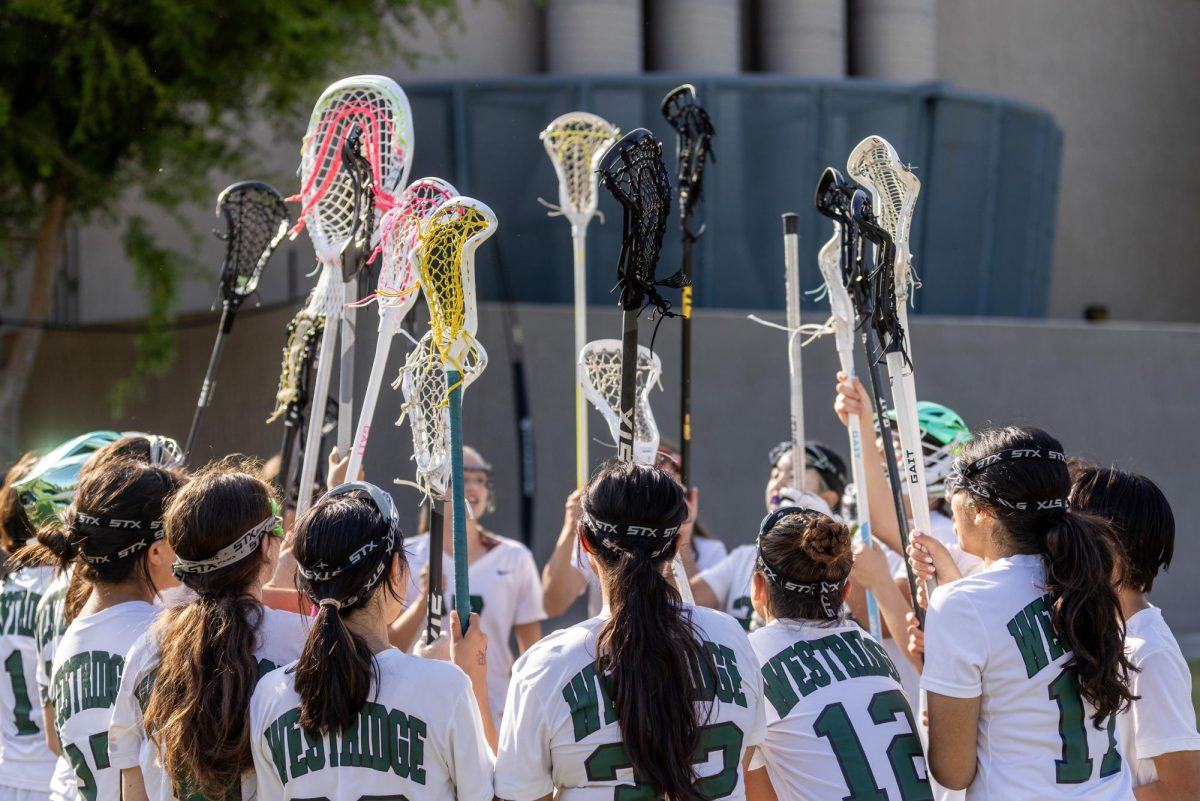
![Lacrosse had an incredible season, making it to the semifinals. Jeff Searock, the father of player Sophie S. '28 has gone to most games and said, "[The season has] been great. Great coaching, great players, kids have great attitude. You can't ask for much more."](https://westridgespyglass.org/wp-content/uploads/2026/05/IMG_3652-1200x900.jpeg)










Walking into school the first day back from break, the overwhelming workload was immediate. History paquettes were distributed. In-class writings were assigned. Tests were mentioned casually, as if we hadn’t just returned from two weeks away. I remember sitting in class feeling oddly lost, like everyone else had been moving forward while I had been standing still.
It wasn’t until I started talking to friends that it made more sense. Barely anyone had truly taken an academic break—some had spent the break studying for the ACT or SAT, while others had been reviewing chemistry, finishing homework early, or trying to get ahead to ease the transition back into school. Suddenly, the gap between rested and ready felt enormous. Even though I’d enjoyed my break, I still felt behind before the semester had truly begun.
That disconnect made me wonder how many of my classmates felt the same way—overwhelmed, not because we hadn’t worked hard enough, but because the pace of school leaves so little room to actually stop, especially when everything ramps back up after a break. Rachel K. ’27 described coming back as being “immediately thrown into the throes and the storms of second semester.”
For Miyari V.-W. ’27, the exhaustion was even heavier than in the fall. “I felt a lot more exhausted than I had even in the first semester,” she said. “The sheer amount of stress from [the] first semester can’t really be fully gone by the start of the second semester.”
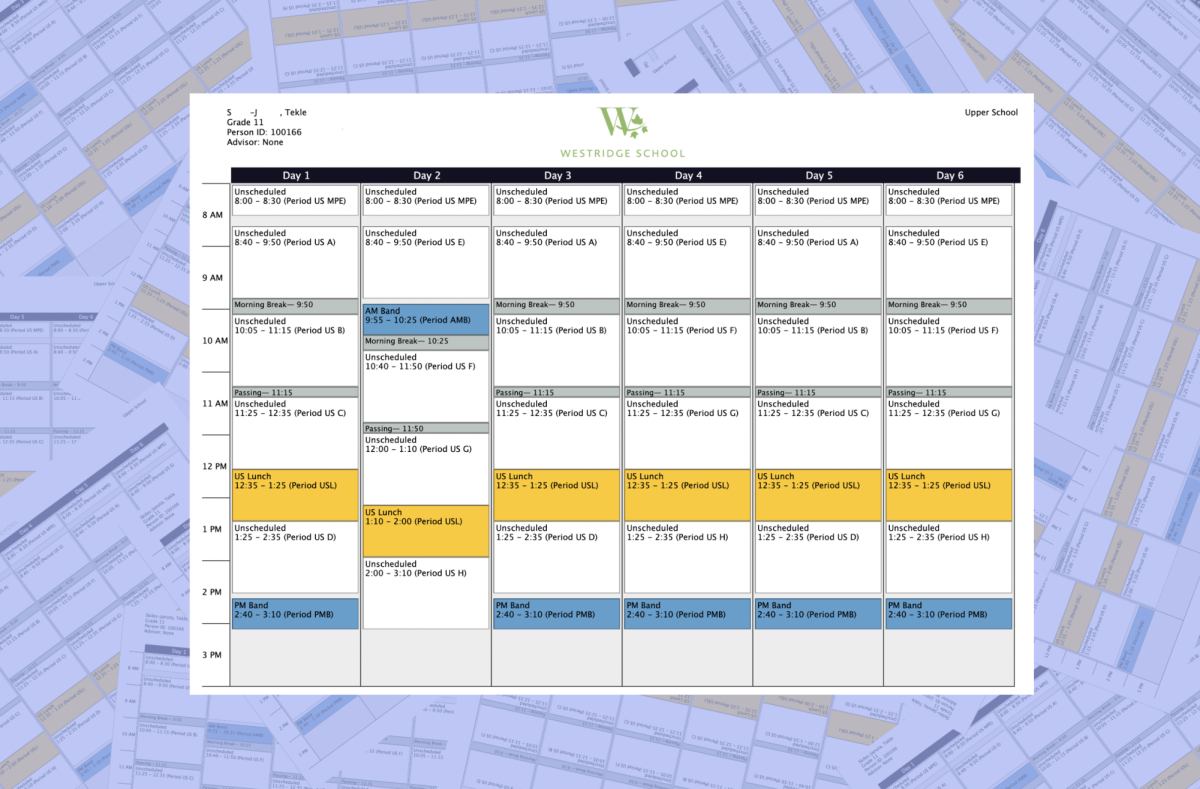
Somewhere along the way, being constantly exhausted became normal for Westridge students. Late nights are expected. Heavy course loads are standard. Extracurriculars stack on top of academics, and rest often comes with guilt. The message, implicit or not, is that being busy means you’re doing things right. Editor Tekle S.-J. ’27 highlights Westridge’s “competitive suffering,” where students half-joke about how little sleep they got or how many deadlines they’re juggling, as if the normalization of struggling displays academic success.
Administrative Assistant to the Upper School Ms. Kali Spicer sees burnout as shaped by both students’ internal expectations and the broader academic culture at Westridge. “Westridge can ask a lot of students. There’s the external ask, and then there’s also the internal ask—of the internal wanting things to go well,” she said. “Lots of Westridge students are involved in so many [activities], and so when you have a sport, and a rocketry trip, and this paper, and you’re in charge of this club… all those demands start to really add up.” At a school where many students feel pressure to build strong resumes, extracurricular commitments can quickly accumulate.
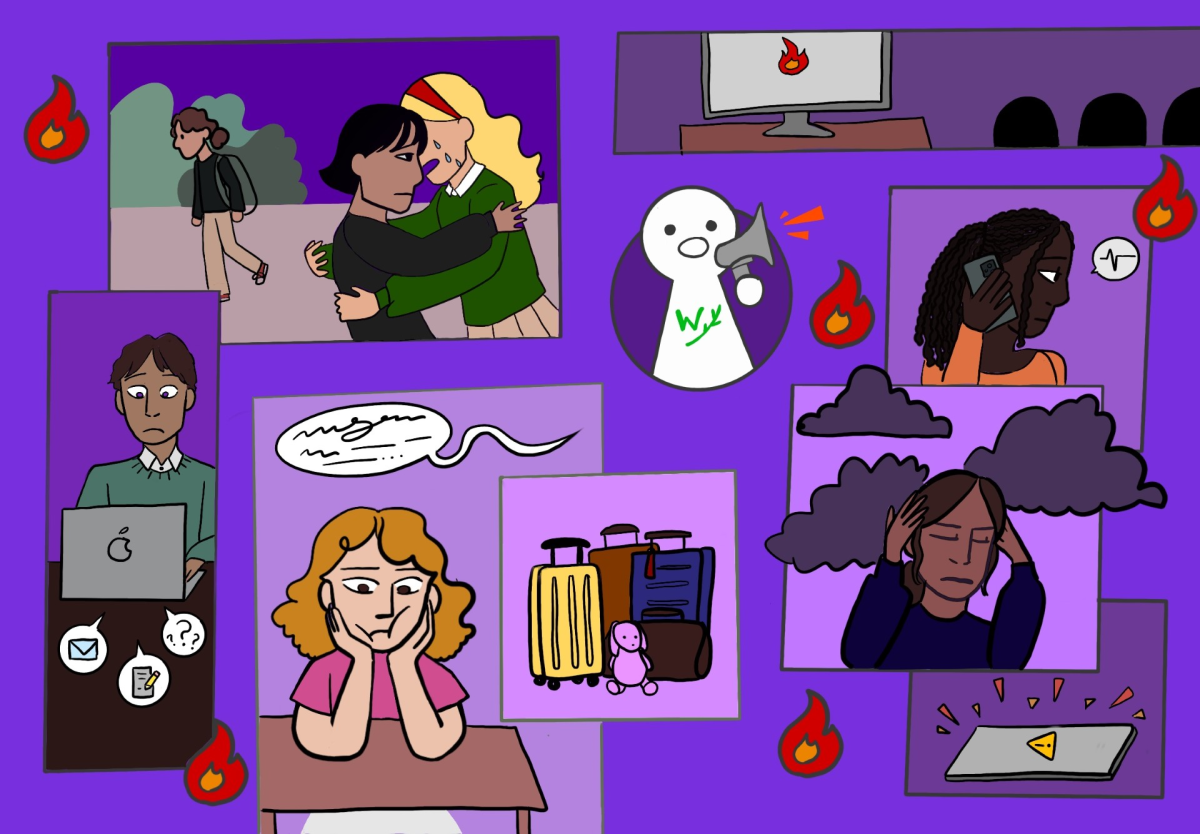
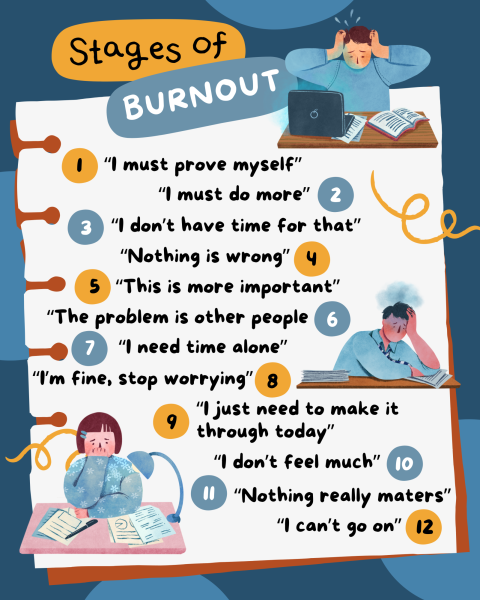
Oftentimes, burnout is misunderstood because of the gradual build-up over a long course of time. Motivation fades, even in classes students once enjoyed. Tasks that used to feel manageable begin to feel overwhelming. Breaks don’t feel restorative; instead, they’re filled with anxiety about everything that still needs to be done. From the outside, a student might look fine—turning in assignments, attending and doing well in classes—but internally, they may feel numb, detached, or constantly on edge.
According to a 2025 study in Behavioral Sciences, student burnout is a “chronic response to occupational stress,” not about just having too much work but rather the gradual loss of energy, motivation, and confidence that comes with constant pressure.
That erosion happens when stress never gets a chance to resolve. In Burnout: The Secret to Unlocking the Stress Cycle, psychologists Emily and Amelia Nagoski explain that burnout occurs when people remain stuck in a prolonged stress response without a sense of closure or relief. Modern stressors, they argue, don’t come with clear endpoints the way physical threats once did, leaving people in a constant state of alert. “You can’t solve the problem of stress by solving the problem,” they write. “You have to complete the stress response cycle.”
That emotional exhaustion shows up in tangible ways for students. Amelie S. ’28 described burnout as a kind of paralysis. “A lot of the time, it’s kind of just sitting in my room and not doing anything,” she said. “I know that I want to do [homework], but it’s just so exhausting and mentally taxing that I can’t bring myself to do it.”
She distinguished burnout from ordinary stress by how deadlines stop working as motivation. “When I’m stressed and busy, I usually get around to doing [my work],” she said. “But when I’m burnt out, I lose the motivation… the deadline gives me so much stress that I’ve become so numb to it—it doesn’t even motivate me anymore.”
Senior Mason K. described burnout as a complete loss of momentum. “It’s when you have a plan that you know is feasible,” he explained, “but you just can’t focus. Everything you do, you feel like giving up every step of the way… It’s like I used up all my stamina.”

Others experience burnout less as losing energy and more as losing structure altogether. Miyari described it as reaching a point where even organizing yourself becomes impossible. “When you get so burnt out, you’re not really able to make a plan,” she said. “You can’t keep pushing yourself… you’re just not functioning properly.”
Dr. Lisa LaFave, Director of Counseling and Student Support, emphasized that burnout is often misread as laziness or lack of effort. “If a kid’s not turning in work, there’s a reason for that,” she said. “It’s not laziness. It’s not a moral failure. Something’s getting in the way.”
Ms. Spicer also pointed out how language shapes the way struggling students are treated. “I try to stay away from the words ‘lack of motivation’ or ‘unmotivated,’ because I feel like it just brings judgment on the student,” she said.
Learning Support Specialist Ms. Susie Murdock said what she notices in many students isn’t just stress. “What I see is not sustainable,” she said. “Because if you can’t sustain it, then it becomes burnout.”

However, despite how common these experiences are, burnout is often treated as an individual problem, with advice focused on coping strategies like getting more organized or managing time better. While those tools can help, they do not always address whether the pace and expectations students face are actually sustainable, leaving the rest to feel optional.
At the time, I thought what I was feeling the first day back was just stress—just post-break sluggishness, just another rough Monday. Now, it feels more like the weight of a pace that never really slows down. And after hearing from my classmates, from faculty, and from friends who felt just as overwhelmed, I realized it wasn’t an isolated moment. It was something many of us were carrying quietly, often without the language to name it.
Burnout doesn’t announce itself. It builds. It hides behind productivity and good grades and packed schedules. And for a lot of Westridge students, it’s already part of the background noise of school life—even if we don’t always recognize it as such. Maybe that’s what makes burnout hardest to notice: not that it’s rare, but that it’s become normal.




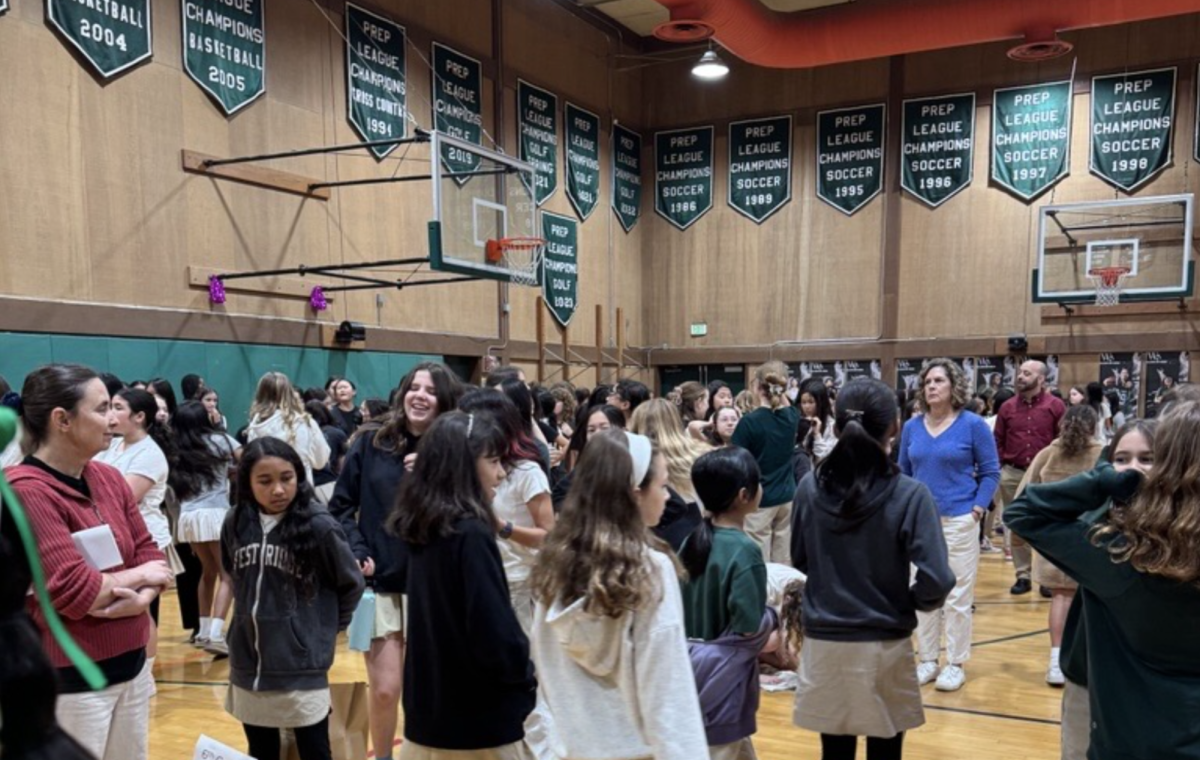
![“I just know every time I look into one of those sorting stations, [I] wouldn't be able to tell which one is a landfill, which one is compost and which one is recycling,” Upper School Service Coordinator and Green Guerrillas advisor Ms. Erica St. John recalled, reflecting upon Westridge’s waste sorting job.](https://westridgespyglass.org/wp-content/uploads/2026/04/FinleyNichols_Recycling-1-e1776618779363-1200x878.jpg)