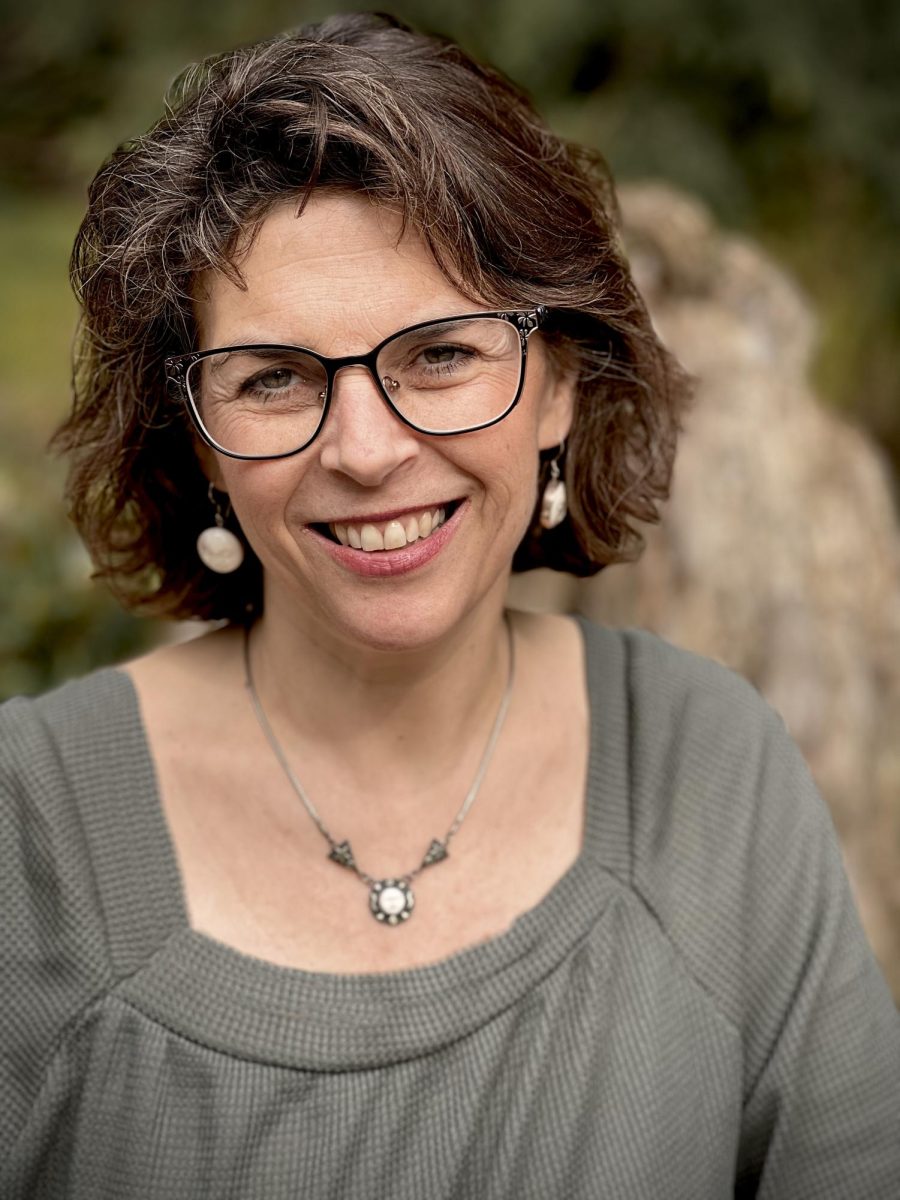














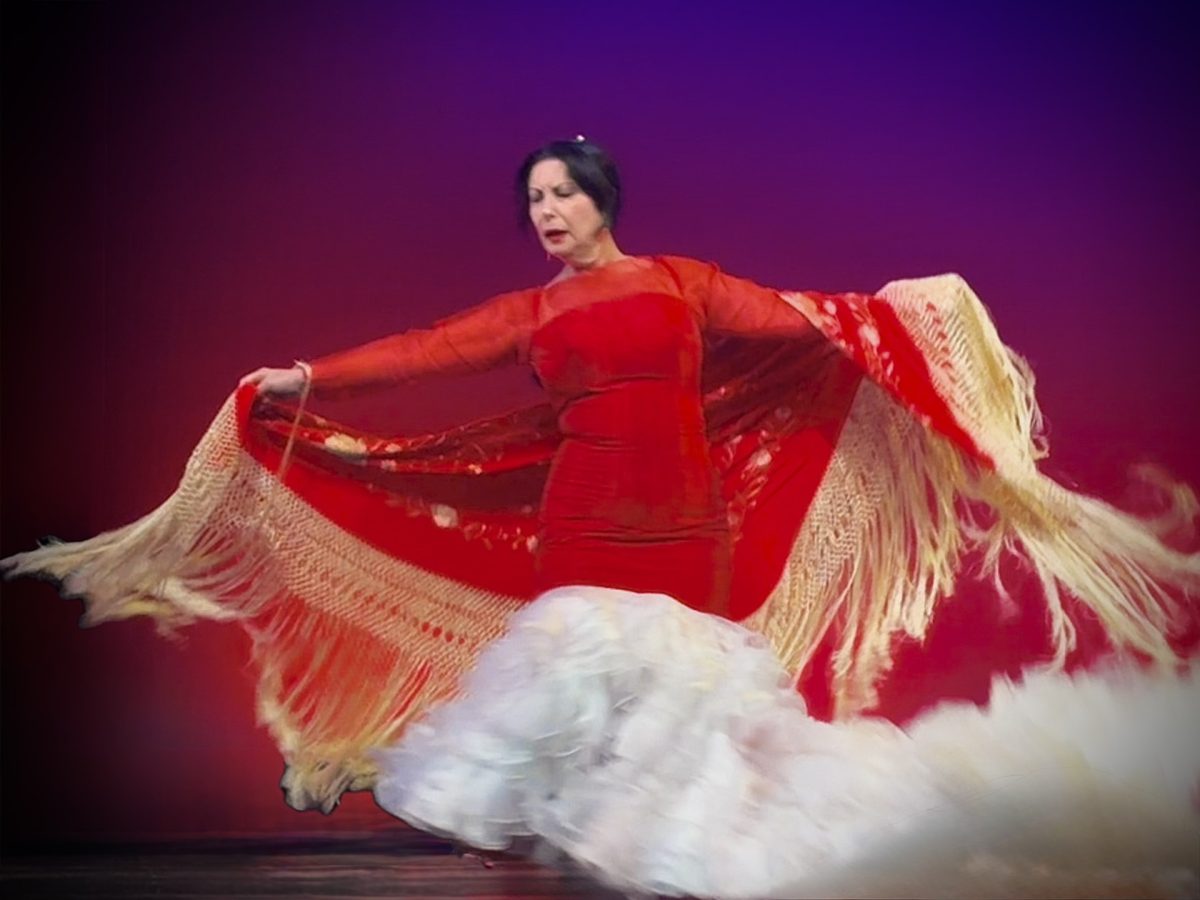




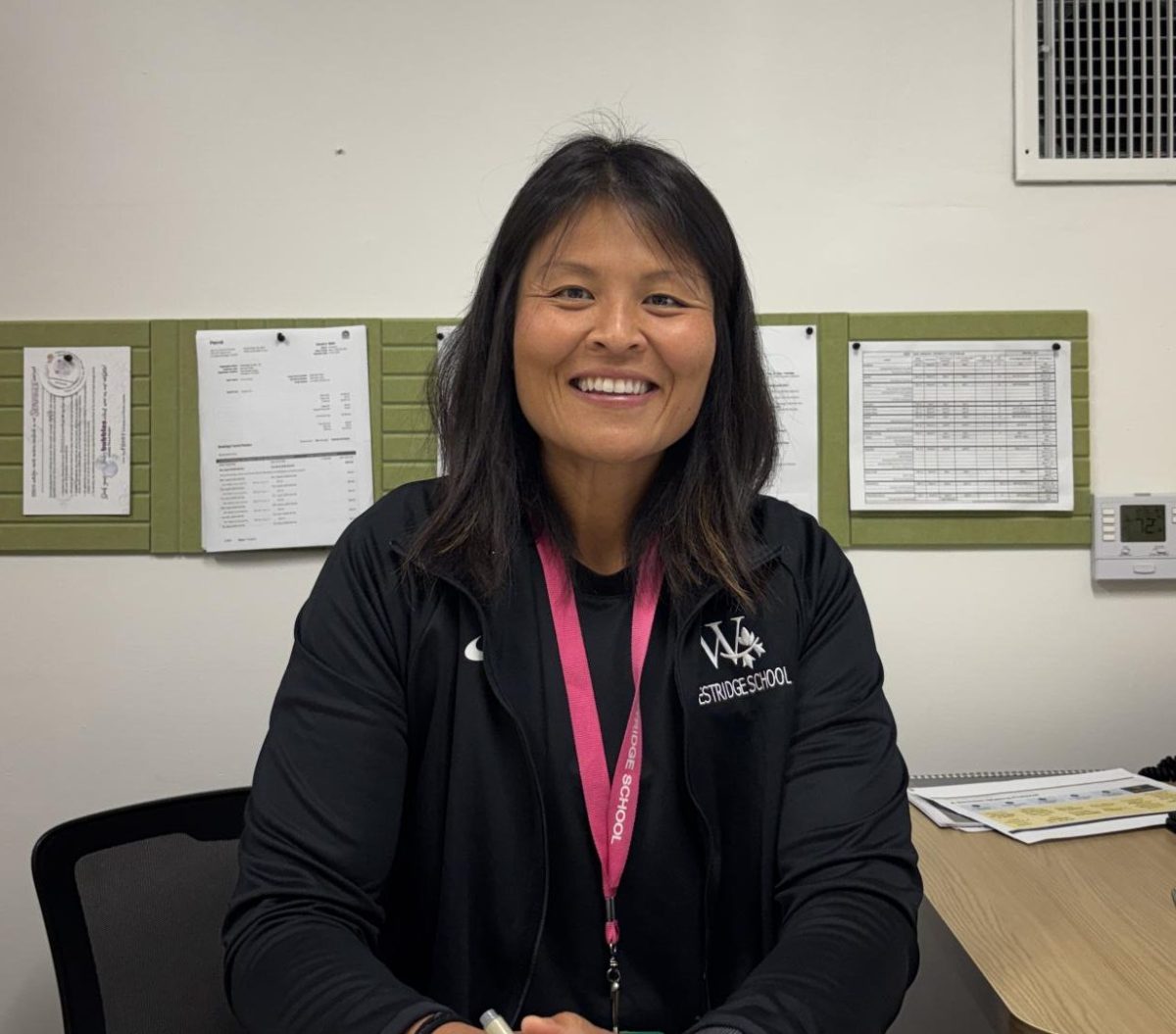
![Dr. Zanita Kelly, Director of Lower and Middle School, pictured above, and the rest of Westridge Administration were instrumental to providing Westridge faculty and staff the support they needed after the Eaton fire. "[Teachers] are part of the community," said Dr. Kelly. "Just like our families and students."](https://westridgespyglass.org/wp-content/uploads/2025/03/dr.-kellyyy-1-e1748143600809.png)
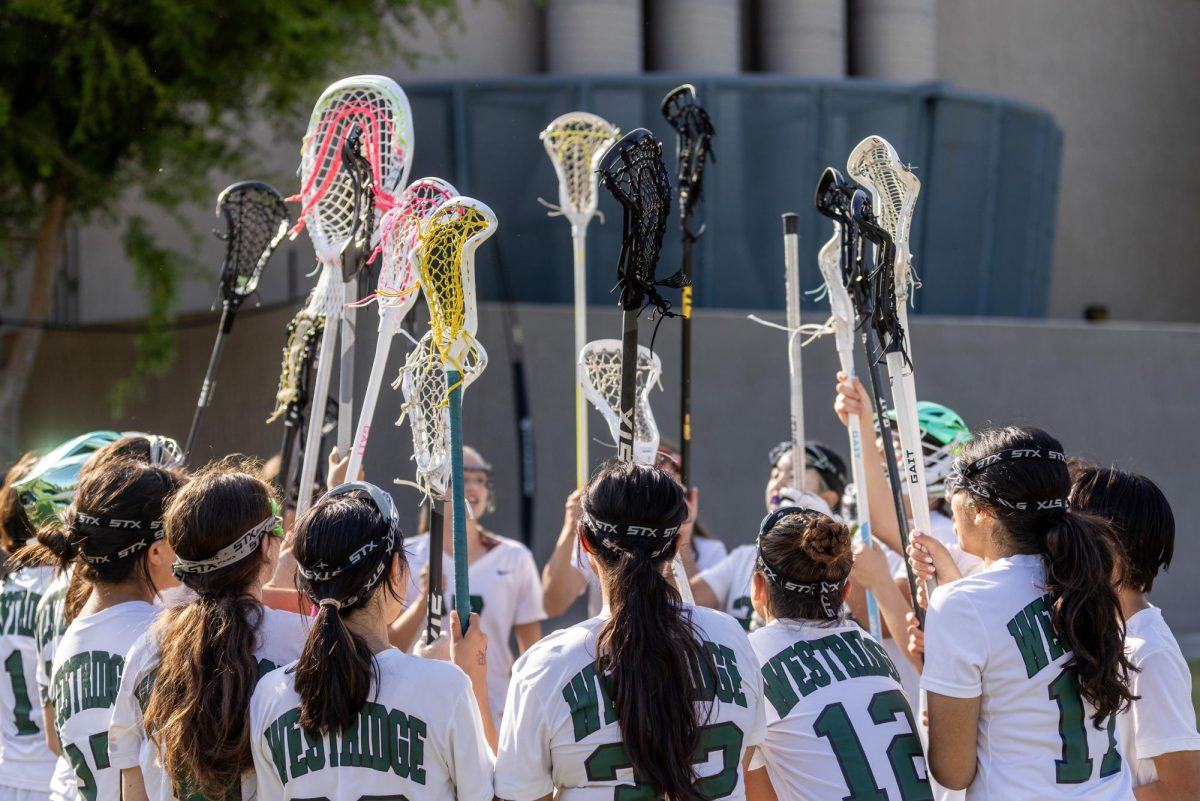
![Lacrosse had an incredible season, making it to the semifinals. Jeff Searock, the father of player Sophie S. '28 has gone to most games and said, "[The season has] been great. Great coaching, great players, kids have great attitude. You can't ask for much more."](https://westridgespyglass.org/wp-content/uploads/2026/05/IMG_3652-1200x900.jpeg)









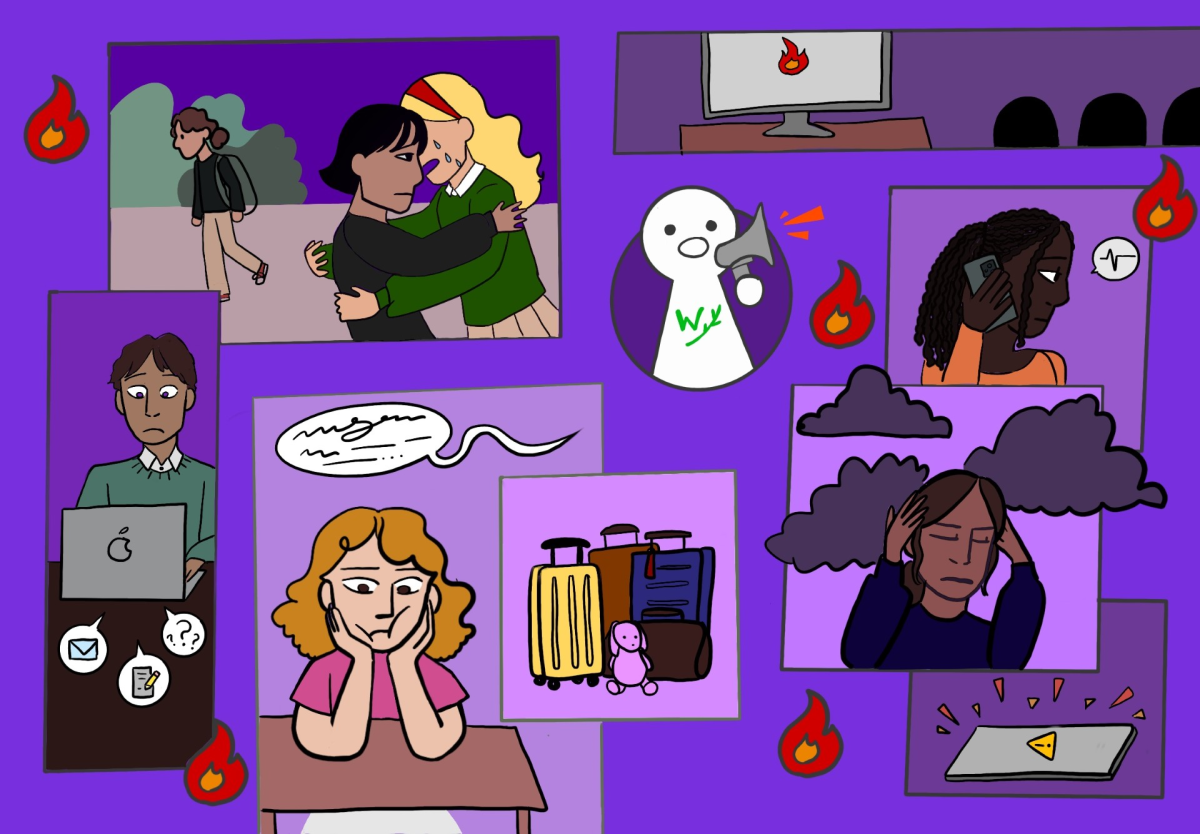
The typical return to school after winter break is always rather dull. Instead of feeling rejuvenated and ready to take on the increasing workload of the third quarter, most students still feel exhausted and often dread the upcoming academic conundrums. Cozy December has concluded and there’s not much to look forward to. This particular return, however, is especially important. January 2026 marks the one year anniversary of the Los Angeles Wildfires that ravaged the Pacific Palisades and Altadena communities. The Eaton fires alone were the fourth largest in the state’s history, devastating around 5,000 structures. The fires’ impact was felt far and wide, forever changing, schools, communities, businesses and the lives within them.
Genuine Friendship When it Matters Most
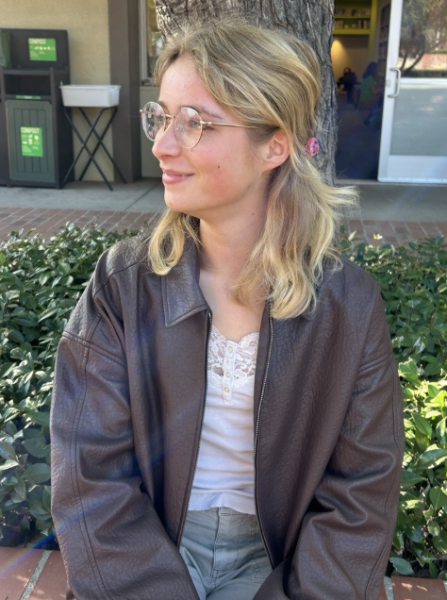
During the fires, Catherine got a chance to reassess her friendships. “I had some friends who weren’t the kindest after and kind of criticized a few things I was doing or commented that I was never in dress code, stuff like that,” said Catherine. “And it just, knowing how people act in stressful situations, I think tells you a lot about people. So I chose to surround myself with different people because of it.” Although her encounter with the fires was frightful, the ability to learn how to curate her environment to better suit her emotional needs is an incredibly valuable skill to develop at a young age. What she did not get a chance to do was adjust back to the academic environment of school. Though students were not supposed to have any work assigned, essays and tests would just get pushed to the following week. Catherine noted that while she was still trying to process her loss, she was being swept back by the workload and not getting the chance to reacclimate.
Community as Stability and Practicing Gratitude
Thinking that her brother was simply being extreme but wanting to put him at ease, her family each packed a bag and continued their evening as normal.
Shortly after, they began receiving alerts and safely evacuated to Pasadena. A year later, Ms. Irish recalls with gratitude that she was able to save photos, her family, and their animals, which were ultimately the most important things. “We’re still lucky if we have all of that. I come back to that a lot, thinking about life in general, like, those are really the things that you want to hold on to.”
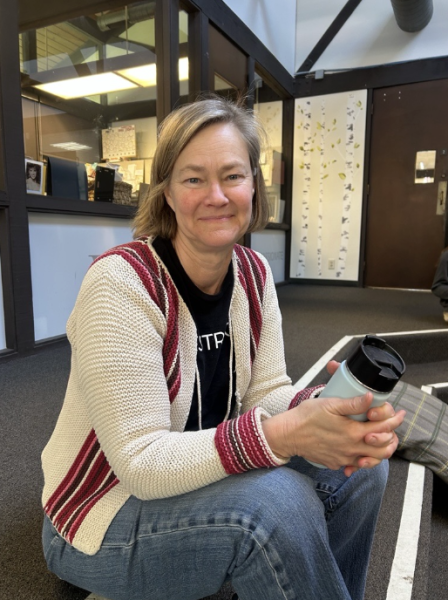
Because the National Guard was stationed in the same zone as her home, they could not return. When the National Guard eventually left, it was still too dangerous to move back into her home due to the ash. She and her family spent four months in an apartment, where life took on a different routine. She described the feeling of unsettledness, but measured it against others whose homes were lost entirely.
Like many, returning to school was a bittersweet moment—one of connection and community but also grief and loss. She expressed her gratitude for being able to come back to school and momentarily forget about the background noise of the fires. To be with her community in a time that so desperately needed everyone to band together. “I have to say that a lot of times, when there’s something difficult going on in your regular world, work, or school, this instance can be a kind of nice place to forget about that,” said Ms. Irish. “And to move on.”
Accepting and Appreciating Help
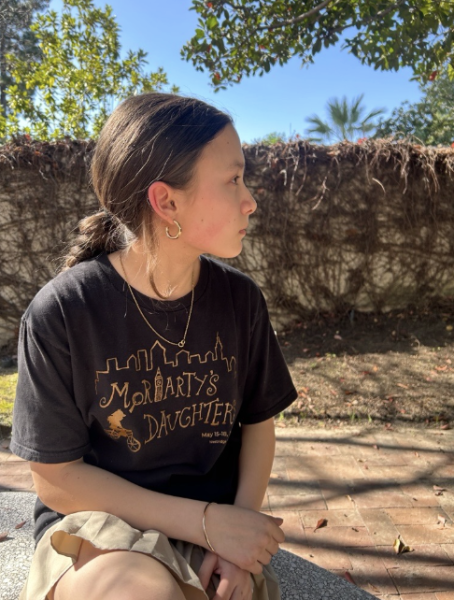
As the flames of the Palisades fire neared her home. Eventually, Sophia G. and her family evacuated to a friend’s house. Watching the news, they discovered that another one of their friends had to evacuate. Although she was scared by the severity of the fires, Sophia took the liberty of inviting her to dinner. “I felt very sorry for them, and I reached out to one of them, asking if they were okay, and if they wanted to come over for dinner,” she said. Returning to school, she noticed how much everything had changed. “It seemed really different because everyone had been really affected. But I could tell everyone was trying to support each other.” Sophia also valued the school’s offering of mental health resources and the opportunity to talk about how she had been affected, which she took advantage of. Their support helped her process the immense stress and emotional impact of the fires.
Fast Acting Service and Support
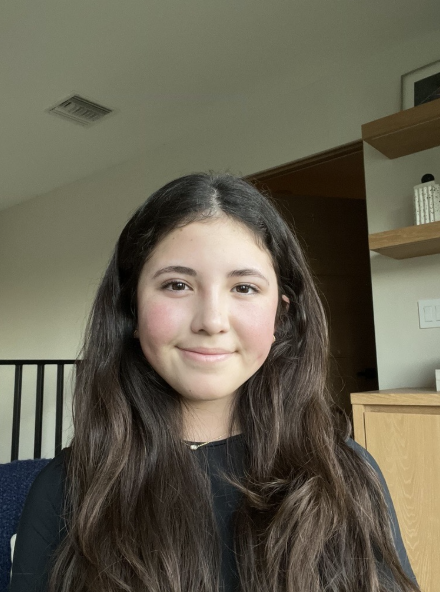
While Sofia and her family didn’t evacuate, they quickly spearheaded relief efforts by organizing several community outreach events inside and outside of Westridge. The first event was hosted for three days in the garage of the building that Sofia’s parents share for their separate law firms. People could come and take whatever they needed for free, whether it be clothes or food. She and her family created care packages with toiletries, and her mother organized a drive-through at Westridge’s carline with more essential supplies. Sofia greatly appreciates her mother’s example of service and thanks others who also contributed to relief efforts. To those who helped their community during that time or are actively helping today, Sofia says, “Keep on doing what you’re doing. Just know that people are really grateful that you’re helping them and your community. And, yeah, the world needs more people like you.”
The Process of Healing
Even though surrounding neighbors had lost power, Ms. Tami Millard’s home had not. A neighbor had alerted her to come up with an evacuation plan. When Ms. Millard’s daughter, home for the holidays, peered through the back door and saw the fiery haze over the foothills, they sprang into action. The next 45 minutes would be critical to gather everything they needed and leave. She described it as being in a video game, with ash and sparks flying and constant roadblocks at every turn.
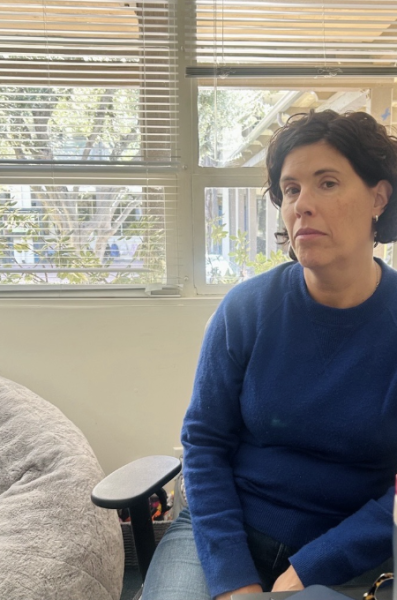
When Ms. Millard returned to school, she felt very supported by all of the major pillars in her life, including Westridge and her faith community. “It’s never going to be okay that it happened, but I have been figuring out a way to be okay,” she said. “And to take the time to honor and feel the losses when they come, but also to be willing to hold the promise of joy, and connection, and all the good things, which also sit in the same room as grieving and feeling, you know, harder feelings about what’s happened.”
Ms. Millard also acknowledged that making sense of loss or a tragedy is a process, one that can take years. She predicted that her approach would most likely change or grow in the future. But for now, while the wounds are still fresh, she finds healing in offering support for others. “Like, life still holds all the beautiful things, too, along with the really hard things. And so one of the ways to make meaning out of it is to get outside of myself and do things for other people,” she said.