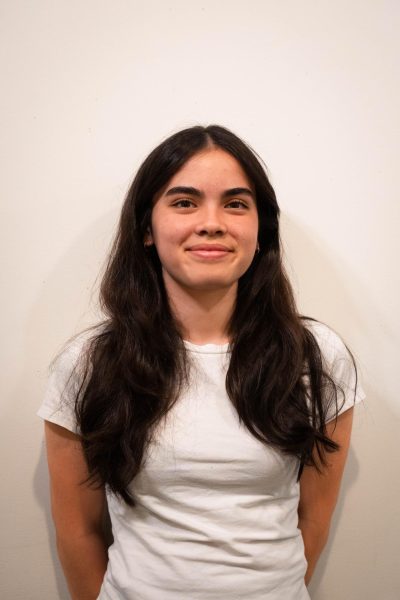
















![Dr. Zanita Kelly, Director of Lower and Middle School, pictured above, and the rest of Westridge Administration were instrumental to providing Westridge faculty and staff the support they needed after the Eaton fire. "[Teachers] are part of the community," said Dr. Kelly. "Just like our families and students."](https://westridgespyglass.org/wp-content/uploads/2025/03/dr.-kellyyy-1-e1748143600809.png)
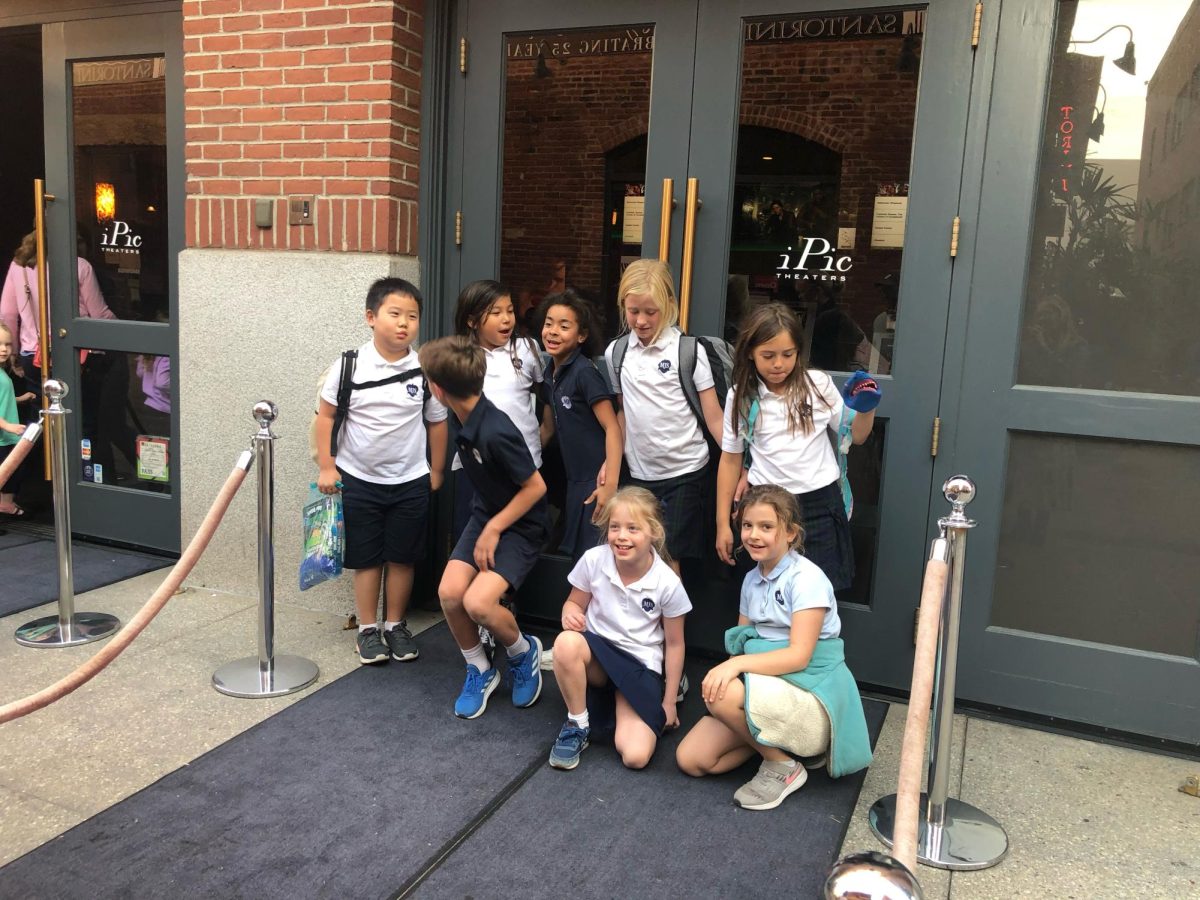
![Lacrosse had an incredible season, making it to the semifinals. Jeff Searock, the father of player Sophie S. '28 has gone to most games and said, "[The season has] been great. Great coaching, great players, kids have great attitude. You can't ask for much more."](https://westridgespyglass.org/wp-content/uploads/2026/05/IMG_3652-1200x900.jpeg)



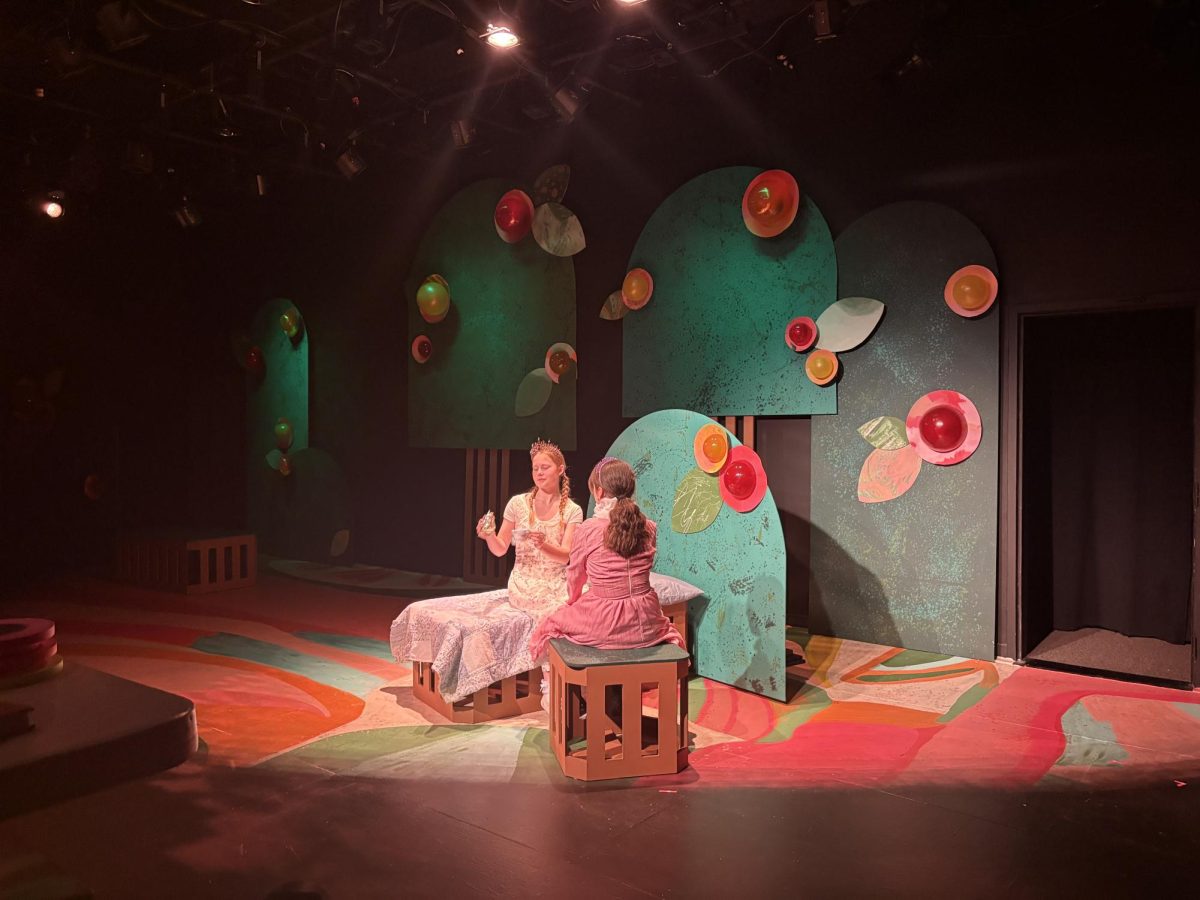

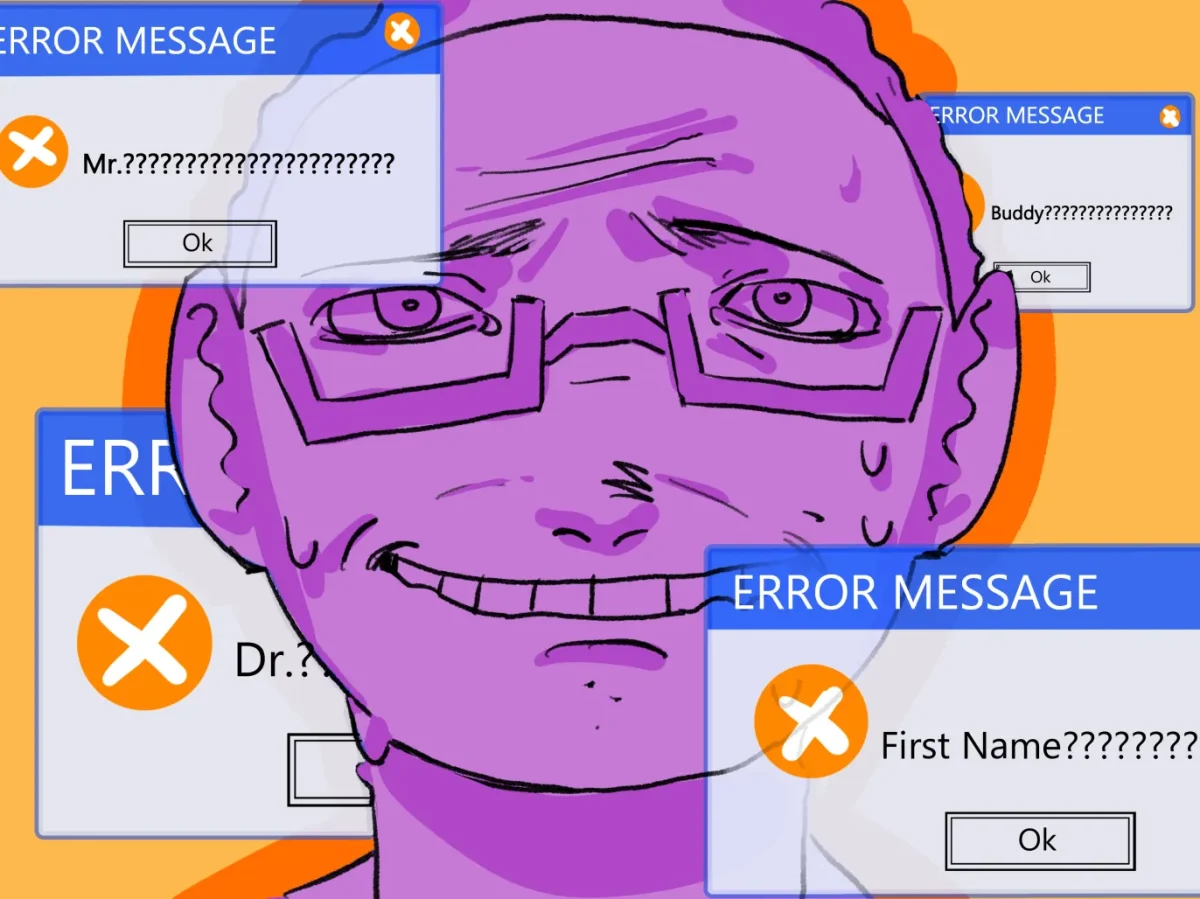


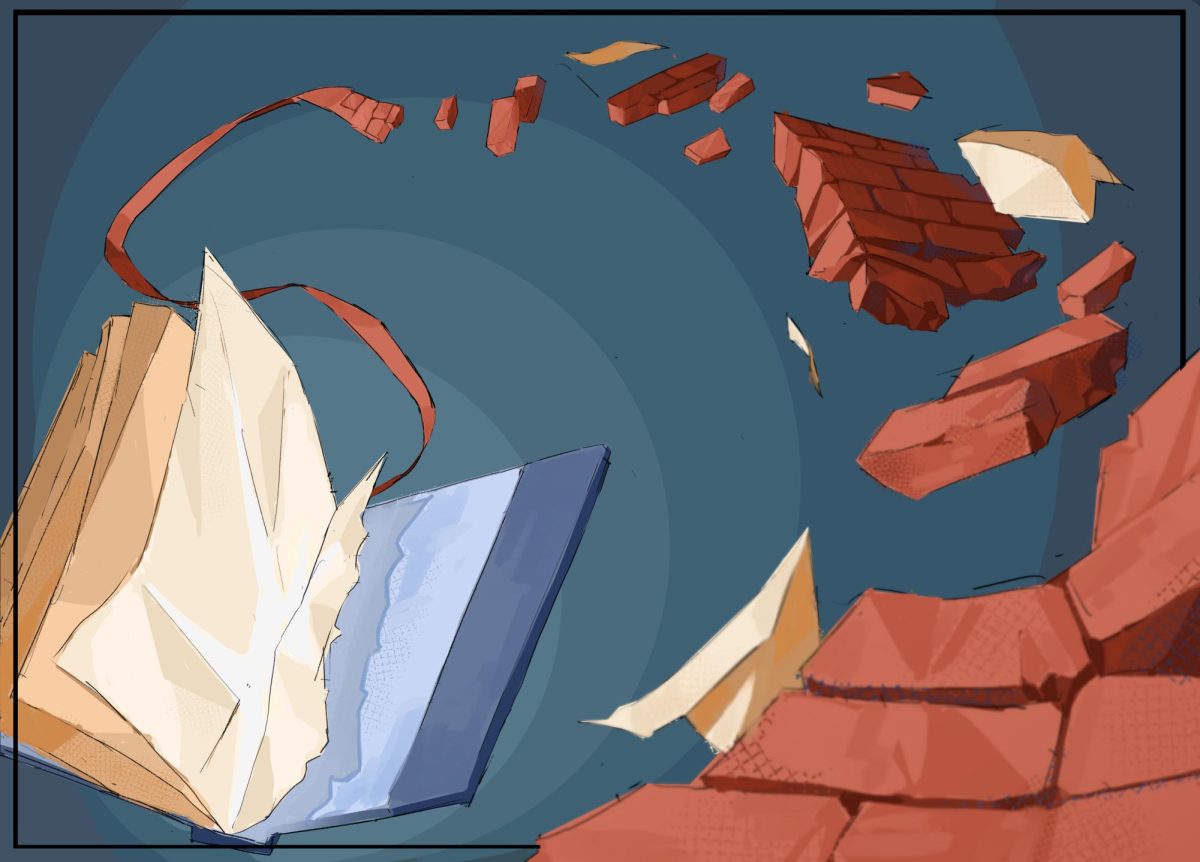
The Spyglass staff sprawls across the floor of RHB 64 as our advisor, Mrs. Masami Hansen, stands before the newsroom, explaining the importance of the First Amendment, as she does at the beginning of every year. To returning staffers, the lesson on the First Amendment rights may seem trivial—just another Spyglass tradition. However, understanding that the U.S. Constitution enshrines the right to a free press is a foundational aspect of everything we do at Spyglass.
The U.S. Constitution’s First Amendment protects five freedoms: freedom of speech, religion, assembly, petition, and the press. The First Amendment ensures that people within the United States will not be punished by the government for expressing themselves freely. Freedom of the press specifically protects the right of the media to freely publish news, opinions, and ideas without the threat of government censorship.
Press freedom is an important privilege and right that is worth fighting for and protecting. According to a report from the International Federation of Journalists in 2020, 2,658 journalists had been killed worldwide since 1990. Many of these deaths were targeted attacks aimed at silencing the journalists’ reporting.
Silencing, restricting, and targeting news outlets as well as journalists themselves isn’t new, but recent efforts by the Trump administration threaten press freedom. On Wednesday, October 15, journalists exited the Pentagon and turned in their press badges after Defense Secretary Pete Hegseth announced new rules limiting journalists’ access to the Pentagon and to gathering information that had not been pre-authorized. Many reporters and news outlets viewed this attempt at controlling the media as an attack on freedom of the press.
Freedom of the press extends to publications of all kinds, including many school publications. On October 14, Indiana University’s student newspaper’s advisor was fired, and the school banned the printing of news stories in the printed versions of the paper. On October 30, administrators lifted the ban, but this event has nonetheless raised concerns about censorship and risks of school newspaper shutdowns.
Student newspapers at independent schools have historically occupied a gray area when it comes to press freedom. However, recent legislation known as “Leonard Law” in California states that students in private schools should not be punished for expression that would be protected by the First Amendment if made off campus.
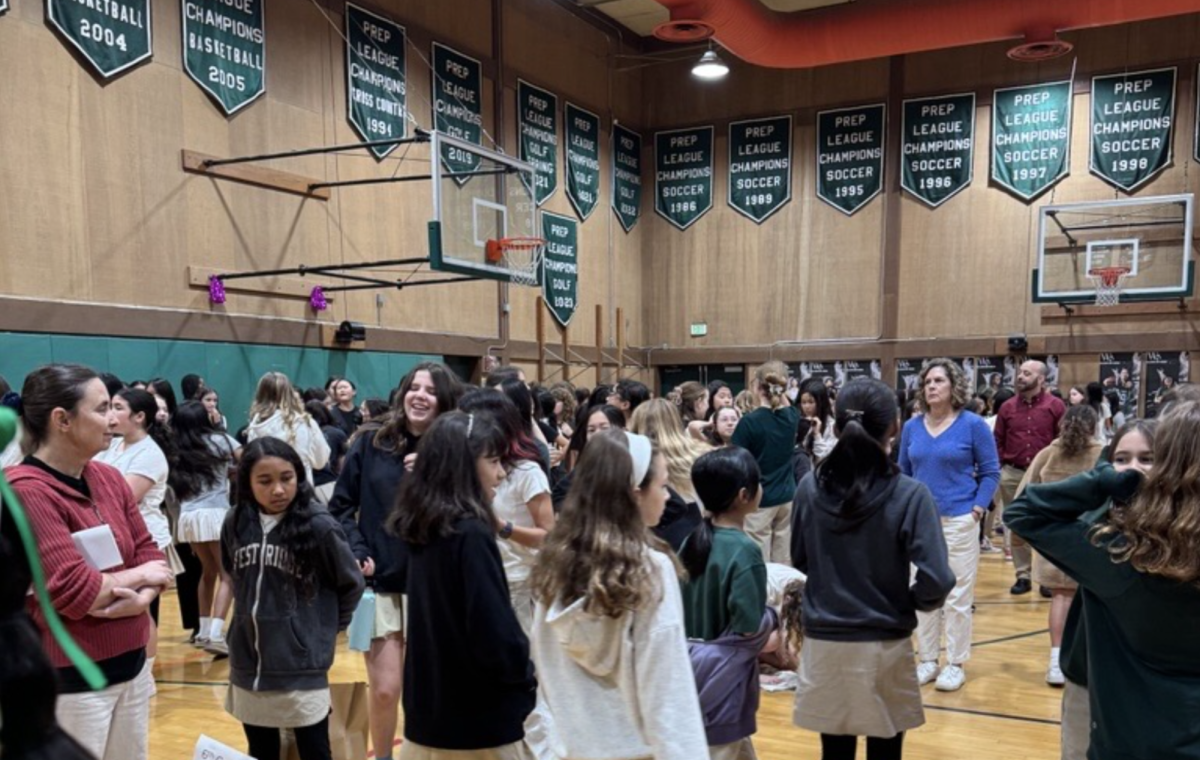
At Westridge, the administration recognizes Spyglass as an educational opportunity for students to study and practice ethical journalism and develop civic engagement. Both Spyglass and the Westridge administration respect each other as necessary aspects of the school community, but as the student-run newspaper, we recognize that we have a specific role to play.
Over the past few years, Spyglass has covered a variety of stories that raise questions and concerns about program and student experience. This edition, Managing Editor Rebecca L. ’27 asked difficult questions while investigating Westridge’s varsity volleyball team’s match against Jurupa Valley High School.
Two years ago, past Editor-in-Chief Ella B. ’25 wrote an opinion piece voicing frustrations regarding the junior discovery week trip options. This year, the junior discovery week options were met with much more excitement and seemed more equitable. Three years ago, past Website Manager Reed D. ’25 wrote about the physical education requirements, and now, morning P.E. is offered for Upper School students. Last year, the Editorial Board published an editorial regarding the lack of coherent leadership from administration following the Eaton Fire, which prompted a positive conversation with administrators.
The work we do in our newsroom proves again and again to make a difference in our community. Spyglass informs and amplifies student voices, and when done well, which is always our aim, it can prompt change. This change is what makes freedom of the press necessary—and is also the reason why the press is often censored.
The Society of Professional Journalists Code of Ethics has four main cores: seek truth and report it, minimize harm, act independently, and be accountable and transparent. While threats to our five freedoms become more prevalent, Spyglass commits to report the truth through exercising our First Amendment rights.
Every time Spyglass reports a story or publishes an editorial, we exercise our press freedom as Westridge’s student newspaper. Spyglass ethically covers difficult topics specific to our community and educates others on the importance of press freedom through events like Student Press Freedom Day and speaking at the most recent town meeting, which’s topic was freedom of speech.
The work journalists do to keep the people informed can be as dangerous as it is necessary. While being a journalist may never be the most secure job in the world, upholding freedom of the press is integral in fostering a society where people in power can be held accountable and truth is valued above all else.