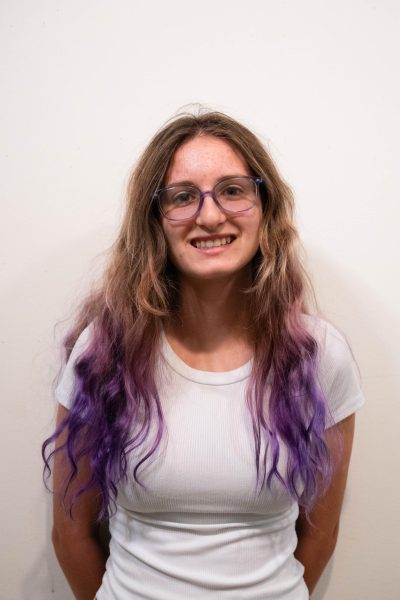











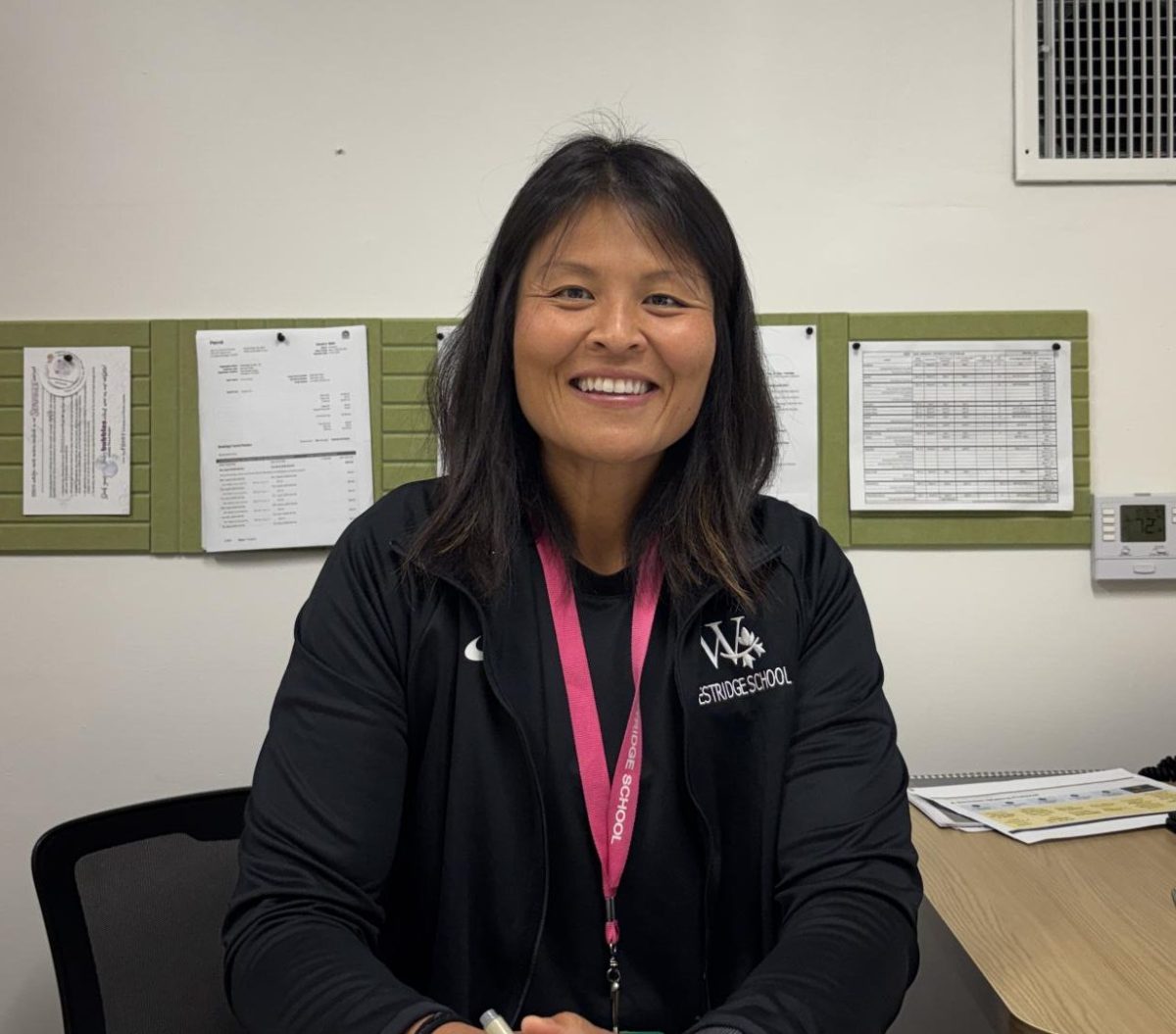
![Dr. Zanita Kelly, Director of Lower and Middle School, pictured above, and the rest of Westridge Administration were instrumental to providing Westridge faculty and staff the support they needed after the Eaton fire. "[Teachers] are part of the community," said Dr. Kelly. "Just like our families and students."](https://westridgespyglass.org/wp-content/uploads/2025/03/dr.-kellyyy-1-e1748143600809.png)
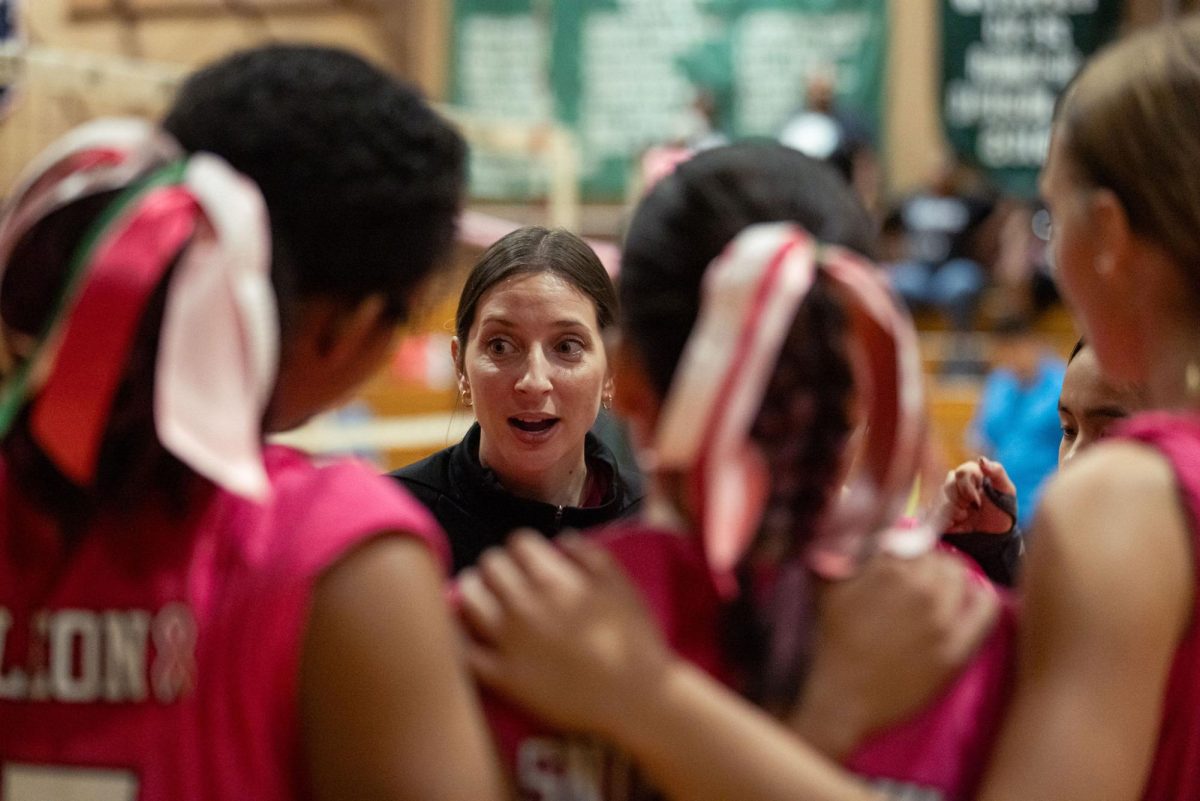
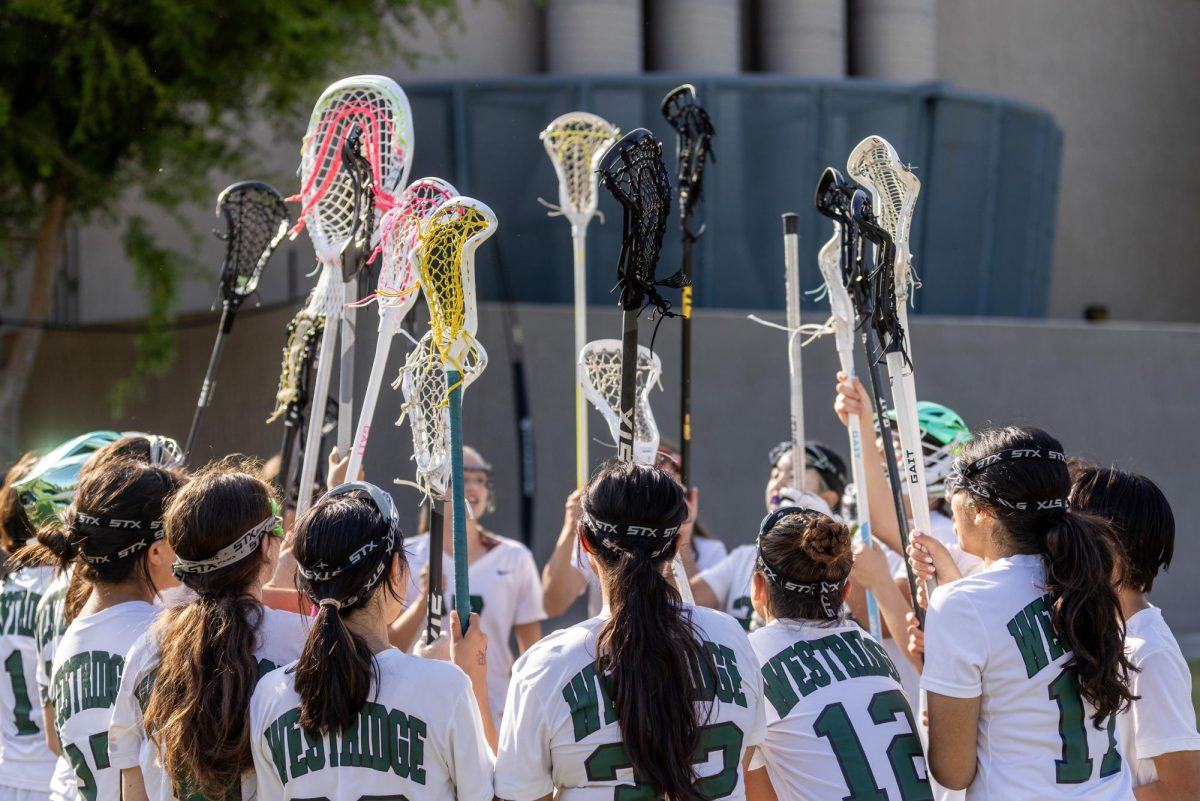
![Lacrosse had an incredible season, making it to the semifinals. Jeff Searock, the father of player Sophie S. '28 has gone to most games and said, "[The season has] been great. Great coaching, great players, kids have great attitude. You can't ask for much more."](https://westridgespyglass.org/wp-content/uploads/2026/05/IMG_3652-1200x900.jpeg)






The room was silent. Not the rustling pause that follows a round of applause as a speaker takes their place, but a stillness that felt intentional. A deeper, heavier quiet gathered in the air, sharpened by collective attention. Then, Gabriella Karin stepped forward—small in stature, steady in presence, and unmistakably strong. At 94, she surveyed the rows of seventh graders, parents, and administration, and began to speak.
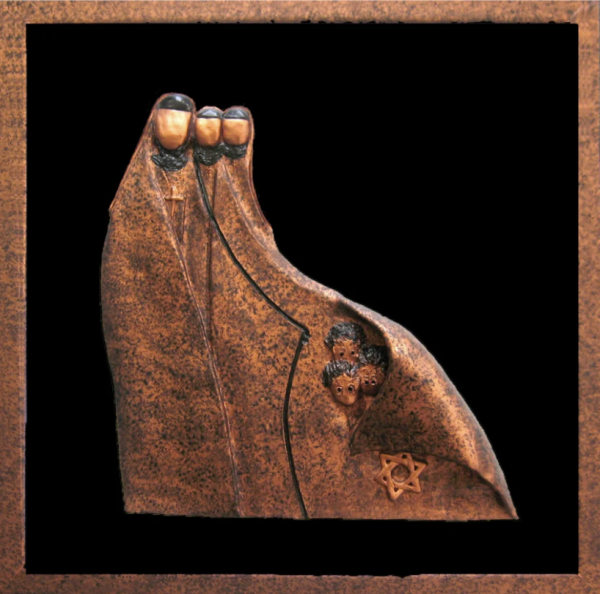
Her voice was calm and deliberate. As a young Jewish girl in Bratislava, Czechoslovakia, Ms. Karin survived the Holocaust by living under a false identity. At first, she was hidden in a convent, tucked among the other children, and later she and her family spent nine months in the apartment of Karol Blanar, a courageous lawyer who risked his life to shelter eight Jews in his small home, directly across from the Gestapo. The apartment building was marked with a “No Jews Allowed” sign, so the police never thought to search it. For Ms. Karin, the long months in a confined space, the way every pair of footsteps felt like a threat, and silence became both a shield and a burden—all until Russian troops liberated Bratislava and she and her family were finally free.
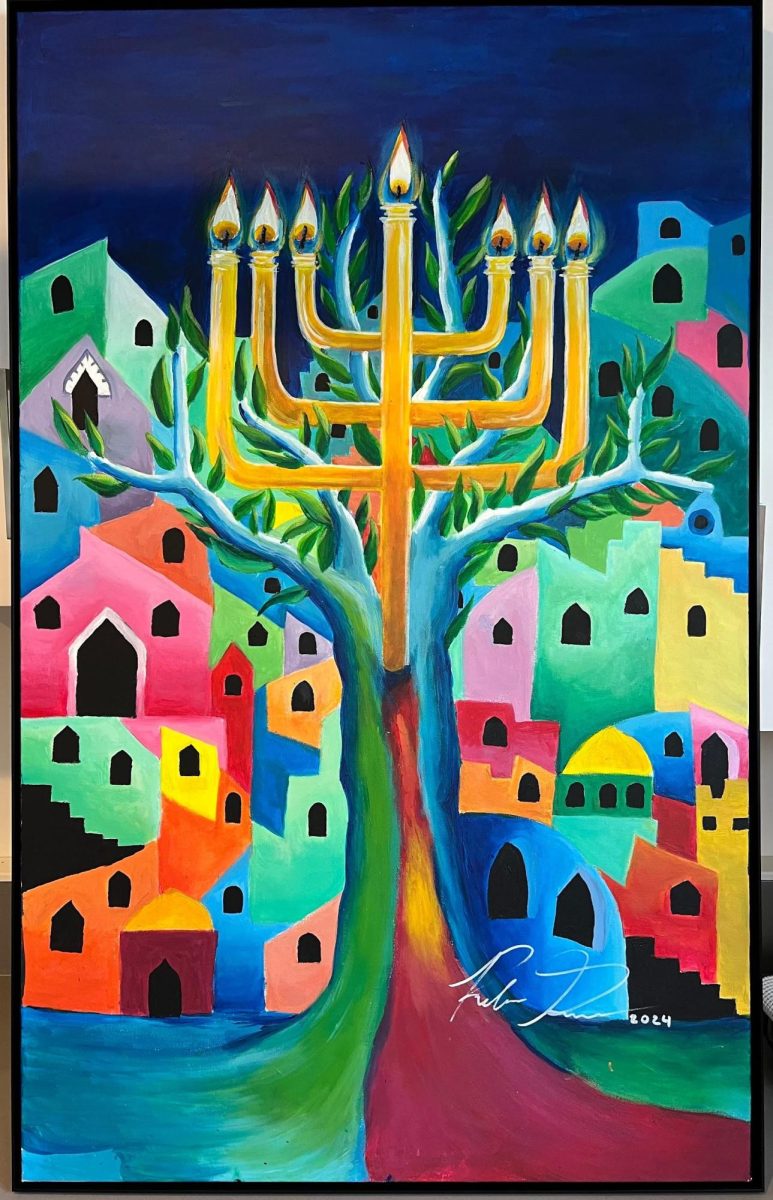
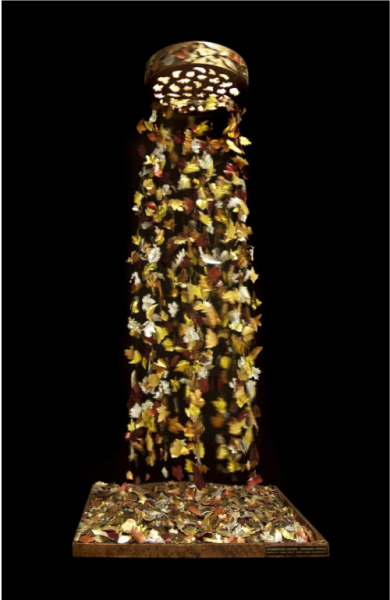
However, as Ms. Karin brought her story toward its end, her tone didn’t harden. Instead it carried a quiet warmth. She didn’t speak with bitterness. She spoke from the weight of memory and the responsibility of survival. She talked about courage, about the moral choice to protect others, and about finding ways to rebuild after unimaginable loss. She explained how she turned her experiences into art—sculptures that give shape to memories too heavy for words. Her message didn’t diminish the trauma she endured; it honored it by insisting that remembering is an act of humanity, not despair.
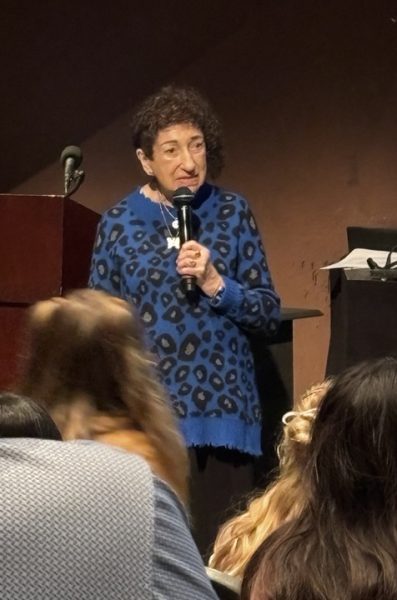
Hearing her speak in person felt different from reading a textbook or watching a documentary. Her presence carried a gravity that no recording could replicate. When Gabriella described hiding in silence or the moment of her liberation, her voice remained steady, but her eyes told the fuller story—about the cost of surviving, and the courage it takes to keep telling the truth. She wasn’t just reporting history—she was giving it to us, entrusting her story to a generation that will one day be its keeper.
As I listened, I realized that this was more than a history lesson. It was a passing of responsibility. Our generation is the last to hear directly from Holocaust survivors. Soon these voices will fade from living memory. And when that happens, it will be up to us to ensure the stories remain alive—not just accurate, but human.
That thought stayed with me long after Ms. Karin finished speaking. I’ve grown up hearing fragments of stories from my own family—my grandfather and great-uncle, both Holocaust survivors, who shared their memories only in small, careful pieces. Their stories always felt fragile, as if spoken from a distance shaped by time and pain. But hearing Ms. Karin, watching her expression shift as she revisited moments from her childhood, and listening to the quiet tremor beneath her words, made the history I inherited feel suddenly immediate. It wasn’t that my family’s stories lacked a face, but rather that I hadn’t truly felt the presence of history settling into a room.
As time moves forward, fewer and fewer survivors remain to share their stories themselves. Soon, the Holocaust will pass entirely from living memory into recorded history. Future generations will rely on videos, books, and museums, all tools that explain what happened, but kids won’t be able to feel what it’s like to sit in the same room as someone who lived through it.
There is something irreplaceable about that human connection. Listening to Ms. Karin wasn’t just an educational experience. It was emotional. She reminded us that history is not abstract, that behind every statistic is a person—a life interrupted, a family torn apart, a world rebuilt.
Ms. Karin’s message ultimately was not about despair, but about responsibility. She told us that even in the darkest moments, individuals can choose compassion. That survival is not the end of a story, but the beginning of a duty to share. Her story demands that we remember not out of guilt, but out of love, gratitude, and duty.
Walking out of PAC that afternoon, I felt heavy with the enormity of what she had lived through, yet inspired by her courage to relive those memories, to share them again and again for the sake of others. We are witnesses to her testimony now, the next link in a chain that must not be broken.
We may be the last generation to sit in a room with someone like Gabriella Karin. But if we listen carefully, carry her story forward, and continue to tell it, then her voice, and the truth it holds, will never truly fade.