


























![Dr. Zanita Kelly, Director of Lower and Middle School, pictured above, and the rest of Westridge Administration were instrumental to providing Westridge faculty and staff the support they needed after the Eaton fire. "[Teachers] are part of the community," said Dr. Kelly. "Just like our families and students."](https://westridgespyglass.org/wp-content/uploads/2025/03/dr.-kellyyy-1-e1748143600809.png)

![Lacrosse had an incredible season, making it to the semifinals. Jeff Searock, the father of player Sophie S. '28 has gone to most games and said, "[The season has] been great. Great coaching, great players, kids have great attitude. You can't ask for much more."](https://westridgespyglass.org/wp-content/uploads/2026/05/IMG_3652-1200x900.jpeg)
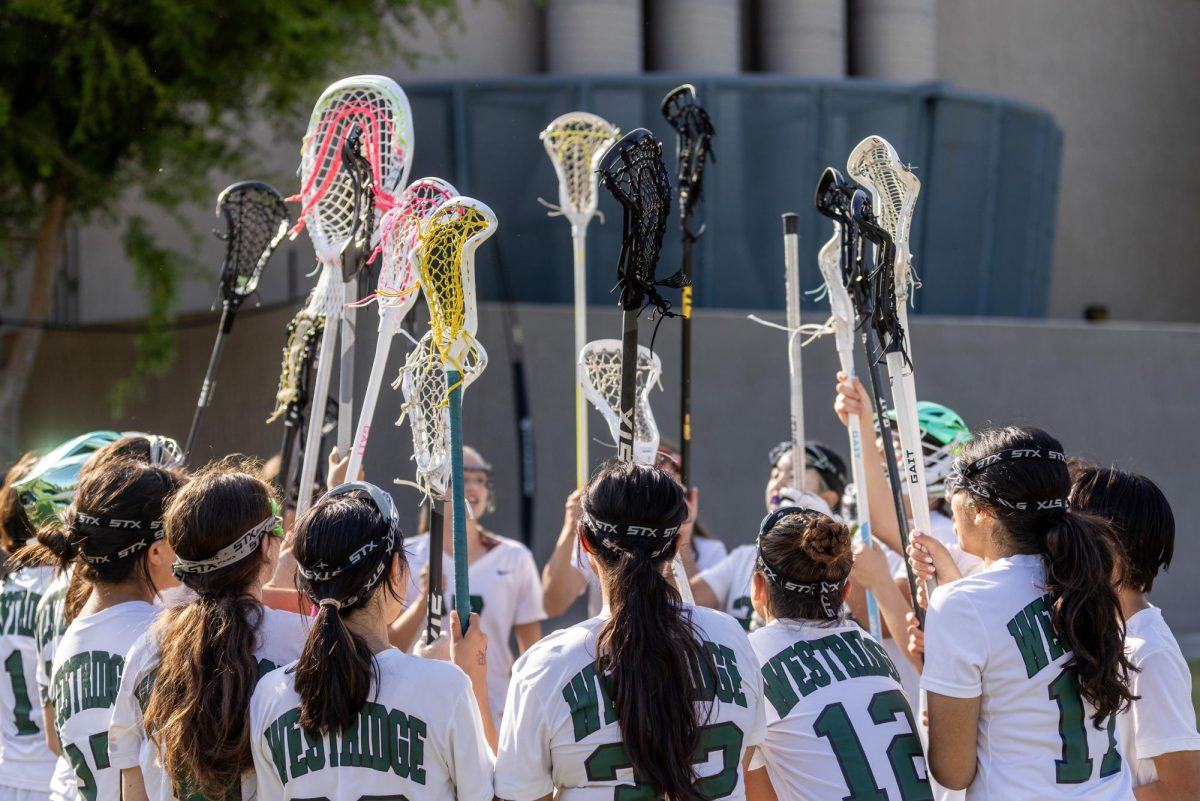
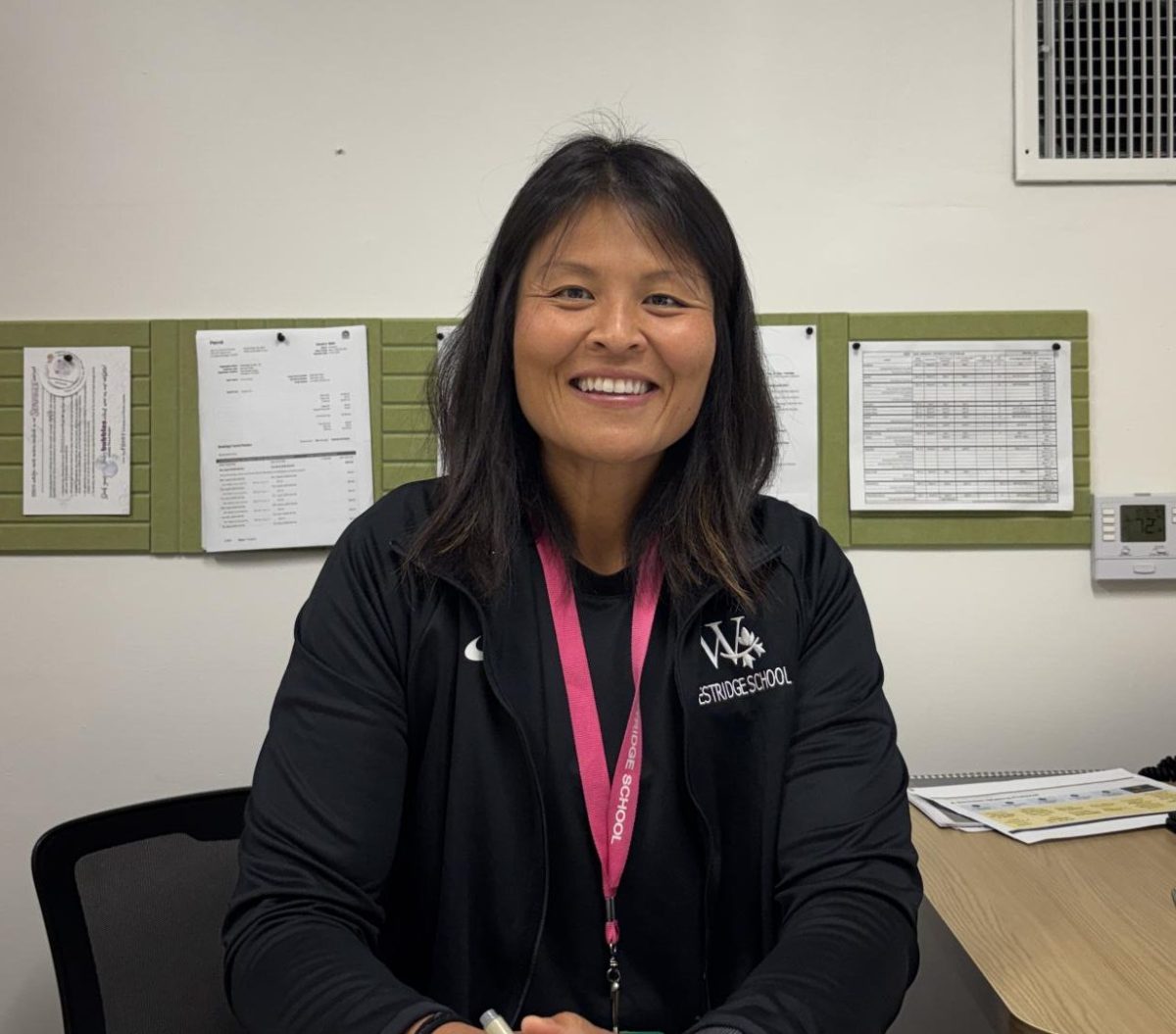





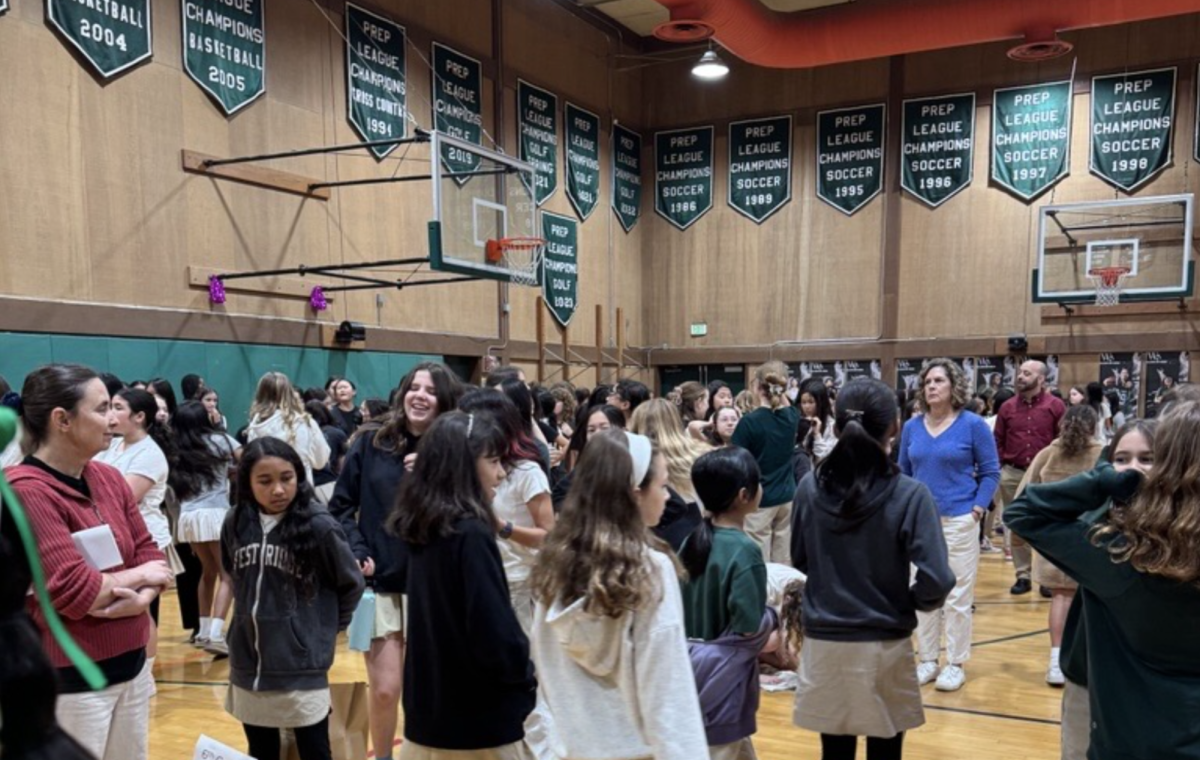





In the Tiger’s den, myriad athletes reside. 65 percent of Westridge students partake in competitive sports. Countless memories have been made amongst tightly bonded teams. Even in recent 90-something degree heat, committed Tigers practice their art on our very own Frank Field for hours on end. However, though Westridge offers 13 athletics programs year-round for the Upper School, some students opt out of this culture, finding solace in outside communities and teams, participating in sports left untouched by Westridge programming.
Separate from athletes that play sports on club teams and Westridge teams—which is a requirement to athletes looking to play club sports and receive PE credit—these athletes solely play outside of Westridge, as the sports do not have counterpart Westridge teams. Some of the sports outside of Westridge’s athletic department include rock climbing, sailing, shooting, and racquet sports besides tennis.
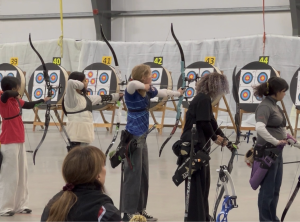
Catherine P. ’28, who practices archery for 15 hours a week with her team, feels withdrawn from Westridge’s abundant athletic community. “It feels a little disconnecting, because I’m doing it for credit. I’m not a Westridge athlete… I wish there was a way to connect a bit more,” she said. Still, Catherine feels no animosity towards her sport for spurring this gap; “my favorite job,” she called archery, joking about how much time she spends on the range weekly.
Though many off-campus athletes have found community in their sport, the gap that Catherine and others feel is not currently being amended. “We don’t have anything that’s community-based for the athletes who are off campus, and thinking of ways to do that would be so great and getting them involved,” said Physical Education Department Chair Coach Allison Clark. “[It] would be such a cool way to make them feel supported and shouted out because we have so many fantastic athletes that are doing stuff outside of school.”
Though Westridge athletes spend about 7.5 hours weekly at practice—or more if games are scheduled—outside athletes are not bound by rigid schedules hinged on facility availability. While the only requirement for outside athletes is that they commit six hours or more to their sport weekly and participate in a competitive setting, the time that outside athletes commit weekly can greatly exceed that amount.
Jasmine T. ’27, a former sailor for seven years, recently quit her sport to focus her time on other commitments. Since she didn’t believe she was going to attend college as a sailing recruit, she decided she’d “rather use this time to study for the SAT and make sure my grades are okay.”
Though she feels confident in her decision for the time being, Jasmine still finds ways to connect with the strong community she’s found sailing, even though she no longer competes on her former team. “[My friends] always text me ‘hey, if you ever want to come out sailing for this weekend or [to] this race coming up, we need an extra person. Do you want to come with us?’ And I always [say] yeah, sure,” Jasmine said.
While being an athlete outside of Westridge feels isolating to some, it is a way to make friends outside of the Westridge bubble, a typically scant opportunity.
Similarly, Olivia H. ’26 competes with a team in Olympic-style pistol shooting. Having played for five years, she has found “this sense of community and almost, I want to say, second family [with my team],” she said.
Annika L. ’27, a competitive fencer, has also found her sport as a unique way to connect with others. “I feel like the most memorable part of fencing would be, this [will] sound really cheesy, but the friends, because I’ve made a lot of friends through fencing, and they’re really, really chill and nice,” she said.
As a dedicated figure skater for more than half of her life, Ailis H. ’29 found many friends on the rink, but after suffering an injury two years ago, she found difficulty keeping the relationships she made. “Once you don’t see them anymore, it’s kind of hard to stay in contact. I mean, I guess it’s easier with social media and stuff, but it’s still not the same connection as when you see them face to face,” she said. Now back on the ice, she made the decision to come back with the intention of reconnecting with her friends in mind; “I didn’t want to lose any of my connections,” she said.
Still, playing a sport unaffiliated with Westridge has its difficulties—while Westridge games and tournaments are typically held on the weekends or after school, the same is not true for outside sports.
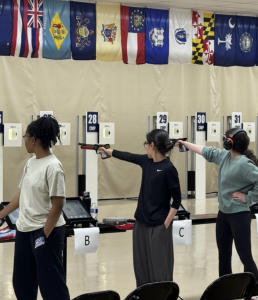
During Olivia’s athletic journey, she has typically attended three out-of-state national tournaments per year, missing a few days of school each time. Balancing these absences, she said, has “been really difficult and challenging, but my advisor has been a great support system for me, because she’s always contacted my teachers before my competitions, and also Ms. Martinez…letting [teachers] know I’ll be missing from class, but also to give me some grace when I come back.”
Catherine also described the difficulty she’s faced as a competitive archer, missing a week of school for a tournament in Florida annually. “Some teachers are better than others…It’s just kind of [a] hell-week where I have to miss the entire week of school.” Still, she said, “I love it. I love being out there, but it’s a lot of school to make up.”
Similar to Jasmine, who quit sailing earlier this year to focus more on other academic commitments, quitting outside of Westridge sports is a hot topic for many athletes.
Annika, who has fenced for six years said that she’s thought about quitting “multiple times” but still chooses to stay because of her commitment over time to the sport. “The fact that I’ve done it for so long, if I quit now, it’s like, ‘oh well,’” she said.
Still, some students joke about quitting to process frustration around the sport, knowing that their connection with their journey and team is stronger than the difficulty of playing at the moment. “I love [archery] to the point where it’s all that I think about. But when it’s frustrating,…I don’t know how to voice my frustration, so I’m gonna say that I’m quitting. But like, let’s be honest, I’m never gonna quit,” Catherine said.
Westridge Athletics Director Coach Alice Lee encouraged students to follow their passions, even if their sport is not directly connected to Westridge. “I think it’s incredible. I think anytime someone participates in something that they’re really passionate about, if it’s along the lines of sports, great!…I think that’s the beauty of Westridge, right?”
Coach Allison also agreed that further including off-campus athletes would be something on her mind as the Physical Education Department Chair; “This is such an interesting thing to think about, how there could be more community built in that way,” she said.


![“I just know every time I look into one of those sorting stations, [I] wouldn't be able to tell which one is a landfill, which one is compost and which one is recycling,” Upper School Service Coordinator and Green Guerrillas advisor Ms. Erica St. John recalled, reflecting upon Westridge’s waste sorting job.](https://westridgespyglass.org/wp-content/uploads/2026/04/FinleyNichols_Recycling-1-e1776618779363-1200x878.jpg)