















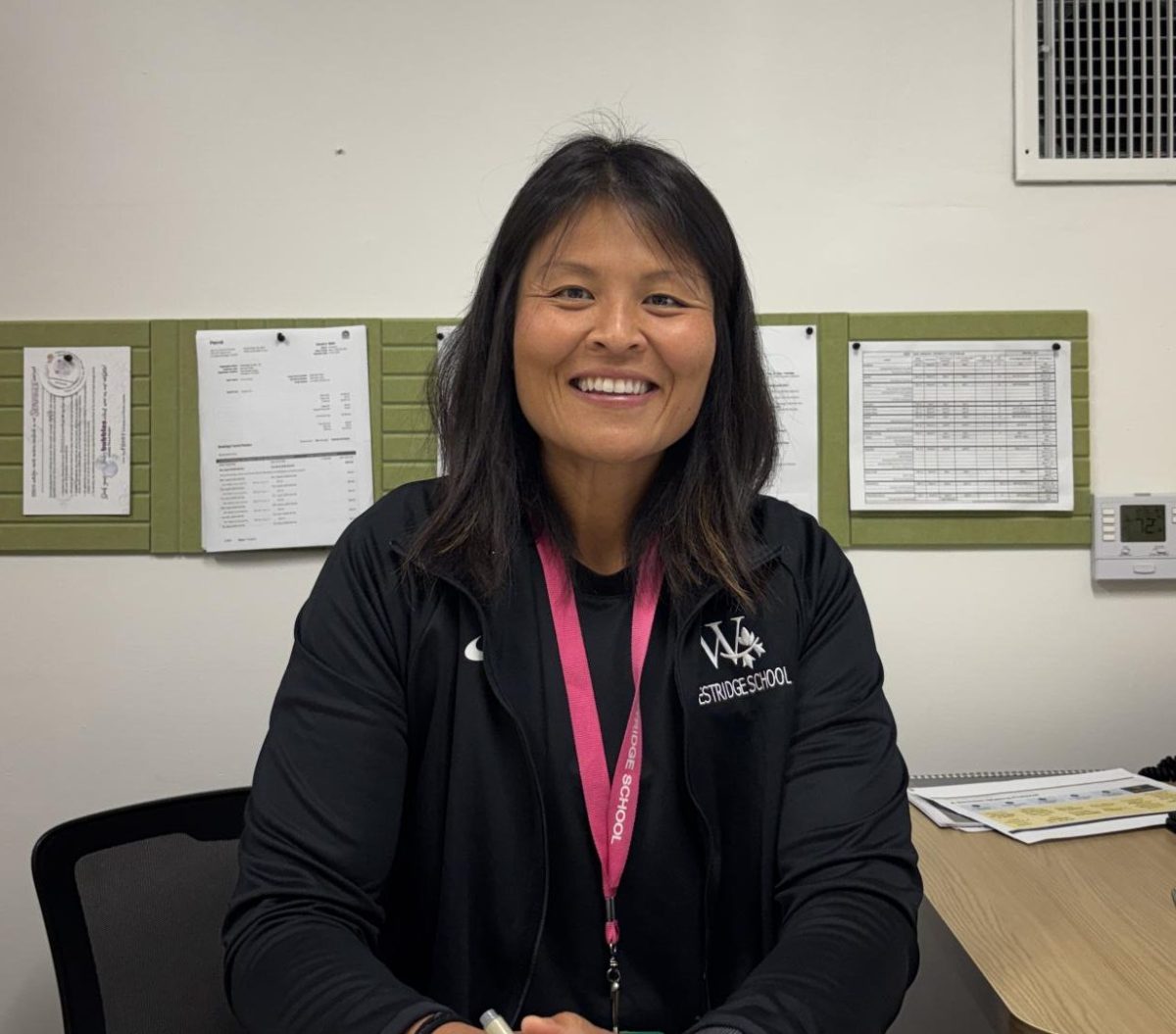
![Dr. Zanita Kelly, Director of Lower and Middle School, pictured above, and the rest of Westridge Administration were instrumental to providing Westridge faculty and staff the support they needed after the Eaton fire. "[Teachers] are part of the community," said Dr. Kelly. "Just like our families and students."](https://westridgespyglass.org/wp-content/uploads/2025/03/dr.-kellyyy-1-e1748143600809.png)
![Lacrosse had an incredible season, making it to the semifinals. Jeff Searock, the father of player Sophie S. '28 has gone to most games and said, "[The season has] been great. Great coaching, great players, kids have great attitude. You can't ask for much more."](https://westridgespyglass.org/wp-content/uploads/2026/05/IMG_3652-1200x900.jpeg)

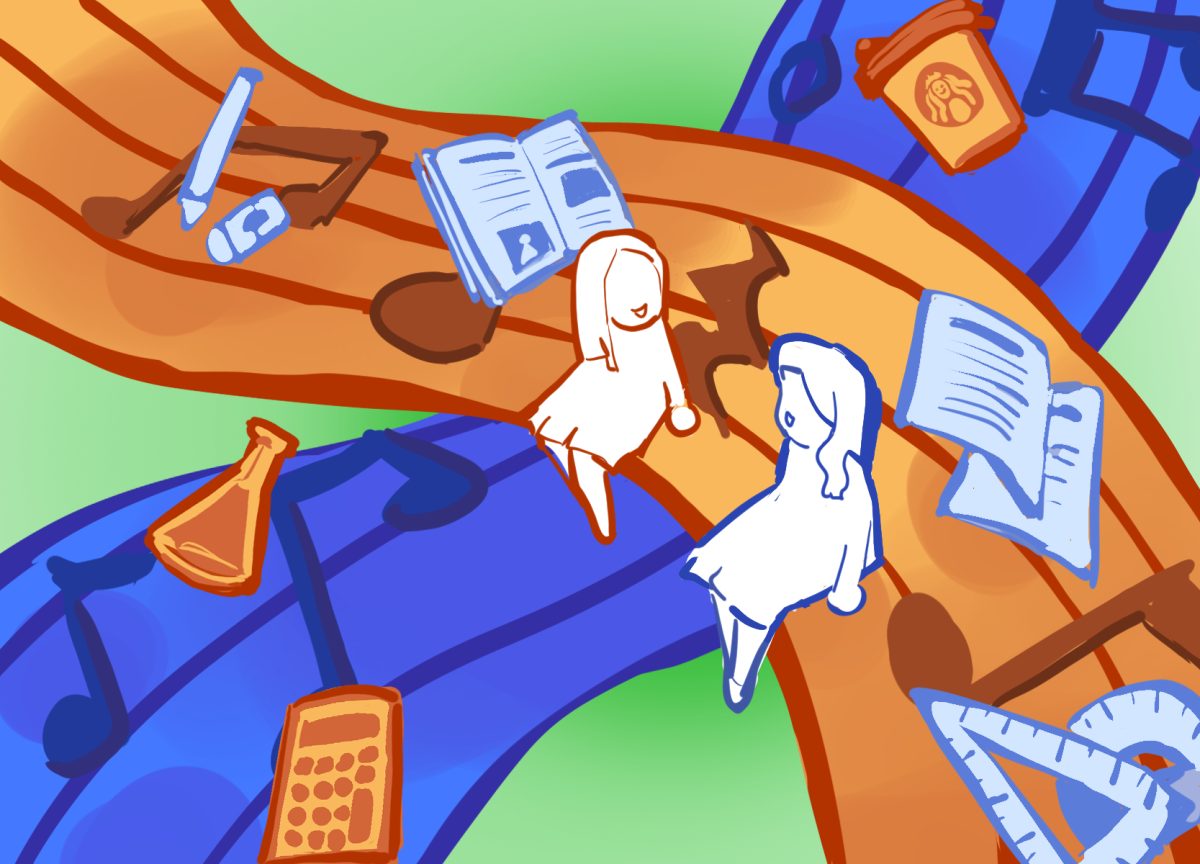







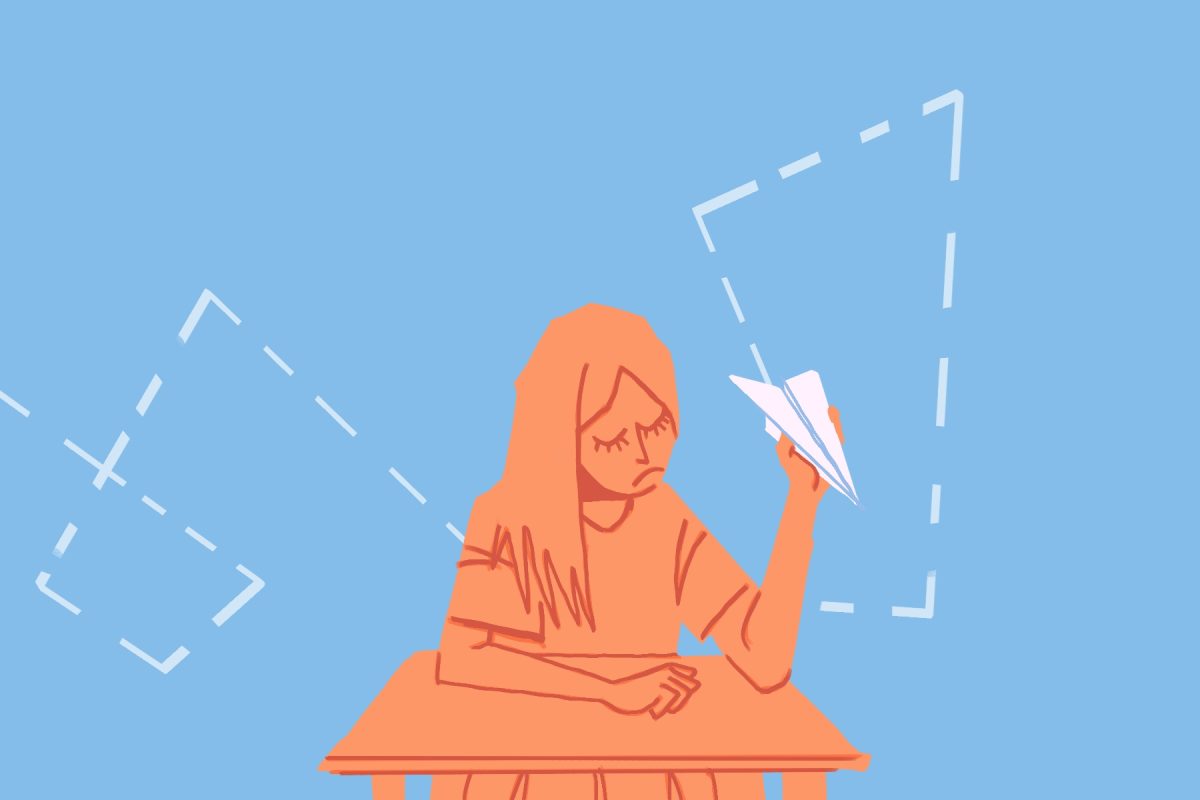
An eclectic rush of people, heavenly scents from each storefront, and snippets of conversations between strangers. Here we were in Little Tokyo, sitting on a bench, petting Benjamin Franklin. The dog. Just an hour ago, we walked up and down every street nearly two times—we were bored. In the midst of this discomfort, there was an overwhelming need to do something. Yet, we had already filled our stomachs with delicious food, so we settled down on a bench, letting our boredom consume us.
While we were playing with stickers from a restaurant we had passed by, Kristin came up with an idea: “What if we see who can give their sticker to a stranger first?” Our spontaneous game, emerging from boredom, soon turned into a compliment game. Who could compliment a stranger first? We wondered, “How could we fill the space with laughter and joy?” That is how we ended up striking up a conversation with the owners of Benjamin Franklin (again, the dog).
It was the most fun we had all night, and unlike our ramen dinner, it didn’t cost us over $16 each. The novelty of the game, our nervous excitement as we completed each self-imposed challenge, and the connections we made with strangers felt much more genuine than going on our phones, like many of the couples and families around us were doing.
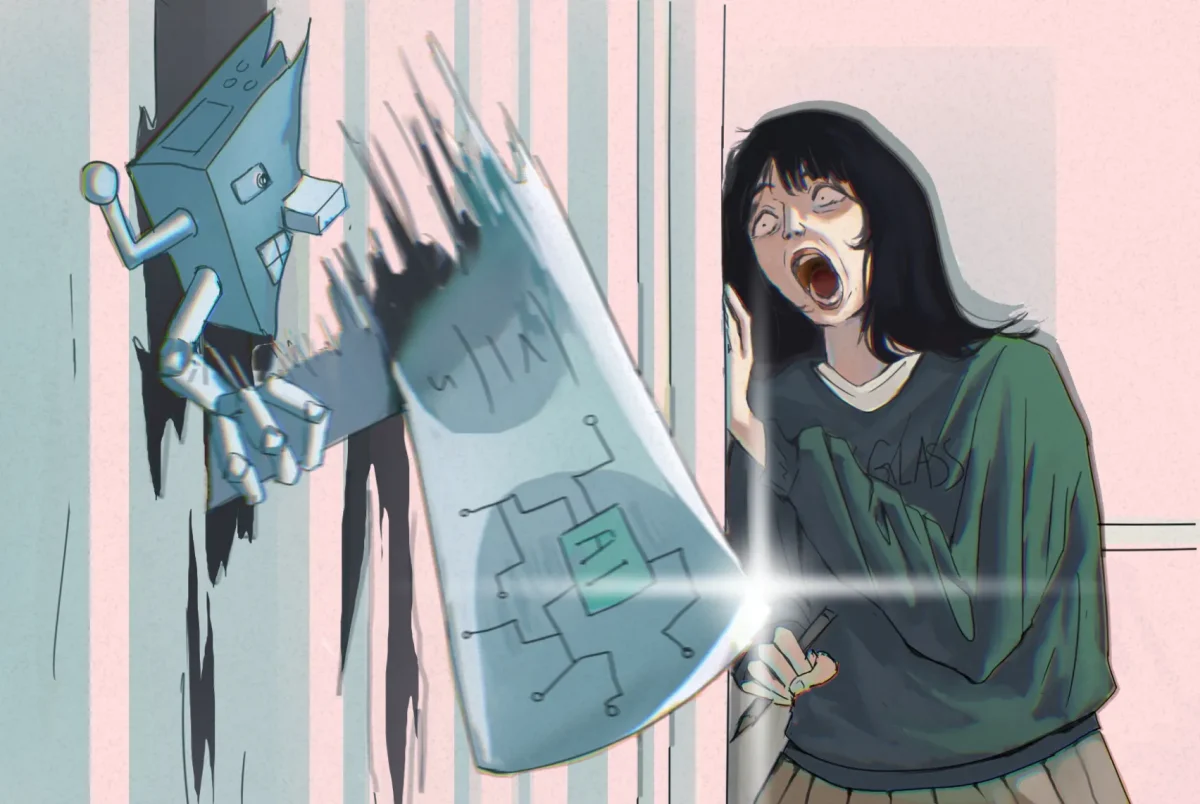
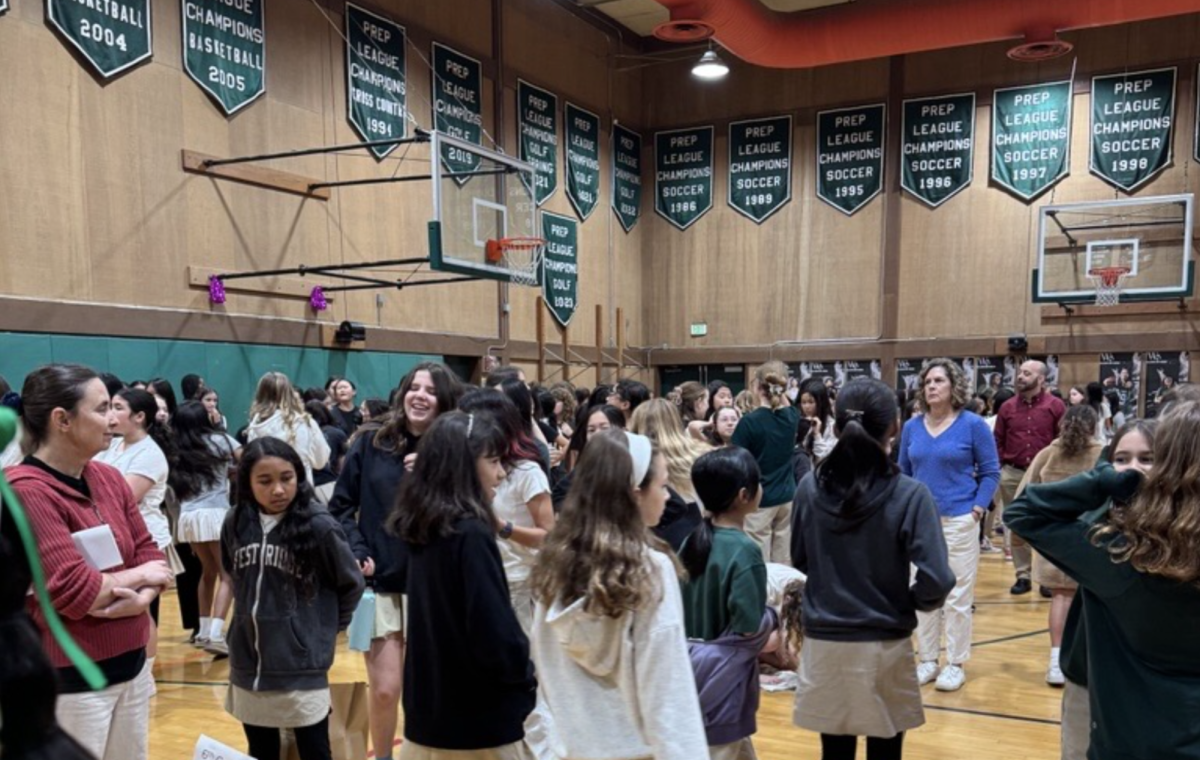
As boredom arrives in many settings and environments, tactics to avoid it take on many forms as well, such as pulling out your phone during assemblies or Town Meetings, going on Instagram during class, or doing work for other classes while ignoring your current one.
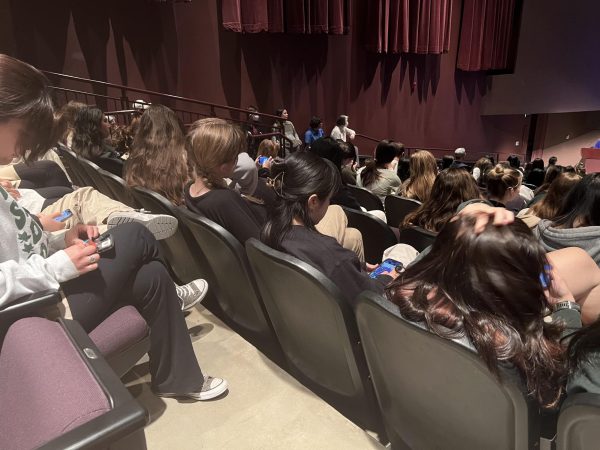
Social media apps, while ostensibly platforms for social connection, have become tools to avoid boredom and take time away from real-world interactions. Technology has reduced the barriers of physical and temporal distance, but it seems to have increased the distance from ourselves to our own present moment. According to multiple studies on attention spans, in 2004, the average human attention span on a screen was two minutes and 30 seconds. Now? It’s around 47 seconds. It’s no wonder that students are lacking the focus and desire to engage with long-form texts.
In the attention economy, where digital platforms compete to capture and monetize our ever-shrinking attention, our time is a scarce and valuable resource. Think about it: TikTok is so addictive because once you lose interest in the previous video, you can be entertained for hours by new videos with the swipe of a finger. We get bored even with our distractions. Boredom is inevitable. We can’t escape it, no matter how much we try.
Our screen time addictions point to a lack of identity. What are we searching for when we scroll? We lose our agency, searching for identity in algorithms and endlessly consuming, rather than building it through experiences and our own creativity.
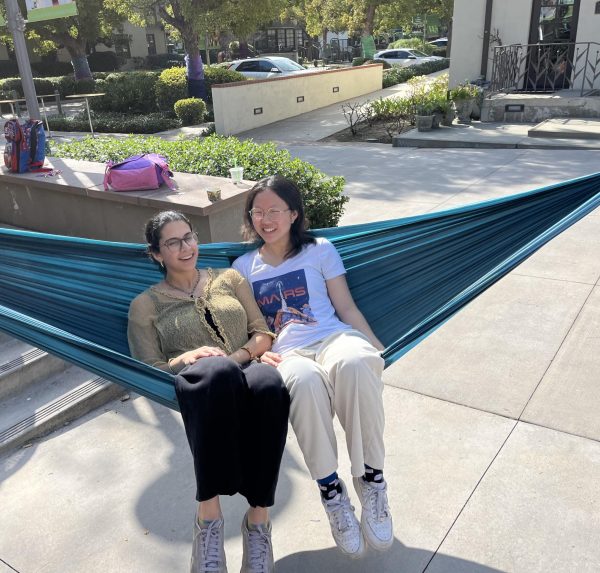
Especially as youth with ambitions, we are surrounded by people and thoughts that constantly push us to do and want more. We’ve noticed at Westridge and among ourselves that when our peers are constantly buried in activities, it seems they are achieving more, and we feel stalled by taking a break. We crave movement and busyness to distract from the discomfort of being alone with ourselves and to be “productive” like our peers. Whether it be doing homework in other classes to distract ourselves from concepts, lectures, or problems at hand, or whipping out our phones when we walk into a room early, we try to keep our minds occupied. However, with constant busyness, we are more stressed and have less time to process our lives. So, what if we need a culture shift? What if we start understanding, as a community, that boredom is necessary?
According to Calm, a mental wellness app, boredom leads to improved mental health, increased self-awareness, and enhanced creativity. Boredom has also led to some of the best inventions in history, from slinkies (a childhood obsession) to calculus (maybe not a childhood obsession, but a useful subject).
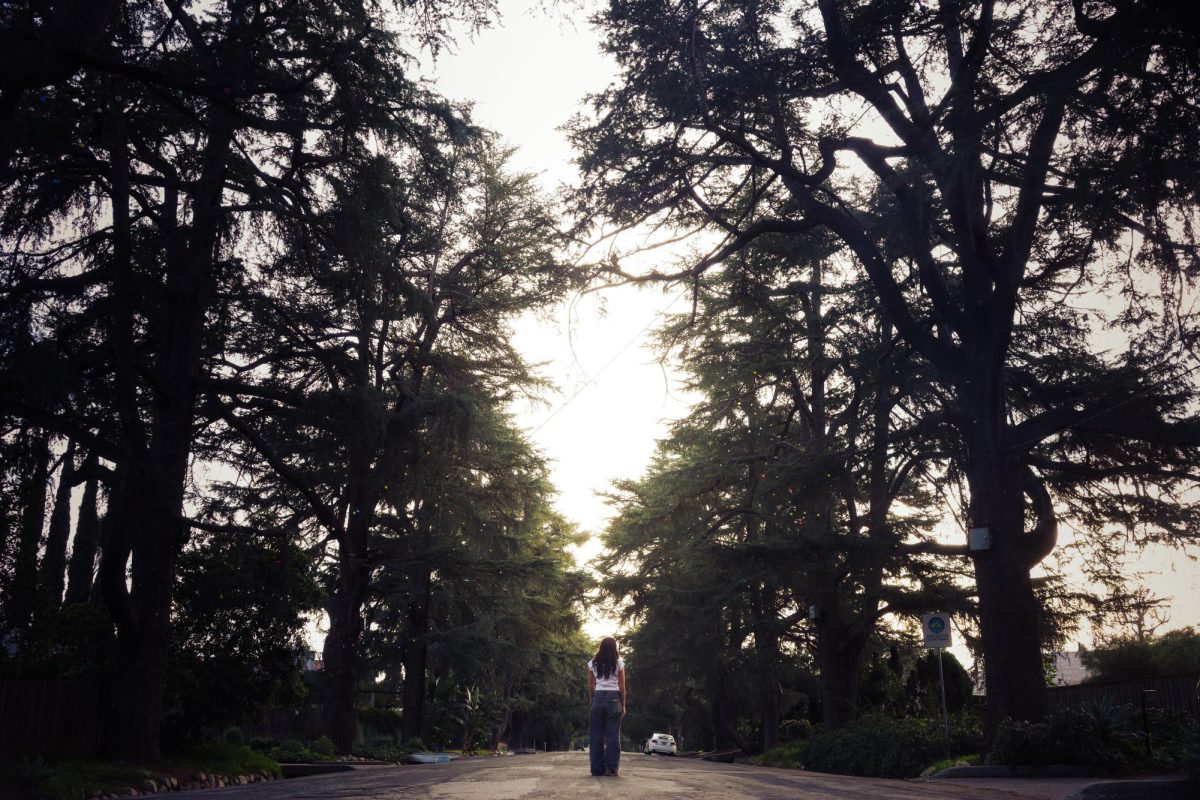
And, let’s throw in a hot take—even if it is difficult, it is mentally healthy to sit with your own thoughts! During the Eaton Fire, the three of us gathered on Kristin’s living room floor, eyes staring up at the ceiling. We felt overwhelmingly unsure of how to spend our afternoon together with the uncertainty and tension pulsing through our community. In our 20 minutes of impromptu silence, each of us explored the thoughts our minds gravitated to in the moment, including subtle nuances in our environment and large-scale ideas that the consistent noise in our world often drowns out. Our boredom also served as a break—a chance to process the tragedy in our community and confront our own anxiety. By simply being, we took a step towards ourselves, breaking free from the distractions to find meaning in our situation and thoughts.
So, the next time boredom strikes, sit through it. Who knows, you might just come up with the next best idea, or even better, get to spend a few extra moments getting to know yourself. Or maybe you, too, will meet Benjamin Franklin.




sabrina • Feb 9, 2026 at 10:02 am
WOWWWWWWWWW