






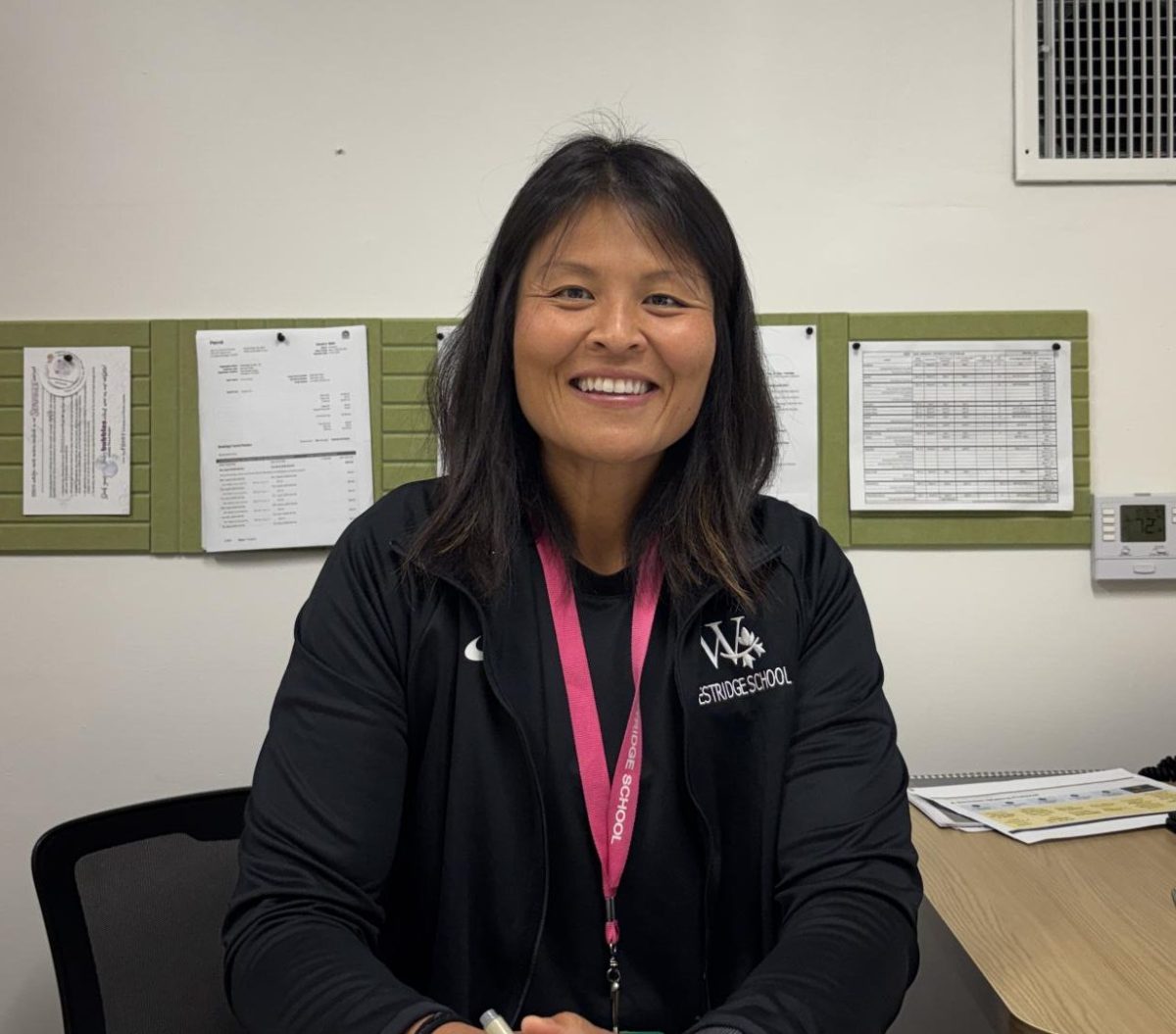
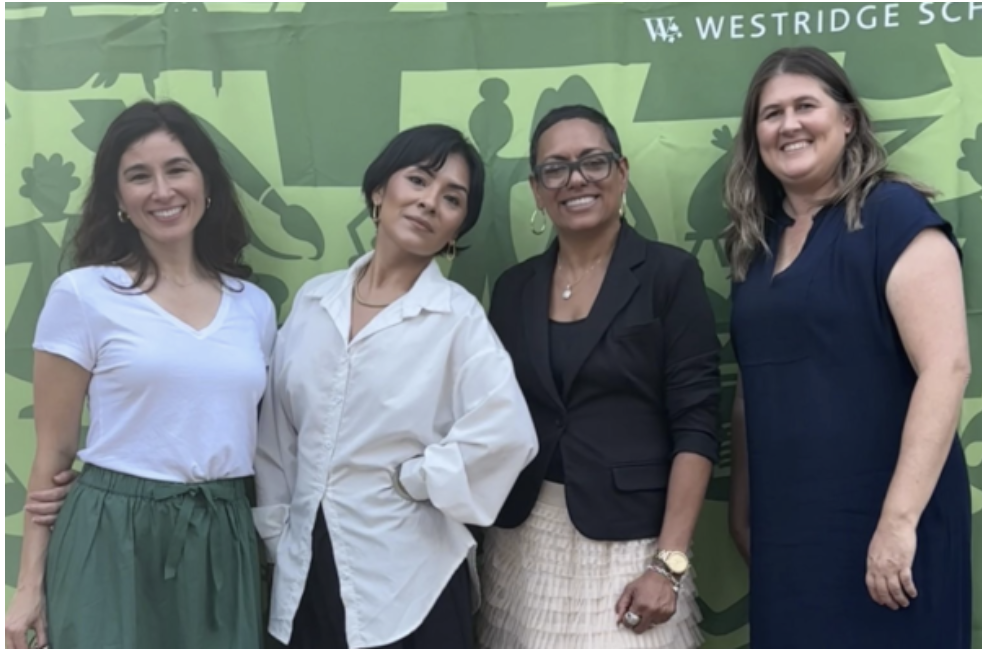
![Dr. Zanita Kelly, Director of Lower and Middle School, pictured above, and the rest of Westridge Administration were instrumental to providing Westridge faculty and staff the support they needed after the Eaton fire. "[Teachers] are part of the community," said Dr. Kelly. "Just like our families and students."](https://westridgespyglass.org/wp-content/uploads/2025/03/dr.-kellyyy-1-e1748143600809.png)
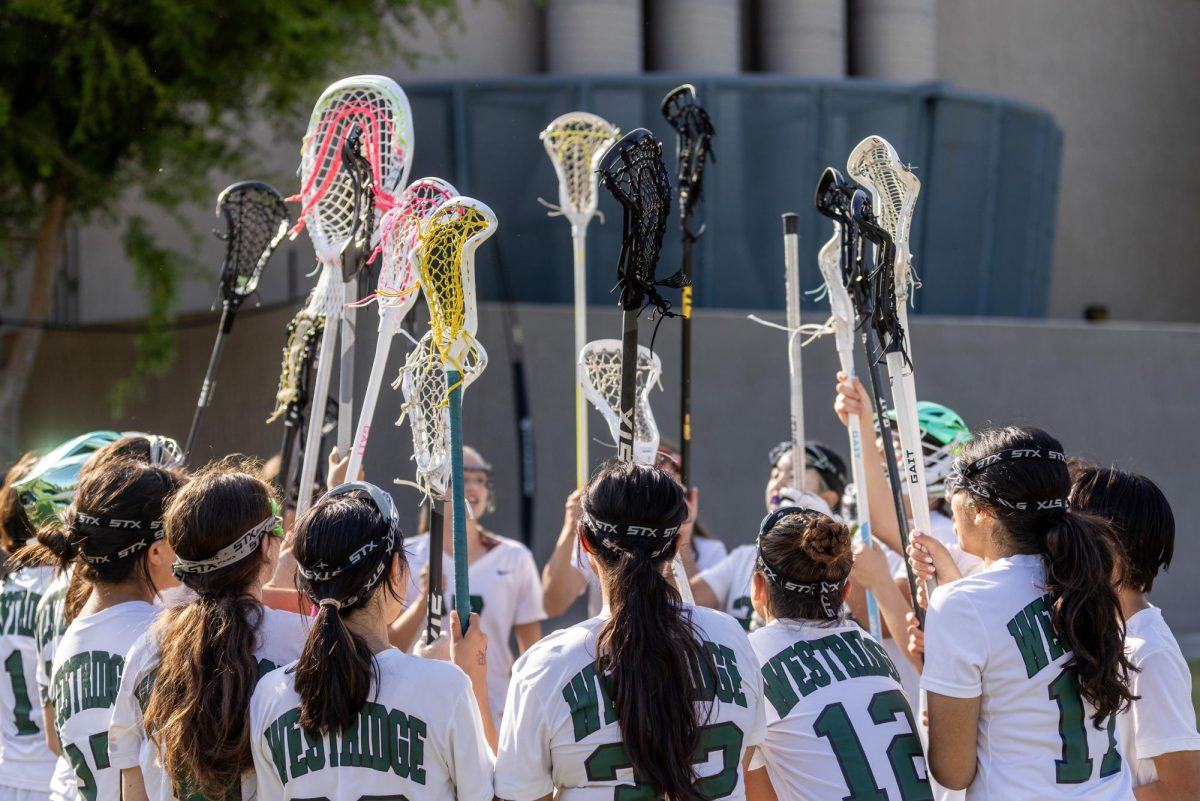
![Lacrosse had an incredible season, making it to the semifinals. Jeff Searock, the father of player Sophie S. '28 has gone to most games and said, "[The season has] been great. Great coaching, great players, kids have great attitude. You can't ask for much more."](https://westridgespyglass.org/wp-content/uploads/2026/05/IMG_3652-1200x900.jpeg)



Every year during the first days of November, my family and I gather around a beautiful ofrenda (altar) at a festival, decorated with old photos of loved ones. This ofrenda is filled with ancestors’ favorite foods and pan de muerto (bread of the dead). Papel picado, or colorful paper, surrounds the altar with small toys and prized possessions scattered about it. This year, our ofrenda honors my mom’s late godparents and my dogs Luna and Tokyo. The scent of marigolds mixed with the savory smell of food reminds me of all the Día de los Muertos I’ve celebrated. Candles burn brightly as my family and I remember our loved ones. As I take in this bright vision, I know that Día de los Muertos, an annual tradition, is finally upon us.

Día de Los Muertos, or Day of the Dead, is a Latin American holiday celebrated on November 1 and 2 to honor deceased loved ones. In the past, in Mexico, Día de los Muertos was a significant tradition known for its vibrant festivals. However, in modern-day Mexico, certain regions have stopped hosting such elaborate celebrations. The southern and central parts of Mexico still intricately celebrate Día de los Muertos. On November 1, Día de los Muertos celebrates infants and children who have passed, and adults the following day. Many local places, such as Olvera Street, are decorated with marigolds and papel picado. Olvera Street holds a festival this year from October 25 to November 2.
The main element of Día de Los Muertos celebration? It is an ofrenda, which typically features photos of those who have passed in someone’s family. To personalize an ofrenda, the living add their ancestors’ favorite foods, toys they cherished, salt (to ward off evil spirits), candles (to light the path to return), and marigolds. Marigolds or cempasúchil are used to guide the deceased from the afterlife to their altars, where they are remembered. Pan de muerto, or bread of the dead, is offered in addition to the favorite foods of the deceased.
My grandfather on my dad’s side is from Guanajuato, Mexico, a region where Día de los Muertos is elaborately celebrated. They hold big festivals and decorate ofrendas beautifully. My grandmother on my dad’s side remembers when she would go to the cemetery with my great-grandmother to lay flowers down. My dad recalls when his grandmother would make pan de muerto for him.

This tradition has been taught to each generation, to ensure it’s not forgotten. Growing up, my mom always made an effort to educate my brother and me on our culture. Every year, she took us to the Día de los Muertos festival in Claremont, where my brother and I would dress up as skeletons. She painted us in skeleton-inspired makeup and dressed us in intricate costumes. In middle school, my Spanish teacher would assign us to make an altar for a dead pet or a Hispanic celebrity. I would create these altars, remembering Selena (one of my favorite singers) and my old dog Luna.
Now that I’m older, I’ve stopped attending these festivals. My busy schedule just doesn’t allow it between school work and athletics practices. The fact that I’m too busy to participate in this tradition makes me feel guilty. To feel better, I always find time to put up a small altar at home honoring my ancestors who have passed. This year, my family went to a small market in Tijuana and purchased sugar skulls and streams of marigolds to decorate our altar.

Recently, my mom’s godparents died, and during Día de los Muertos, my family and I took the time to remember them. They were important people to my mom and me. By creating this altar, we can look back on the memories we had with them while they were still alive. To honor them, we print out photos of them and place them on a small altar in our house. A photo of my mom’s godparents sits next to two candles and our figurines of Catrin and La Catrina that we bought in Mexico.

(Isis L.)
I will not let my ancestors be forgotten, for that is the whole purpose of this tradition. Día de los Muertos ensures that family members don’t forget their deceased loved ones. It’s my job to pass on the knowledge of this tradition to others who will continue the future of Día de los Muertos.