









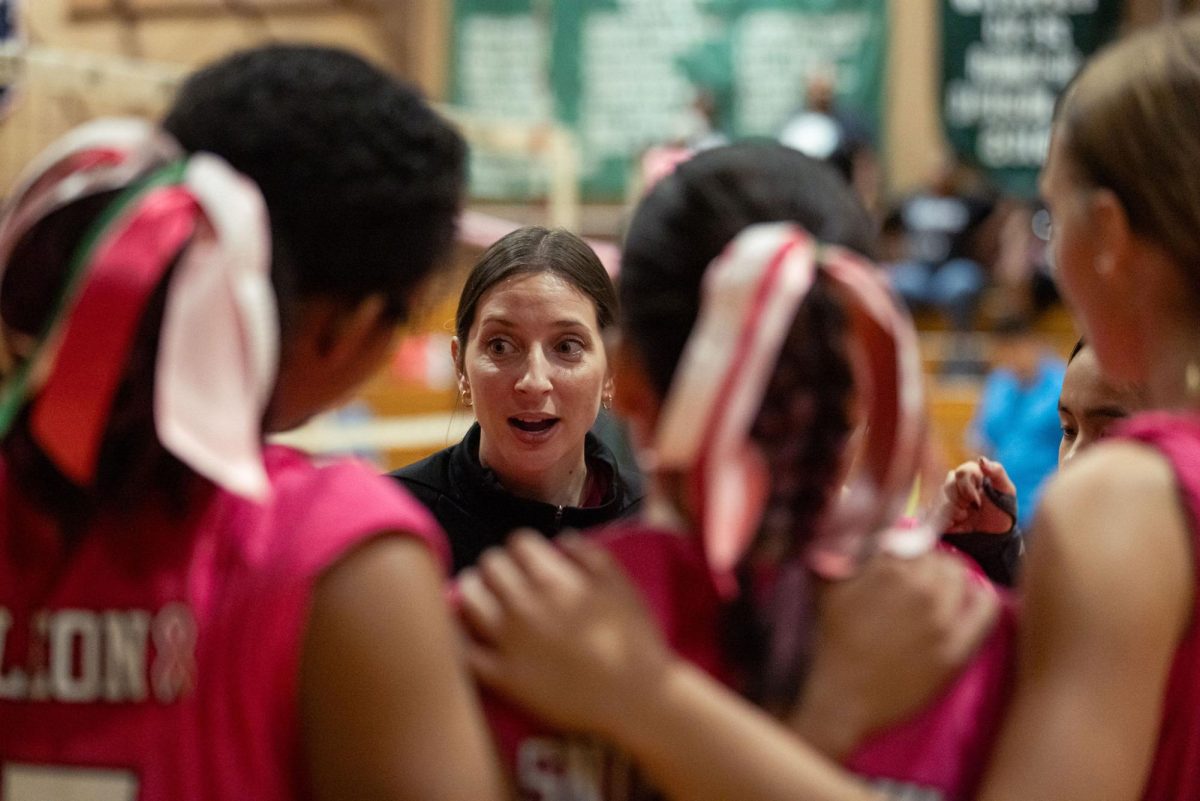
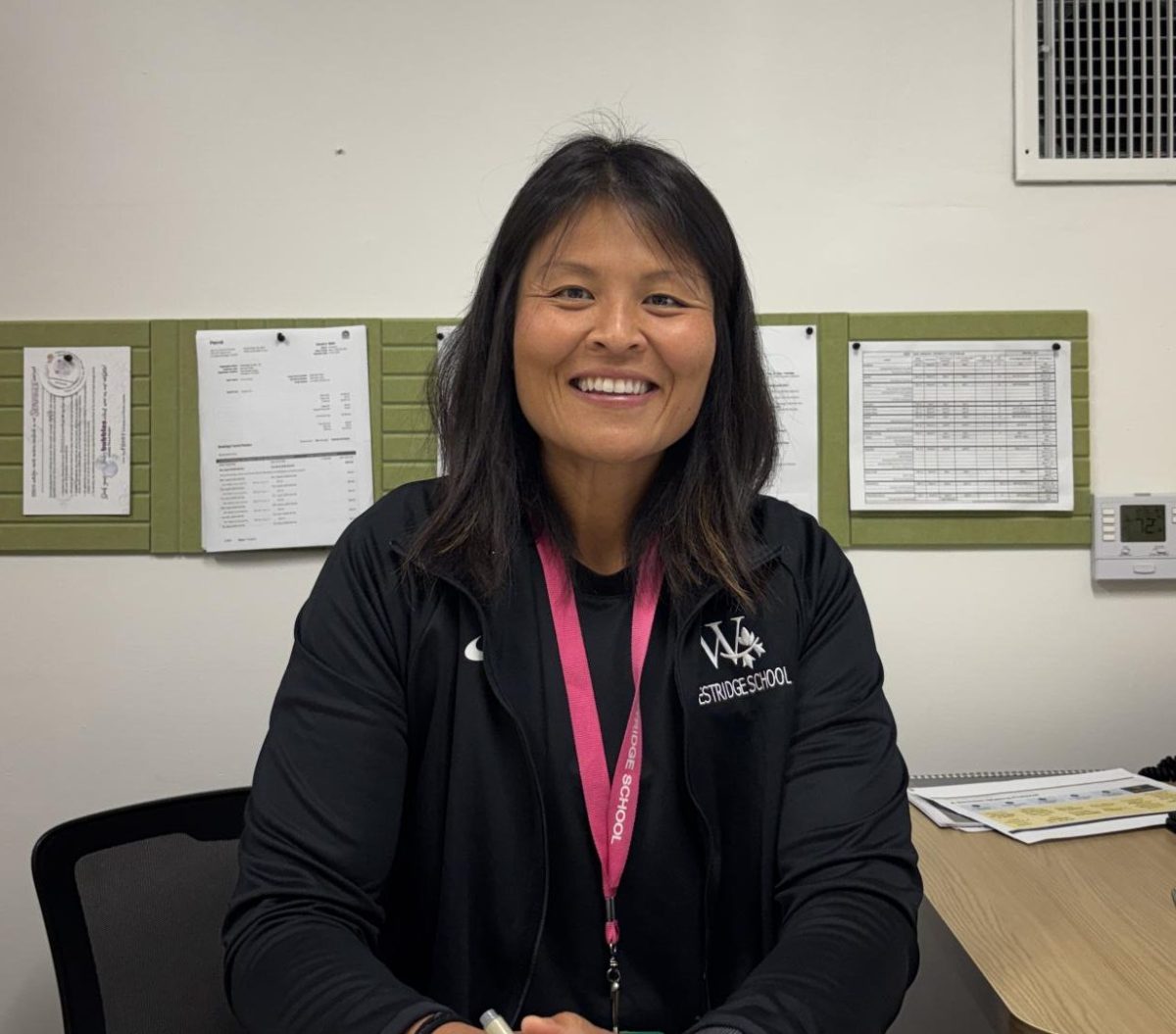
![Dr. Zanita Kelly, Director of Lower and Middle School, pictured above, and the rest of Westridge Administration were instrumental to providing Westridge faculty and staff the support they needed after the Eaton fire. "[Teachers] are part of the community," said Dr. Kelly. "Just like our families and students."](https://westridgespyglass.org/wp-content/uploads/2025/03/dr.-kellyyy-1-e1748143600809.png)
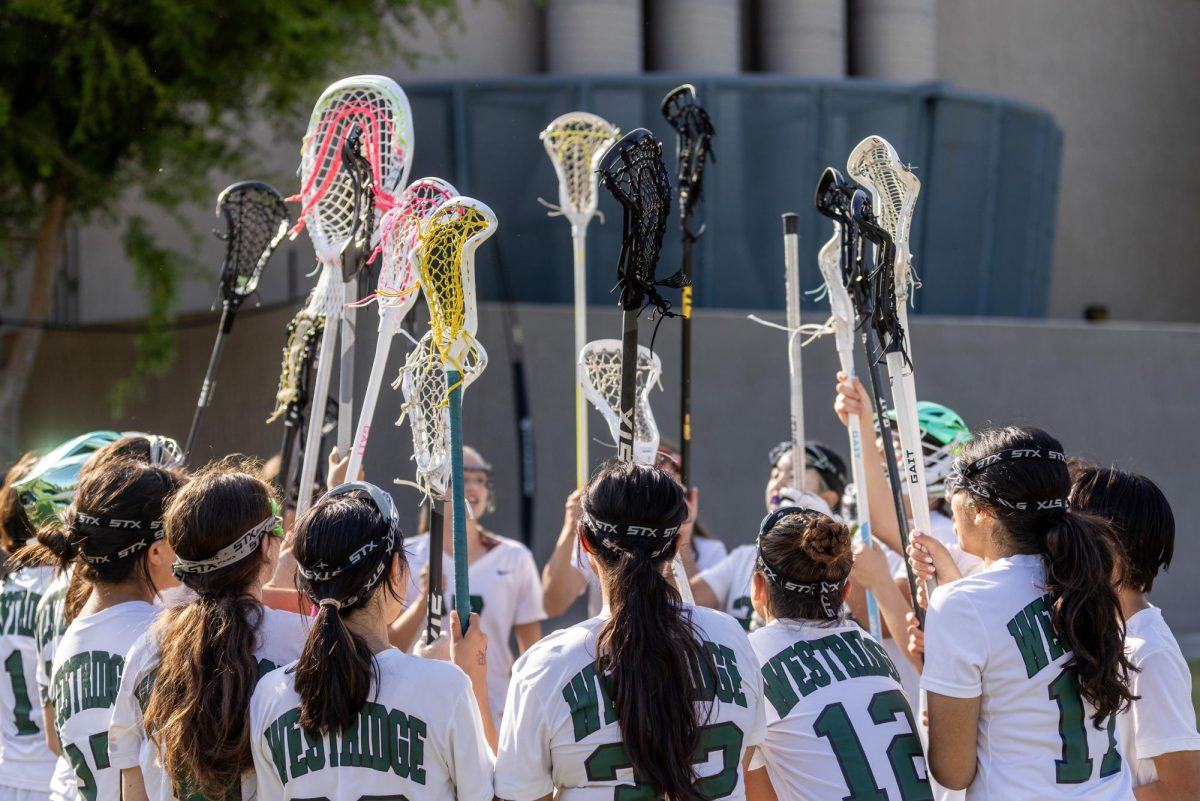
![Lacrosse had an incredible season, making it to the semifinals. Jeff Searock, the father of player Sophie S. '28 has gone to most games and said, "[The season has] been great. Great coaching, great players, kids have great attitude. You can't ask for much more."](https://westridgespyglass.org/wp-content/uploads/2026/05/IMG_3652-1200x900.jpeg)






It’s that time of year again when the air crisps, frightening decorations come out, and the Pumpkin Spice Lattes hit us like a bang. Even before October rolls around, Halloween is on our minds and in our grocery store aisles—costumes, candy, and everything spooky. But beneath the fun and creativity of costumes and decorations lies something more daunting than any haunted house—mass consumerism.
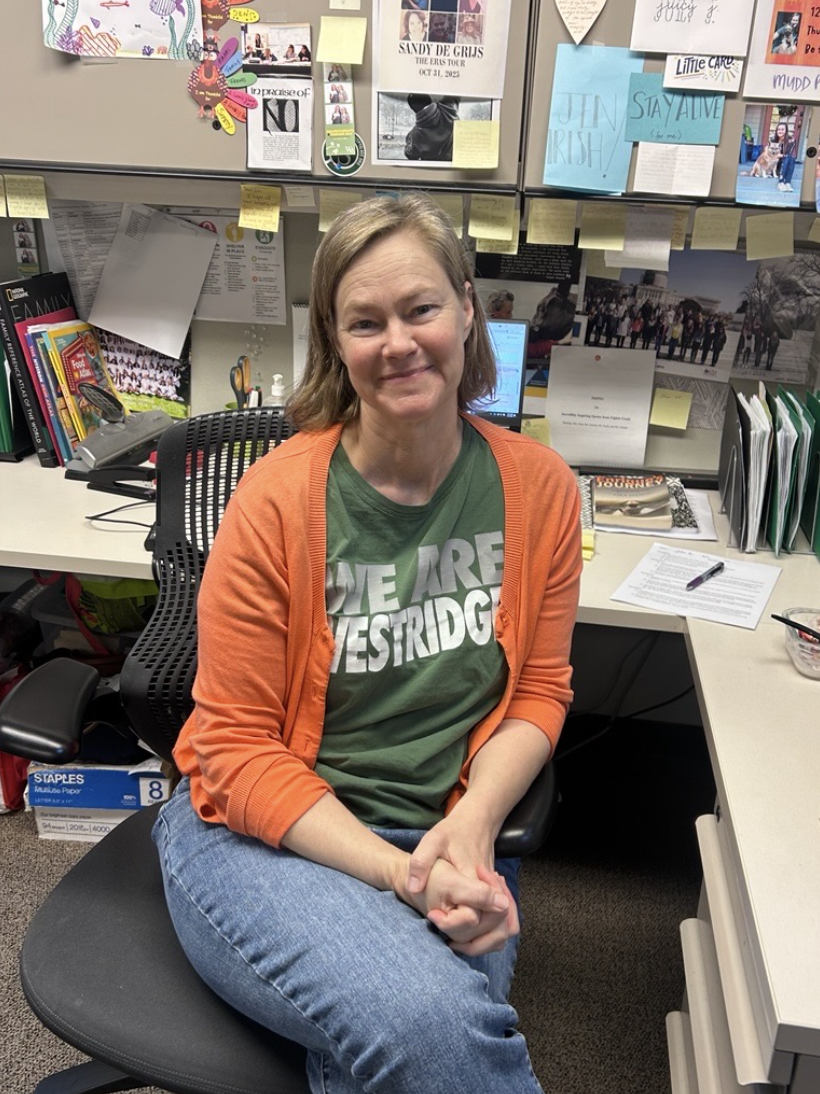
Beginning as early as August, marketers lure Americans into buying decorations, costumes, and candy with flashy sales and new products. It’s easy to get caught up in the whirlwind of the holiday culture without thinking about the environmental consequences. Every year, 2000 tons (4,409,245 lbs) of plastic waste is generated from Halloween alone, and 63% of costumes that are made with plastic and synthetic materials can take 20-200 years to decompose. “The kinds of costumes and decorations generated for Halloween are particularly cheap, because people don’t want to spend a lot of money on a one-day event,” said Upper School Learning Service Coordinator Ms. Erica St. John. “We use them once, and because they’re made out of plastic, they’re on the earth forever, just broken down into smaller pieces.”

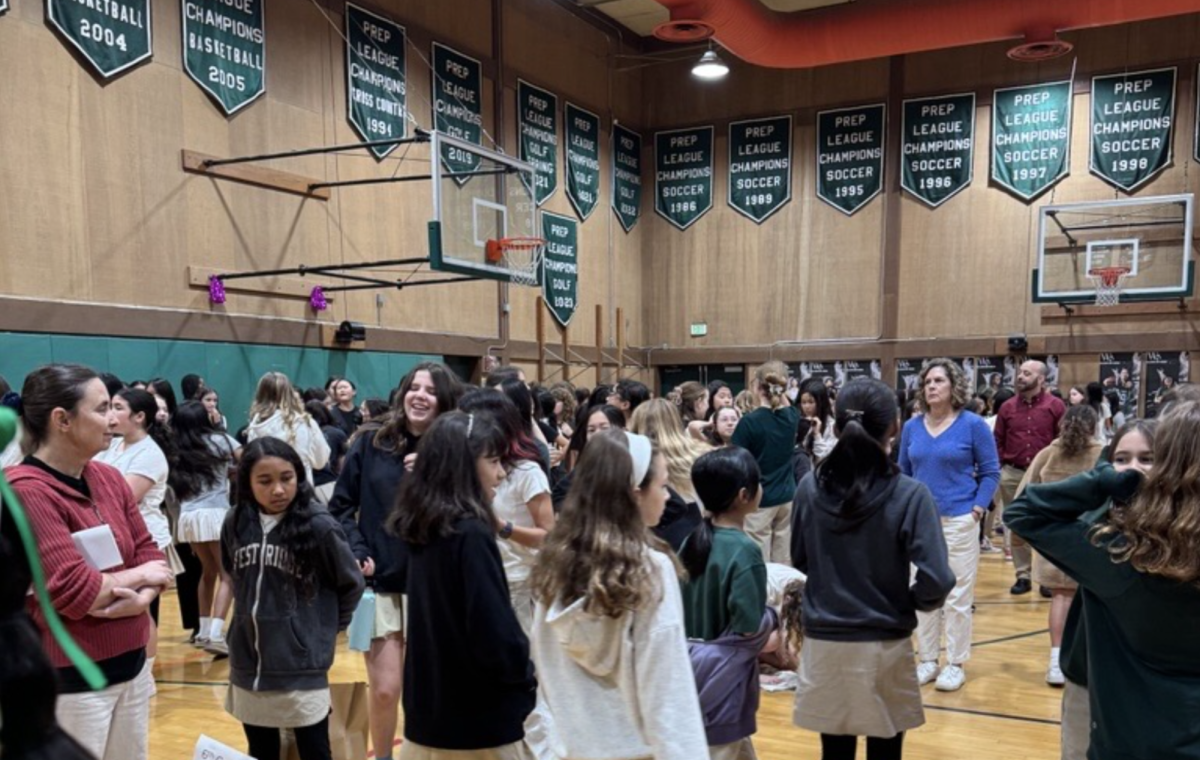
At Westridge, Halloween comes with its own traditions— the Halloween parade, advisory pumpkin decorating, and a costume contest. However, despite the beloved school traditions, excitement can often lead to waste. “One thing I don’t like is sometimes we draw on pumpkins, and then I just find those pumpkins all over. Once they’ve been drawn on, they can no longer be composted safely,” said Ms. St. John.
Nearly 1.3 billion pounds of pumpkins, out of the 2 billion produced annually, are wasted every year after Halloween. Most pumpkins aren’t composted properly and end up in landfills, which releases methane gas, a harmful greenhouse gas, into the atmosphere.
Still, it wouldn’t be Halloween without the pumpkins or the costumes—weeks of planning group costumes with friends, scouring the internet for the perfect accessories, and hoping to clinch “Best Costume” at the Westridge Halloween parade. “A lot of people, and I know myself included, especially when I was little, would get a costume, and then I wouldn’t wear it again. It would just sit there, and then I would throw it away,” said Larkin M. ’27, a co-head of the Green Guerrillas, Westridge’s sustainability club.
Buying something new for Halloween, whether a new accessory or decoration, is part of an upward spending trend. According to the National Retail Federation, Halloween spending will reach a record high of $13.1 billion, exceeding last year’s figure of $11.6 billion.

While some students rush to the store to buy cheap and dependable costumes, others make an effort to reuse but may still end up buying an additional feature for their costumes. Macy Z. ’28, who enjoys dressing up for Halloween and planning group costumes with her friends, usually buys things that she rewears. “I don’t necessarily consider the environmental impacts. I think I consider more like what’s more efficient for me and what would be in my own best interests,” said Macy.
Some students see the issue of Halloween consumerism as part of a broader cultural habit. Liv C. ’28 said, “Personally, I try to be resourceful, but it is a holiday, and if you have to go out and buy something cute for your costume, I’m not one to judge.”
While Halloween has long been a celebration of community and creativity, it’s also an opportunity to think critically about how it’s celebrated. Small changes like reusing a costume, composting pumpkins properly, or skipping the plastic decorations can make a big difference. Ms. St. John encourages students to think outside the box before purchasing something new. “Try to be creative in where you source your costumes—go to thrift stores, go through your parents’ closets, your friends’ parents, your friends’ houses. Don’t buy cheap plastic synthetic materials.”
Many students are already taking steps toward sustainability. “You shouldn’t buy things unless you really need to,” said Liv C. ’28. “If you can find or make something, that’s probably better. And so, I try to follow that when choosing what to do for Halloween.”