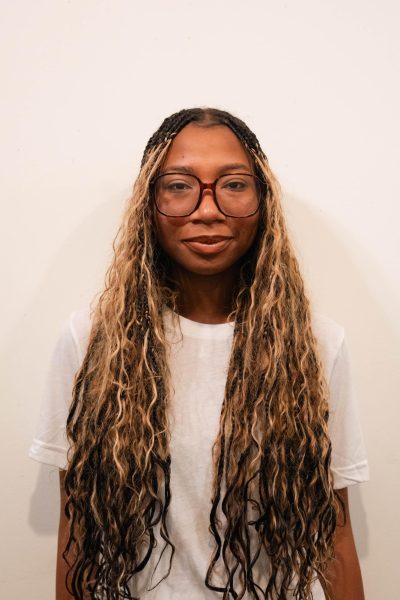

















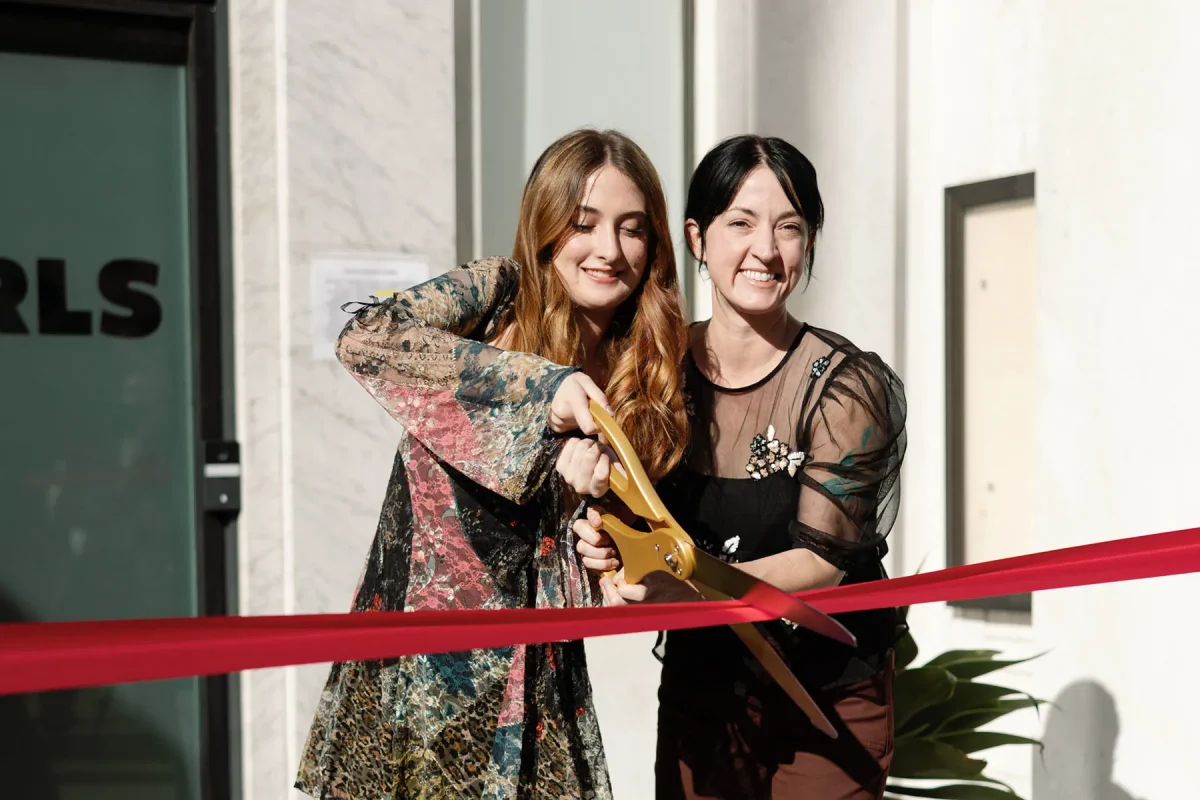




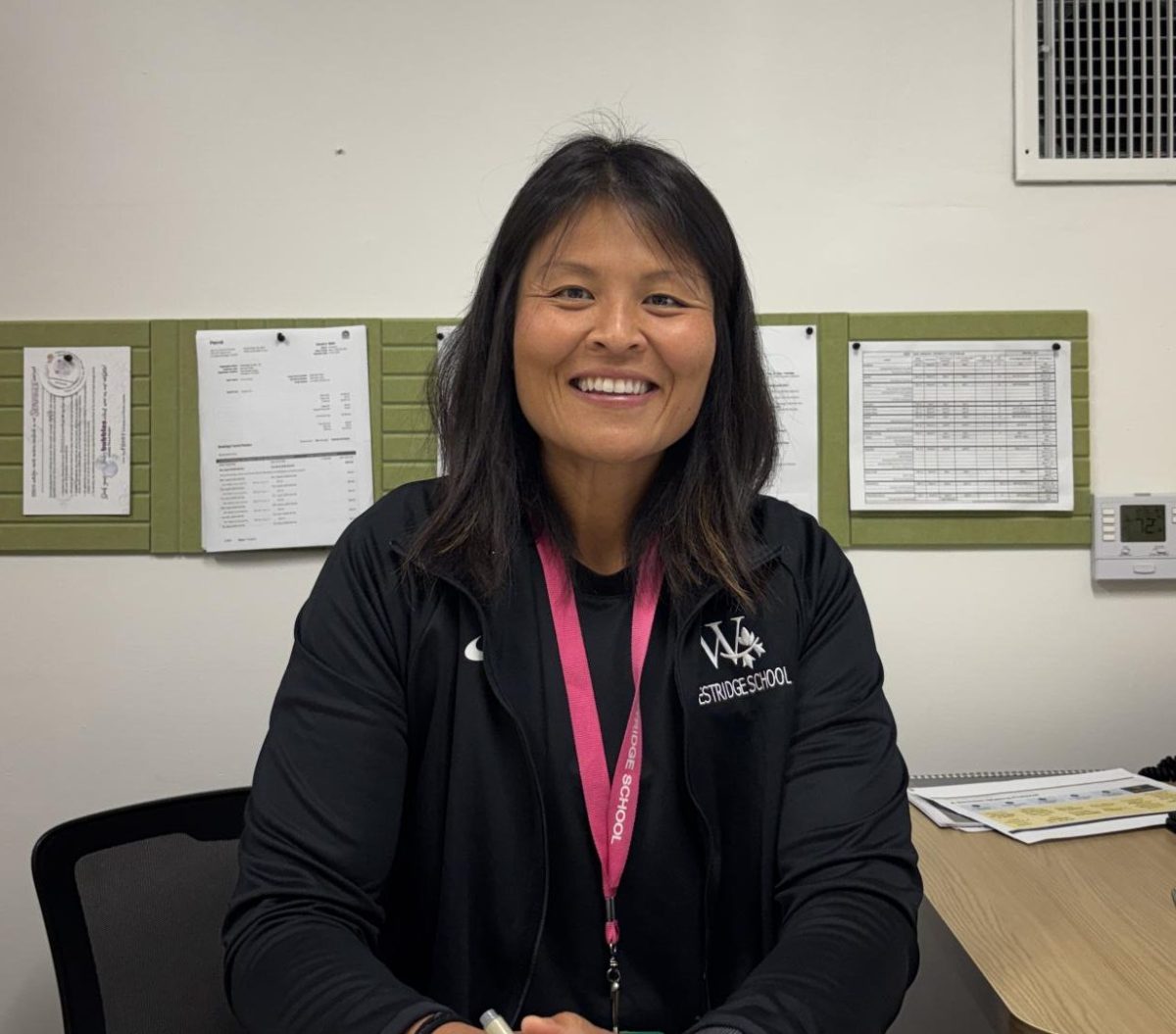
![Dr. Zanita Kelly, Director of Lower and Middle School, pictured above, and the rest of Westridge Administration were instrumental to providing Westridge faculty and staff the support they needed after the Eaton fire. "[Teachers] are part of the community," said Dr. Kelly. "Just like our families and students."](https://westridgespyglass.org/wp-content/uploads/2025/03/dr.-kellyyy-1-e1748143600809.png)
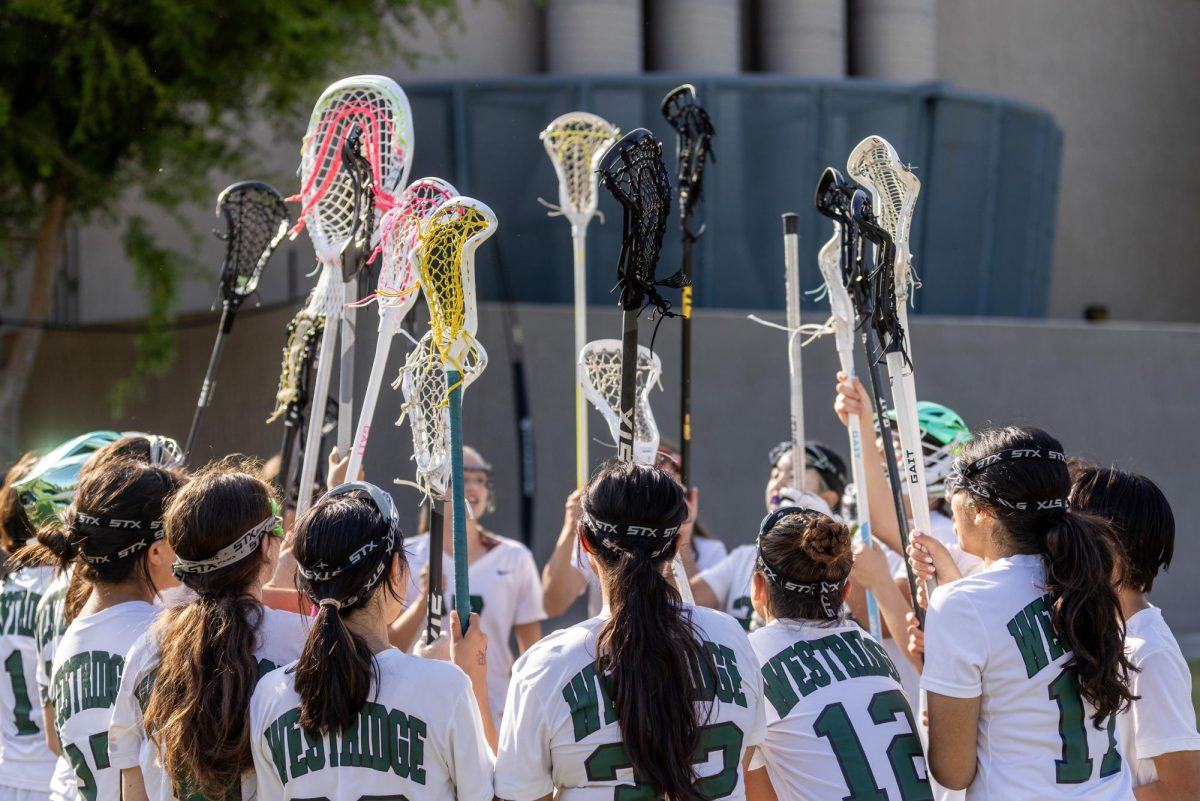
![Lacrosse had an incredible season, making it to the semifinals. Jeff Searock, the father of player Sophie S. '28 has gone to most games and said, "[The season has] been great. Great coaching, great players, kids have great attitude. You can't ask for much more."](https://westridgespyglass.org/wp-content/uploads/2026/05/IMG_3652-1200x900.jpeg)





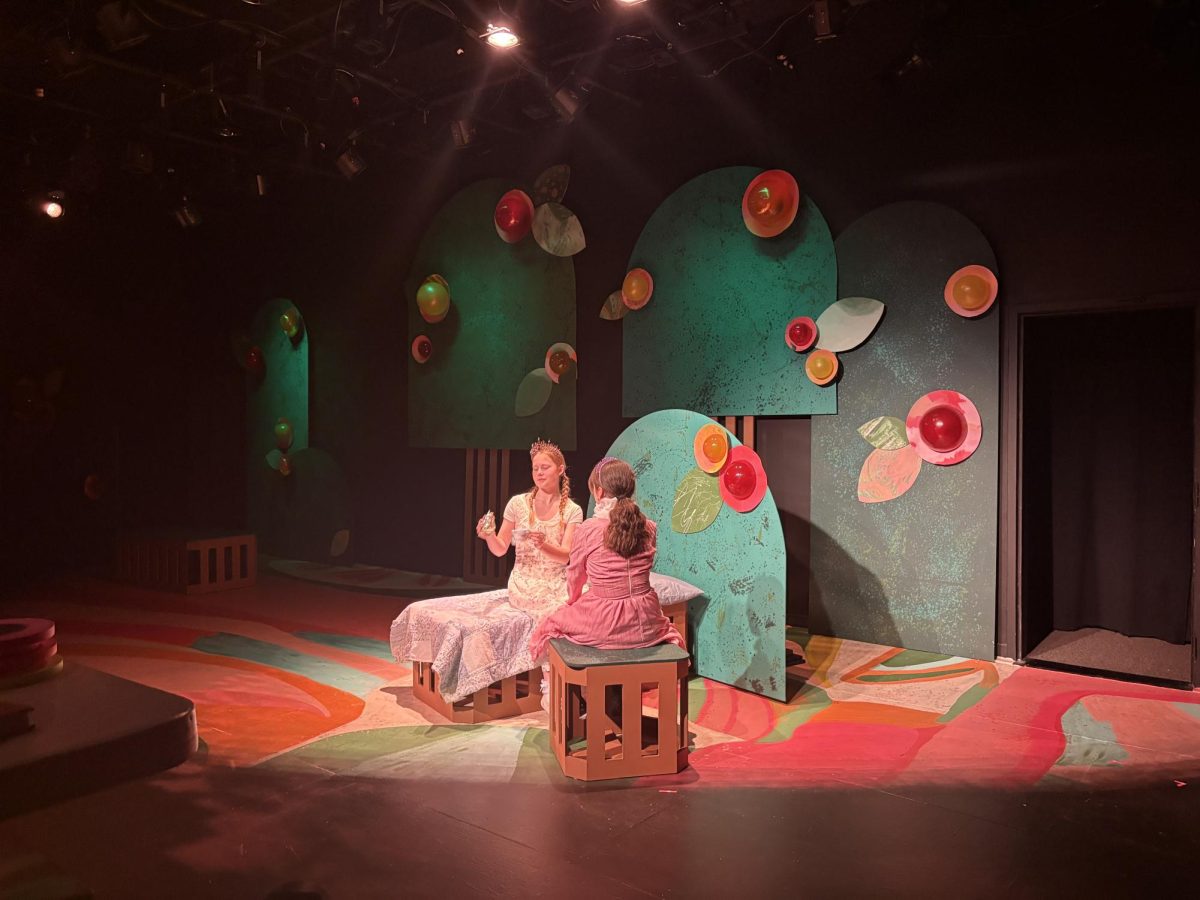

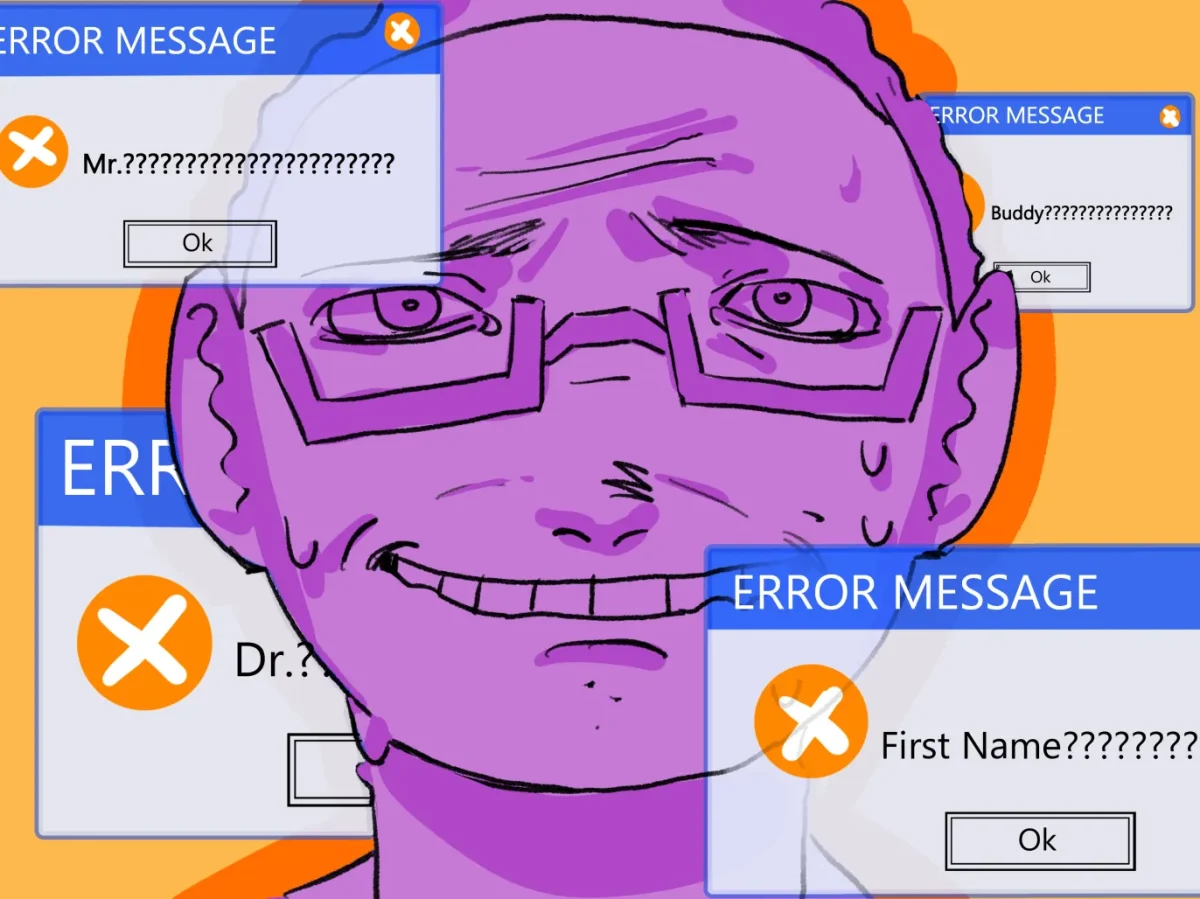
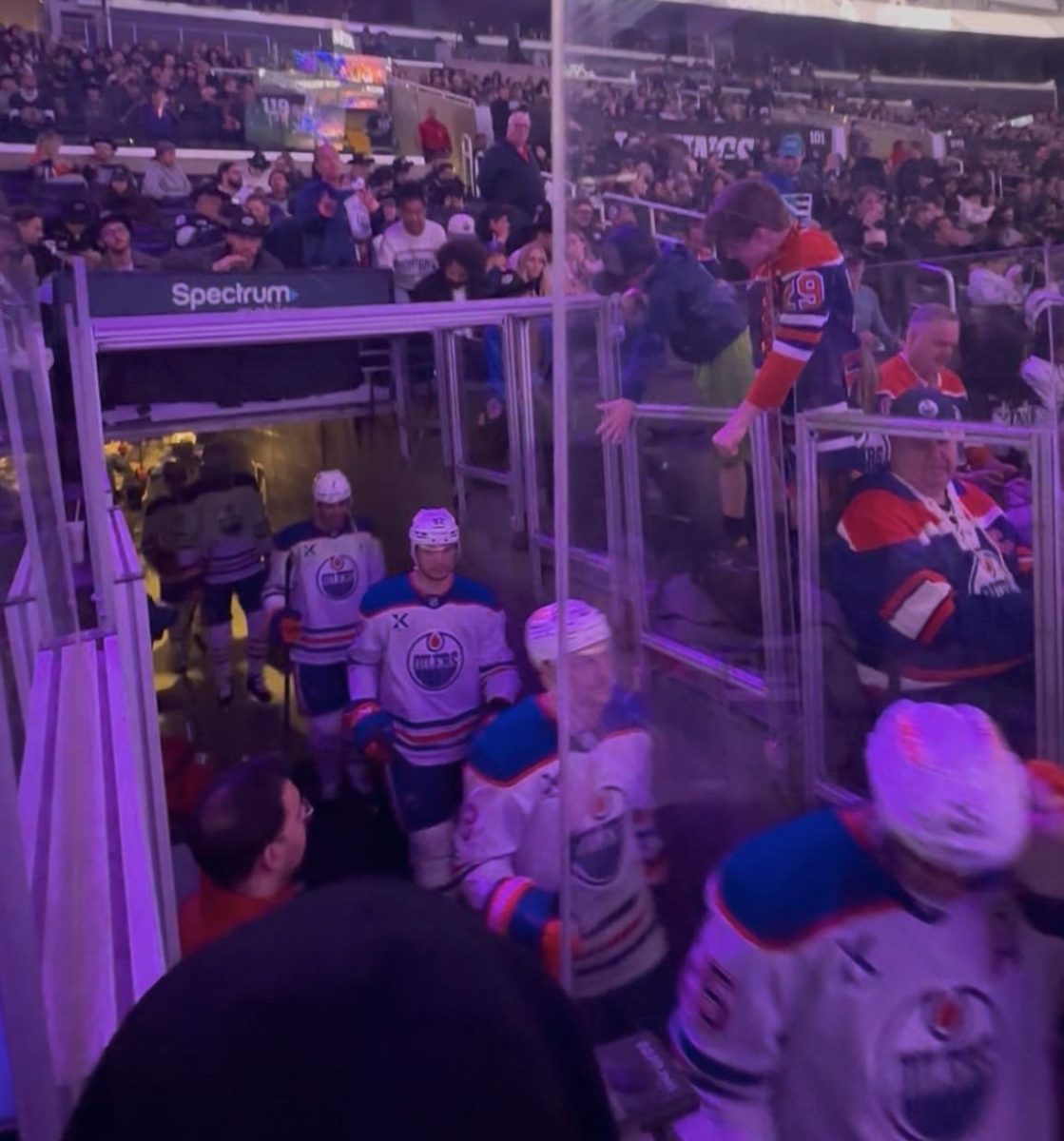

In the midst of what Jaden Smith once described as the bleak “political and economic state of the world,” I’ve found a newfound appreciation for comedy television. Over the past few months, I’ve buried myself beneath countless blankets and giggled over Netflix shows like Nick Kroll’s dirty, coming-of-age comedies Big Mouth and Human Resources, Jeff Davis’s melodramatic Teen Wolf, and my personal favorite Australian comedy comfort rewatch, Heartbreak High. While these shows differ in tone and style, they all have one thing in common: they center on young people. Not just any young people, but ones who mirror me, despite differences in race, gender, and identity.
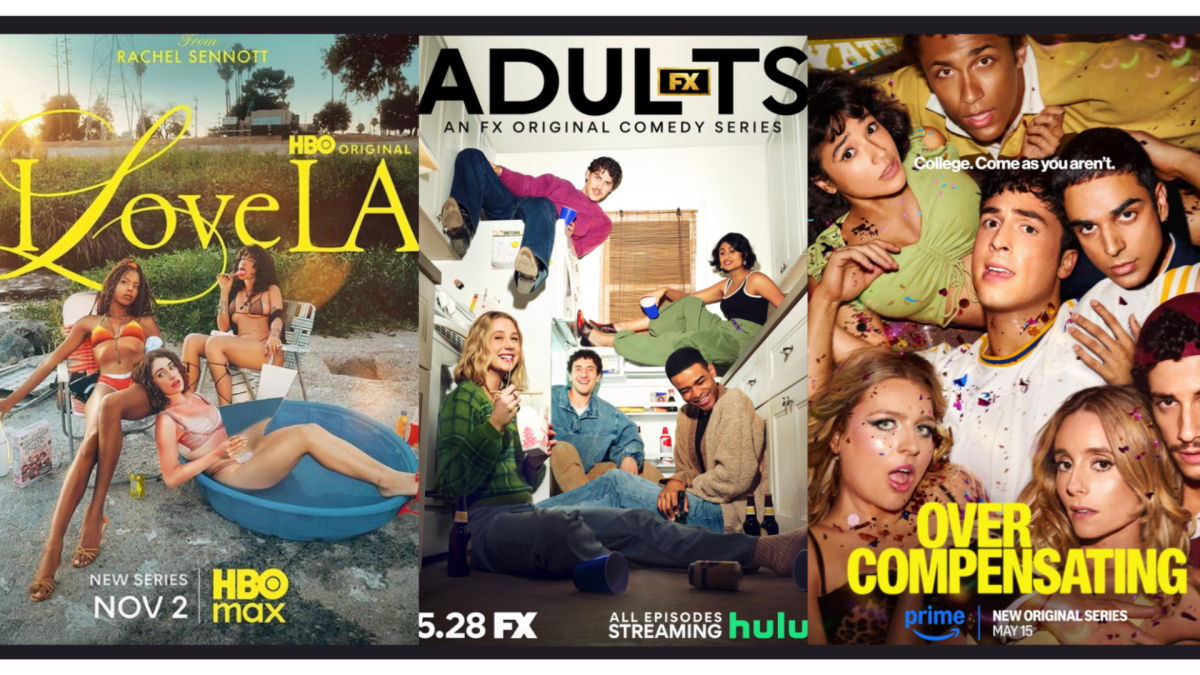
There’s something uniquely rewarding about watching a show and thinking, “Oh my god, she’s the same age as me,” or “That’s so real,” or even pausing because the characters’ dialogue and decisions are embarrassingly accurate to real life. In my search to see my age group reflected on screen, I began seeking out even more modern teen series. That’s when I stumbled upon what some might call the Gen Z “holy trinity” of shows: Overcompensating, Adults, and I Love LA.
These eight-episode series kept appearing on my TikTok feed, each promising a hyper-specific portrait of growing up in a decade shaped by a global pandemic, unexpected wildfires, political turmoil, and the never-ending trend cycle of Erewhon smoothies. After finishing all three, I can confidently say they capture the strange, hyperaware, and often absurd reality of coming of age right now. While they share a common generational lens, each captures a distinct perspective on the vibrant youth of the 2020s.
To begin this hunt for generation-representative media, I began with filmmaker Benito Skinner’s obnoxious, semi-autobiographical college coming-of-age series Overcompensating, which premiered on May 15, 2025. The show follows Benny, a former high school quarterback and closeted gay college freshman, as he struggles to come to terms with his sexuality. Along the way, he falls for a British guy in his film class, backstabs countless other characters, and raps Nicki Minaj’s iconic song Super Bass, all while wearing a backpack that clips across his chest. Television critic Inkoo Kang reflects on Overcompensating best, “The series’ semi-camp, semi-sincere tone is embodied by the pilot’s use of the 2000 Britney Spears track ‘Lucky’.” To complement the series’ “semi-camp” vibe, the show is produced by everyone’s favorite nerd, Jonah Hill, and the executive music producer is none other than Gen Z superstar Charli XCX!
In addition to its hilarious plot and combined chaotic influence of Hill and XCX, Overcompensating does not miss out on depicting many Gen Z and Millennial, or “Zillennial,” trends, including weird fraternity traditions, Glee references, 2016 music nostalgia, public queerness, and a challenge that oddly mirrors both the “USC Speak Your Mind Ice Bucket Challenge” and the 2016 Ice Bucket Challenge.
While the show has some major pacing issues, a few plotlines that make you go, “Really…?”, and a couple of sex jokes that push too far, it’s authentically messy. There wasn’t a single moment in Overcompensating that felt overly dramatized or inaccurate to the absurd social media-centered life in the late 2010s and early 2020s. I love how Skinner blends the not-so-distant past with our current unstable reality in such a short series. He lays all his ideas on the table, allowing young viewers to dissect his flawed characters, laugh at Benny’s chaos, and relate to his struggles. This kind of representation is only just beginning to emerge, and it felt refreshing to laugh at jokes my friends and I would genuinely make ourselves. I know I am not the only one who feels this way. Any teenager with a handful of embarrassing moments and an alarming amount of screen time would get it, which is to say, most of us. So yes, Benito Skinner, I’ll be eagerly awaiting season two and recommending this show to everyone I know.
Shortly after, the comedy series Adults, created by co-writers and directors Rebecca Shaw and Ben Kronengold, offered a different perspective. Set in New York in the 2020s, Adults follows the lives of a co-dependent group of friends all living in one home and navigating various strange career and romantic young adult circumstances. Pajiba Publisher Dustin Rowles summarizes the feeling Adults conjure in a nutshell: “Adults mostly left me feeling grateful that I’m no longer in my twenties, juggling career anxiety, romantic mishaps, and rent checks while sharing a house with too many other people.” Its chaotic twists, ranging from a ketamine-infected dinner party to a short-lived teenage pregnancy, an indecisive bisexual character torn between a male and a female love interest, and an unconventional wedding, reflect a generation of indecisiveness and fluidity.
Additionally, I loved how immersive the dialogue felt in this show. My eyes were constantly flitting from character to character, unable to decide who was funnier in a conversation. I found myself getting lost in their wild ideas and stories, their ironic inability to form fully “adult” thoughts, and the rawness of each storyline. Everything felt curated for a Gen Z audience, serving as either a reflection of who we are or have all, at some point, wanted to be.
Furthermore, the small details, like their discussions about cancel culture, their use of Apple AirTags, and the infamous “how can I make this about me?” mentality, especially give the show a distinctly Gen Z mindset. It also highlighted the lingering feeling of getting nowhere despite the tumultuous world’s expectations as you get older.
And for the grand finale, still grieving the end of Adults, I moved on to I Love LA, Rachel Sennott’s HBO Max comedy that hit a little too close to home (get it?). Premiering on October 28, 2025, the series follows Maia, a talent agent without clients, whose life shifts when she reconnects with her ex-best friend, influencer Tallulah. Oh, and did I mention it features everyone’s favorite actresses Odessa A’zion and Josh Hutcherson!
I chortled out loud during every scene of this show and easily finished it in six hours. From TikTok influencer parties, a date with a masc lesbian chef, to a season finale that kept me on edge, the show is just as raunchy as it is heartfelt. And if you could make the term “manchild” gender-inclusive, that would be the perfect way to describe every character.
The show’s references to influencer culture, Erewhon, Palisades fires, and LA prep schools create an idealized, glamorous, and performative version of Los Angeles that felt simultaneously artificial and authentic, and I couldn’t relate more to the recognizable environments the characters were in. Each scene felt like it was set somewhere anyone under the age of 35 would have a picture of in their Instagram scenery highlight. However, for all its glamour and fun, the show sometimes overlooks a broader view of LA, some storylines feel a bit overdramatic, and the final episode is so abruptly cut that it seems unfinished.
All in all, at the core of Overcompensating, Adults, and I Love LA is a sense of togetherness that I’ve been searching for as long as I’ve been watching TV. Growing up on Disney Channel and early 2000s shows, I always felt a quiet pull toward a different era, wishing I could’ve been born earlier, dressed differently, or shared in a humor that didn’t quite feel like mine. But now, seeing my own generation reflected on screen in a way that actually feels honest, messy, and specific, that feeling of isolation has shifted to excitement.
It’s validating to see characters who speak as we do, navigate the same contradictions, and exist in the same cultural gray areas. It makes the experience of growing up feel a little less isolating and a lot more shared. For the first time, I don’t feel like I’m looking backward for representation, I’m watching it unfold in real time. It makes me proud to be part of Gen Z, not just for what we are now, but for how quickly we evolve, question, and redefine ourselves.
And it also makes me curious about what comes next, what Gen Alpha will carry forward, what they’ll reject, and how they’ll reshape these stories for themselves. If anything, these Gen Z holy trinity shows feel less like an escape and more like a mirror, one that reflects not just who we are, but who we’re still becoming.