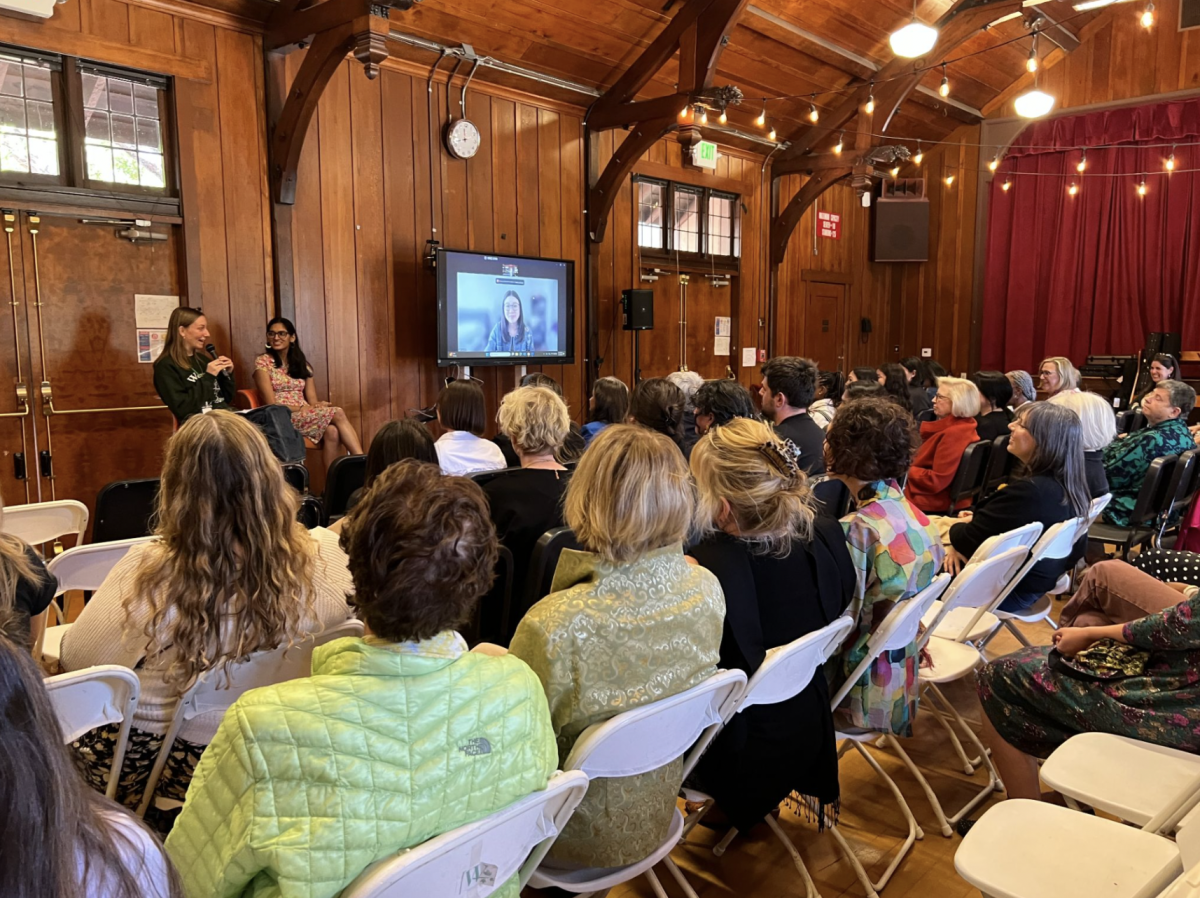
















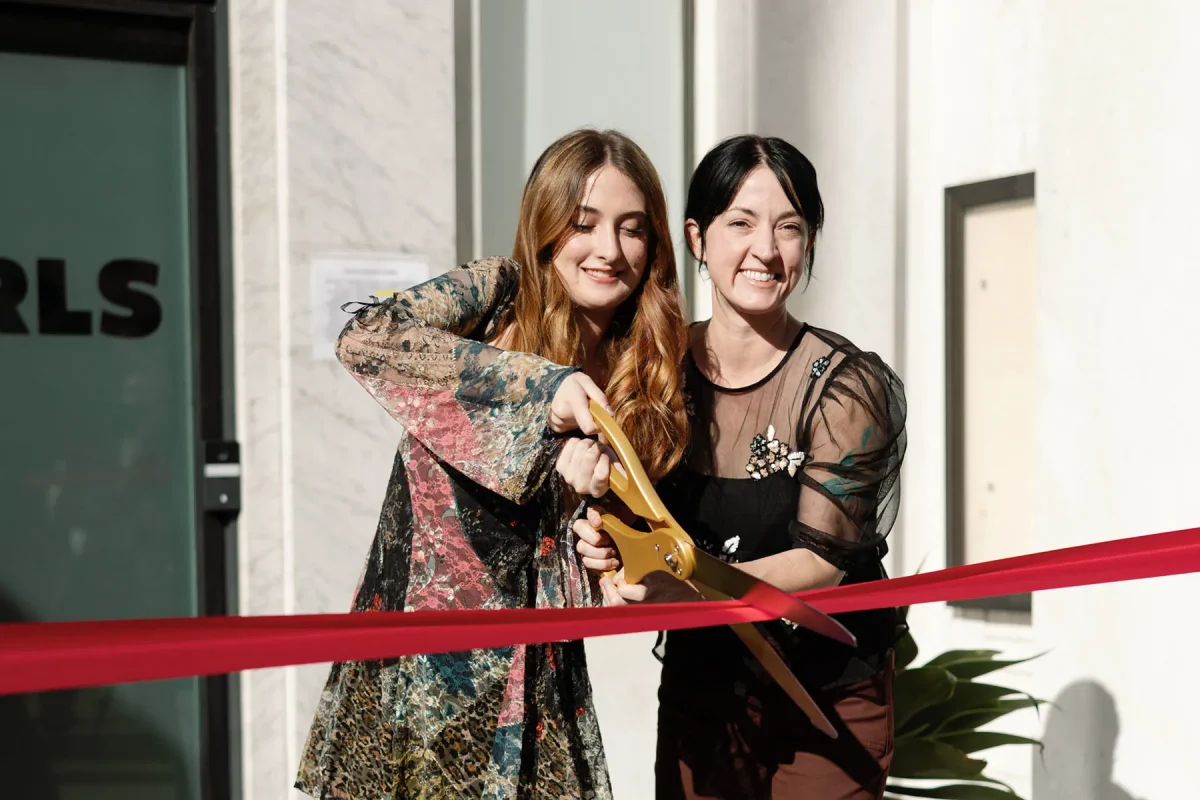




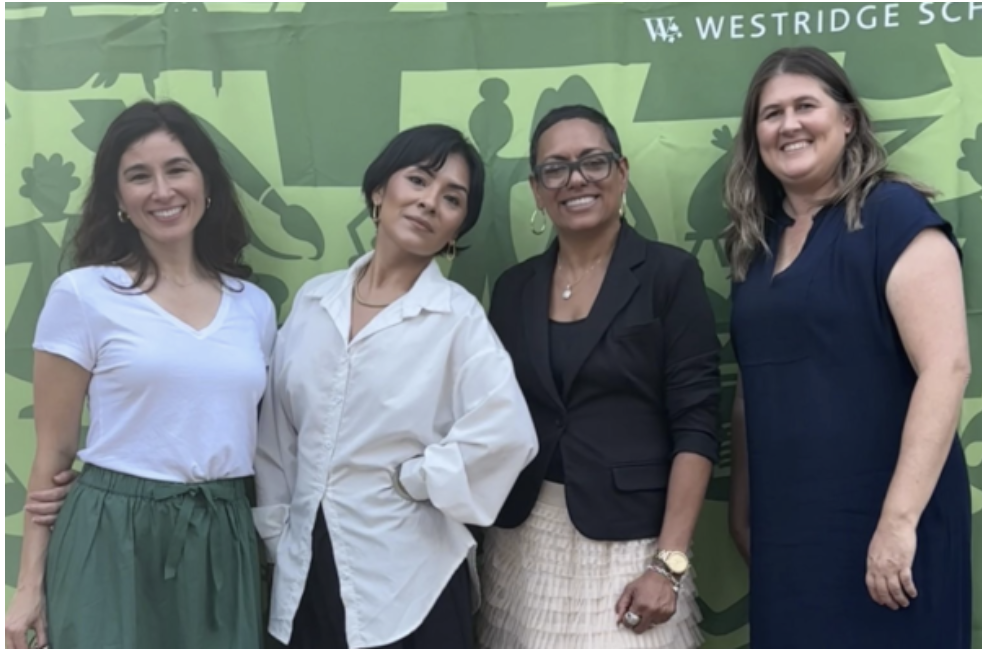
![Dr. Zanita Kelly, Director of Lower and Middle School, pictured above, and the rest of Westridge Administration were instrumental to providing Westridge faculty and staff the support they needed after the Eaton fire. "[Teachers] are part of the community," said Dr. Kelly. "Just like our families and students."](https://westridgespyglass.org/wp-content/uploads/2025/03/dr.-kellyyy-1-e1748143600809.png)
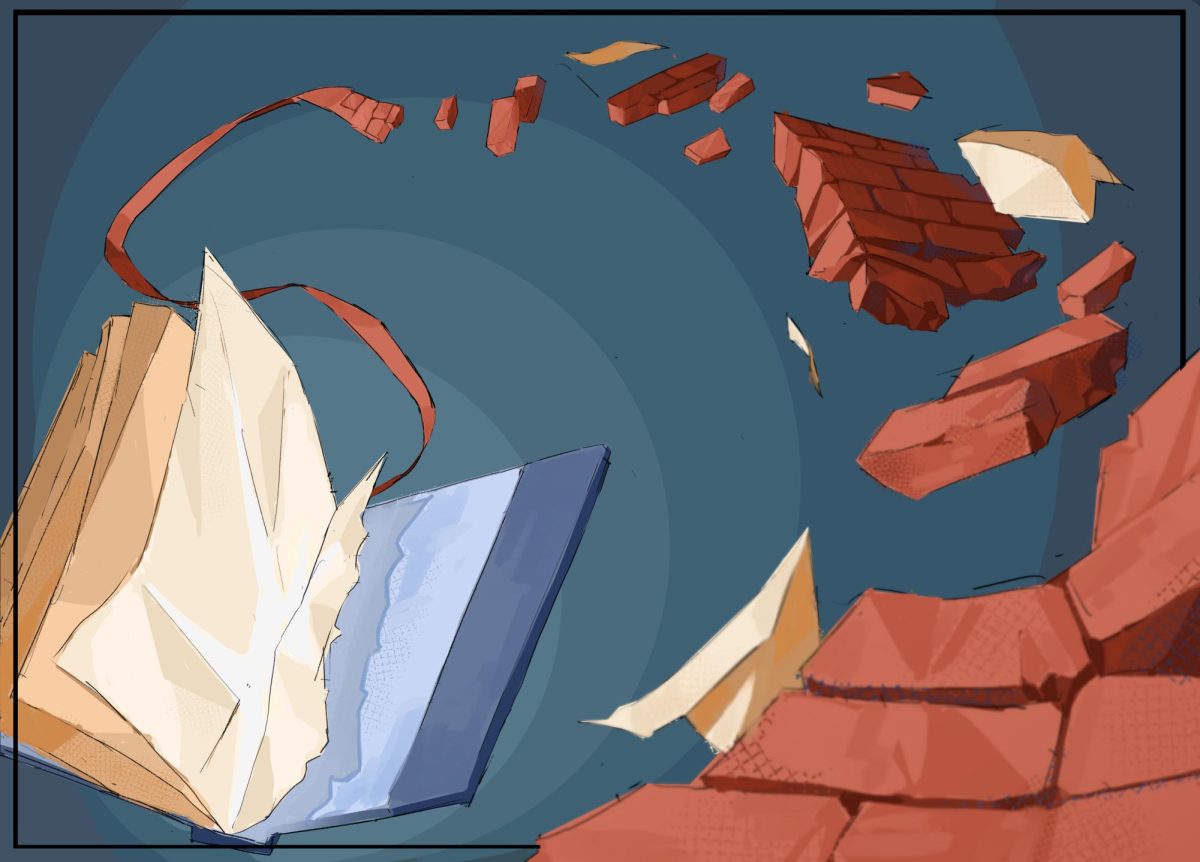
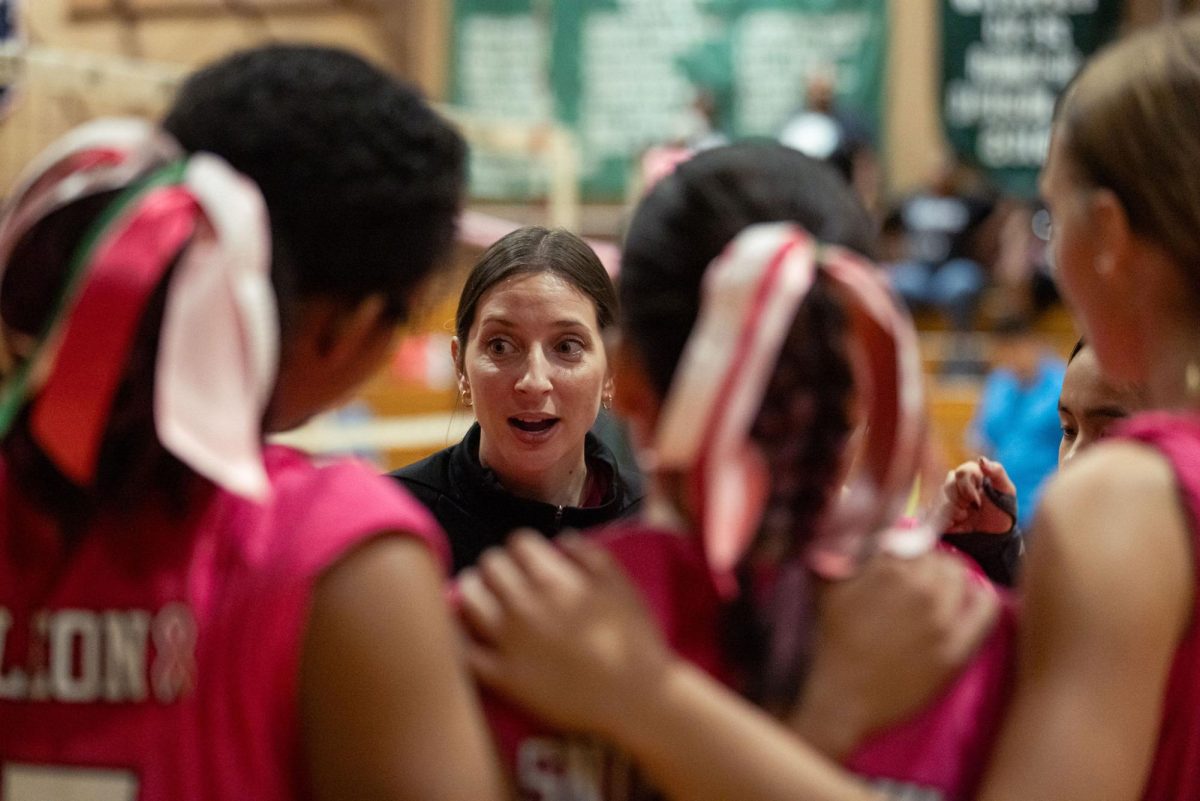
![Lacrosse had an incredible season, making it to the semifinals. Jeff Searock, the father of player Sophie S. '28 has gone to most games and said, "[The season has] been great. Great coaching, great players, kids have great attitude. You can't ask for much more."](https://westridgespyglass.org/wp-content/uploads/2026/05/IMG_3652-1200x900.jpeg)










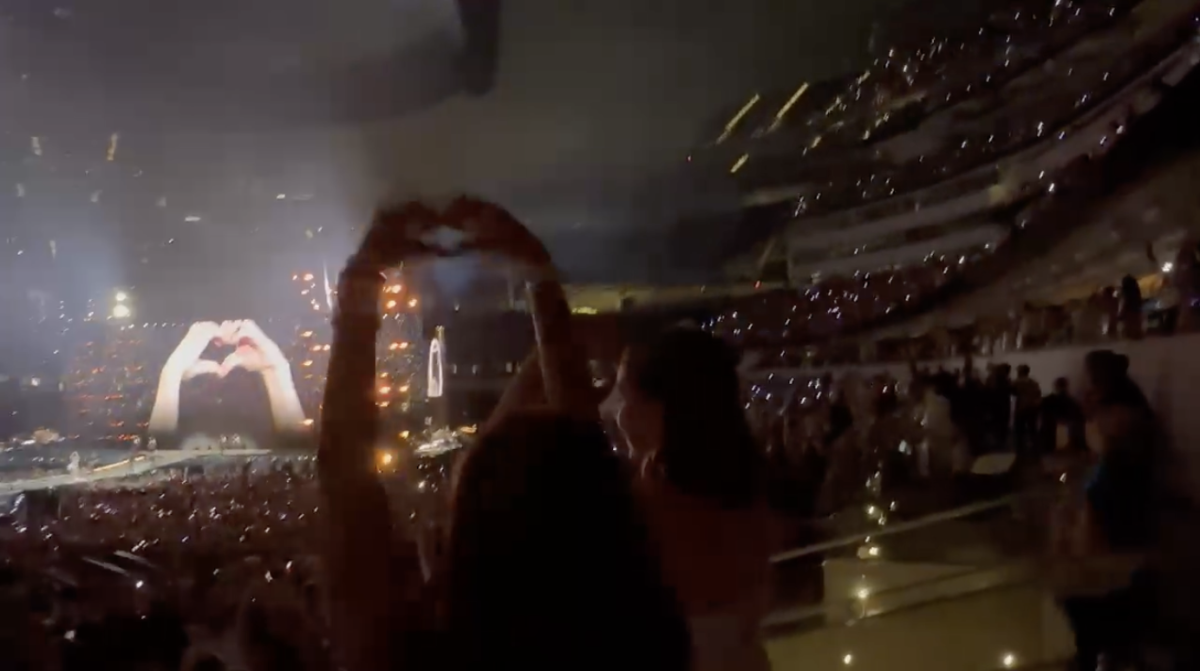
I’ll admit it—I loved Taylor Swift. Between her standalone bridges in songs like “All Too Well” and “The Last Great American Dynasty,” and her unmatched grasp over the young American female audience, I thought she was a poetic genius who deserved immense praise for her influential position in a male-dominated industry.
Taylor Swift’s songs populated my Spotify playlists from late 2022 until around the same time in 2024, and I still think about all of my memories tied to those special songs: I danced with friends to the newly-released Midnights album in 2022, I cried to Red (Taylor’s Version) after bad grades in fall 2023, and I even got closer to my best friend because of a shared interest in Swift.
Still, to me, one of the most compelling aspects of Swift’s cult of personality was her political presence.
In her 2020 documentary Miss Americana, Swift told both her father and the camera that she “need[s] to be on the right side of history” before releasing a statement of disapproval towards Senatorial Candidate Marsha Blackburn for her anti-LGBTQ+ stances. In a 2019 Guardian interview, Swift shared that she felt “remorseful” for not taking a stance in the 2016 Presidential Election, and pledged to “do everything I can for 2020.”
Throughout my history of Swift-fandom, I looked up to her devout feminism, especially in songs like “The Man” from her 2017 album Lover, where she explored her own experience being a woman in the competitive music industry. Swift sings, “I’m so sick of running as fast as I can / Wondering if I’d get there quicker if I was a man / And I’m so sick of them coming at me again.” In this earworm of a chorus, she questions her place in the industry and debates if she would have had an easier time—or faced less controversy—if she were a man.
Recently, however, I’ve noticed Swift shedding this shameless, almost unprecedented (for someone of her scale of influence) identity of progressivity for a more domestic touch.
In August, Swift announced her engagement to footballer Travis Kelce, whom she had been dating for two years prior. While many were supportive of this engagement, this news “jilted” some Swifties, as the NFL, the league in which Kelce’s team, the Kansas City Chiefs, plays, is associated with the MAGA movement and conservatism.
Her October album The Life of a Showgirl captured this shift in her engagement—as Spyglass Editor-in-Chief Valentina V. ’26 put it, the album transported her to a world of “glitter and romantic word play.” While TLOAS was a fun listen, Swift’s hopefulness may reflect her own life, but it does not reflect mine. And it sure doesn’t reflect my elusive optimism for ongoing global and societal issues.
Since the 2024 election, Swift has been silent about global and national political issues—which is something I cannot ignore. In previous albums, I’ve found Swift’s songs about coming of age, unhappiness, and joy familiar, but this newfound exuberance just isn’t relatable anymore—it shows me just how far removed Swift is from her primarily young, female audience.
Now, Swift is being outdone by her younger counterparts. Other prominent female artists with similar audiences like Billie Eilish and Sabrina Carpenter have spoken out about various national issues, namely Immigration and Customs Enforcement (ICE) presence in the U.S. Eilish delivered a speech at the February 1, 2026 Grammys, in which she “castigated” ICE, while Carpenter called use of her own music in social media posts promoting ICE “evil and disgusting,” both showing their deep dislike towards the agency—publicly.
As someone who appreciates seeing strong, empowered women in the media, it is a bit disheartening to see Swift—of whom 53 percent of adults in America consider themselves fans—not use her position of influence to address or just recognize even the resurgence of misogyny, an issue she seemed to be passionate about just a few years ago.
Similarly frustrating, she seems to be profiting off of her fandom more and more in recent years, instead of connecting with them personally as she has in years past. Since its initial release in October, Swift has offered over 40 different editions of The Life of a Showgirl. When I read this statistic in a recent blog post a few weeks ago, I almost laughed at the absurdity.
I used to be a fan of Swift, not just because of her music, but because she seemed to care for both her fans and in standing up for what she believed to be right. For a long time, I believed that Swift’s and my own perceptions of what is right were connected, but I feel like I’m learning that that’s no longer the case.
While I will inevitably fall back to my Swiftie ways every autumn in revisiting “All Too Well (10 Minute Version),” I can’t forget her silence in the wake of a perceived increase in political violence and similarly jarring absurdity in politics.
Swift will always have a place in my heart for soundtracking my Middle School years, but I cannot ignore her withdrawal from the activist scene—and I do not intend to support her billionaire status with further contributions to her bank account.