










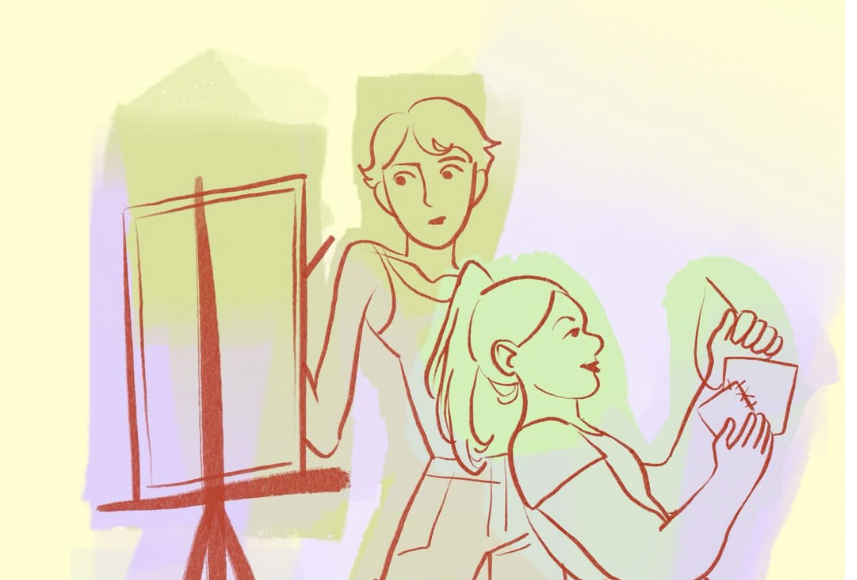






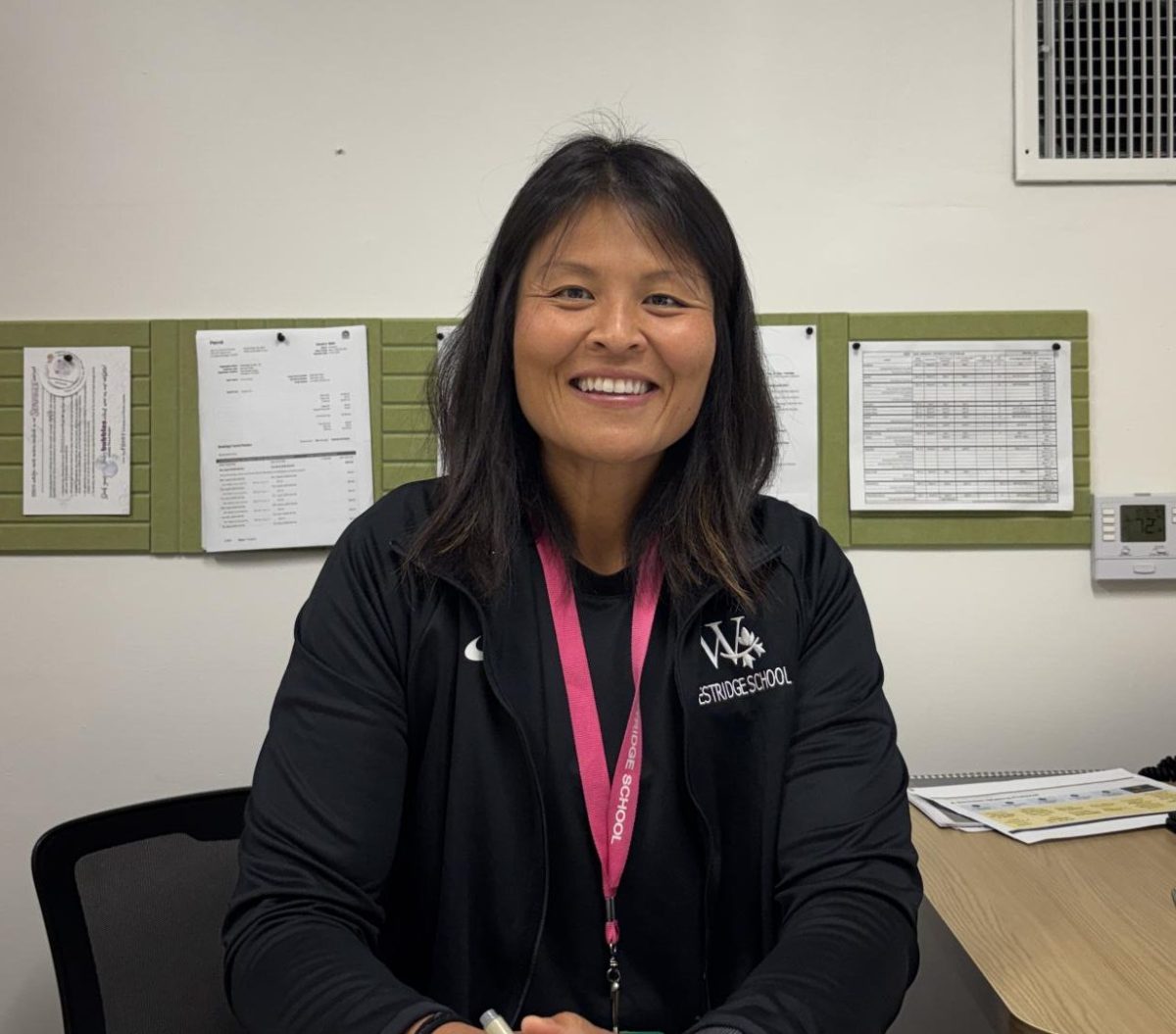
![Dr. Zanita Kelly, Director of Lower and Middle School, pictured above, and the rest of Westridge Administration were instrumental to providing Westridge faculty and staff the support they needed after the Eaton fire. "[Teachers] are part of the community," said Dr. Kelly. "Just like our families and students."](https://westridgespyglass.org/wp-content/uploads/2025/03/dr.-kellyyy-1-e1748143600809.png)
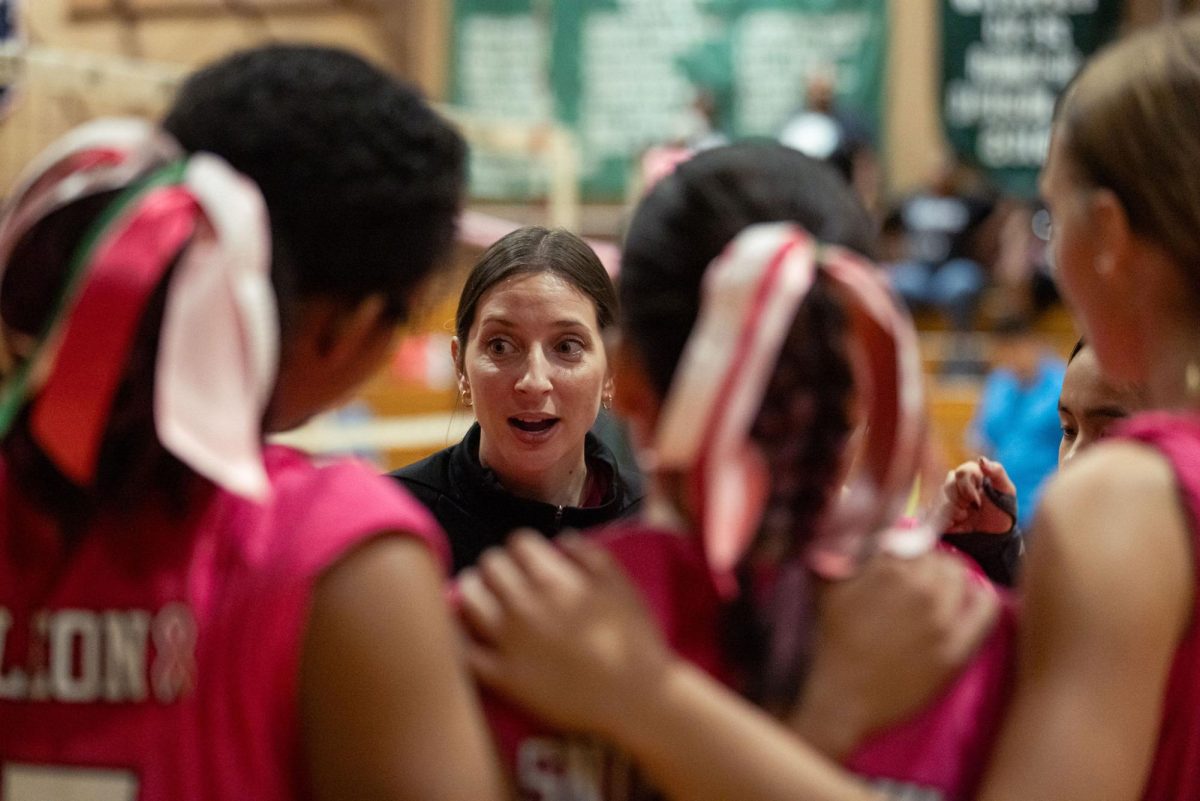
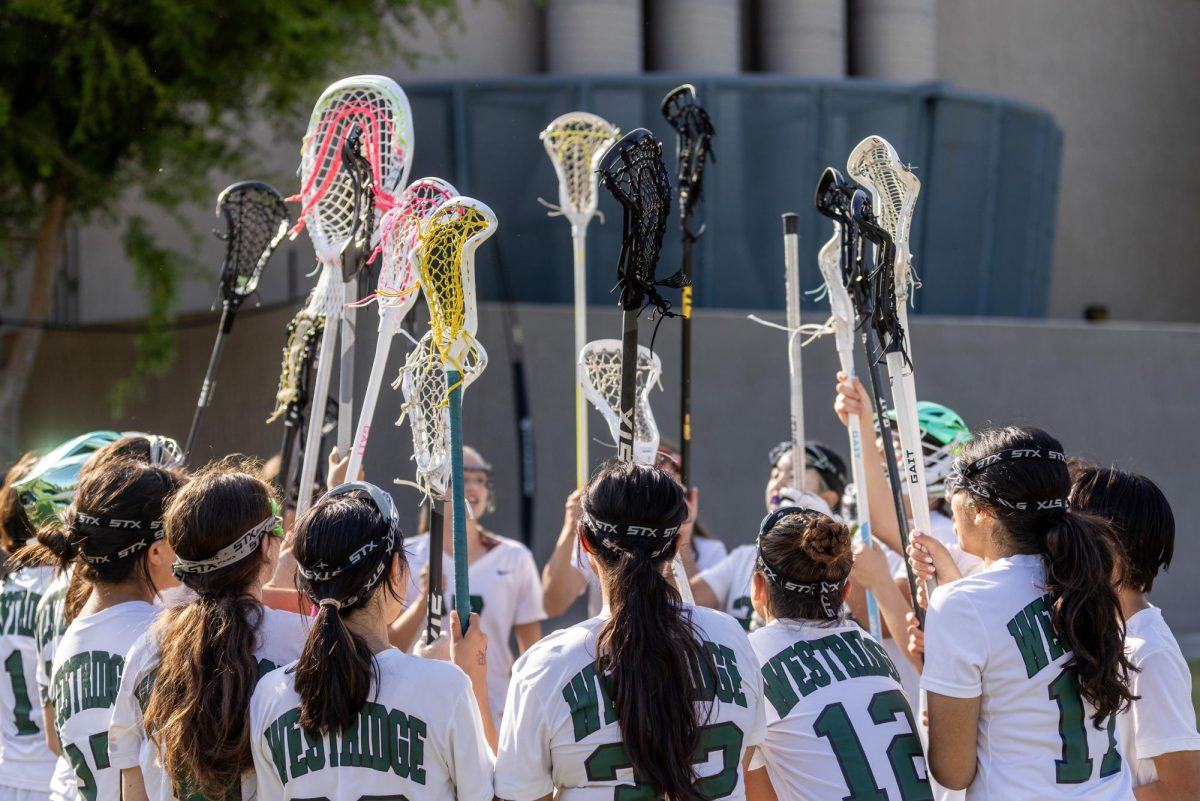
![Lacrosse had an incredible season, making it to the semifinals. Jeff Searock, the father of player Sophie S. '28 has gone to most games and said, "[The season has] been great. Great coaching, great players, kids have great attitude. You can't ask for much more."](https://westridgespyglass.org/wp-content/uploads/2026/05/IMG_3652-1200x900.jpeg)





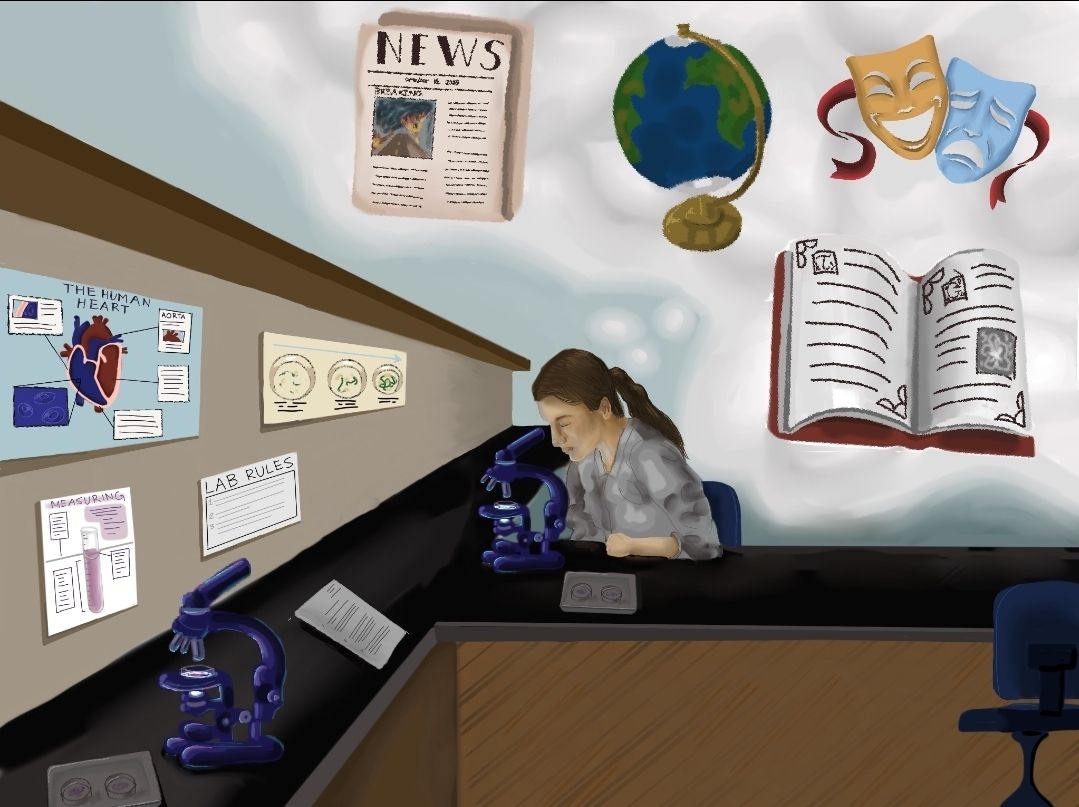
As a senior, it feels like all anyone ever talks about is college. Sharing which colleges you’re interested in can feel overly personal or inevitably invite a sense of comparison among classmates, so my peers and I often fall back on the next best thing—majors. Almost always, this means asking something like, Are you a STEM or humanities person?
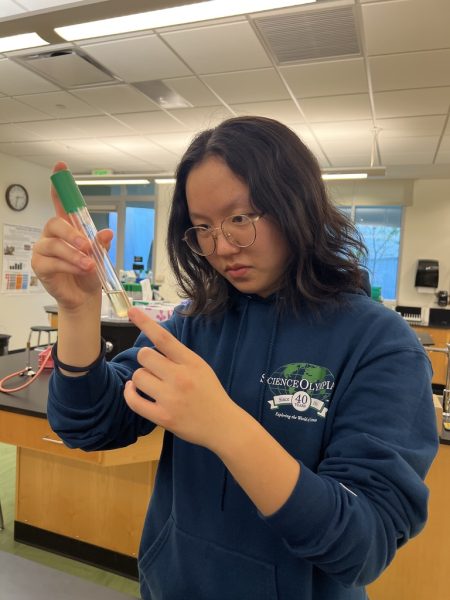
Personally, I’m very confident in sharing my interests in chemistry and pursuing research opportunities. I’ve known since middle school that I plan to study science. Still, I chose to stay at Westridge into Upper School despite having the opportunity to enroll in peer institutions like Polytechnic and Harvard-Westlake School, which are better known for STEM, partly because of Westridge’s robust humanities program.
At Westridge, I don’t have to choose between STEM and humanities and can freely embrace both. However, I often hear from my fellow aspiring STEM majors about their hopes of writing as few essays as possible after graduation. Many consider the two fields mutually exclusive, and devalue the humanities for being less lucrative.
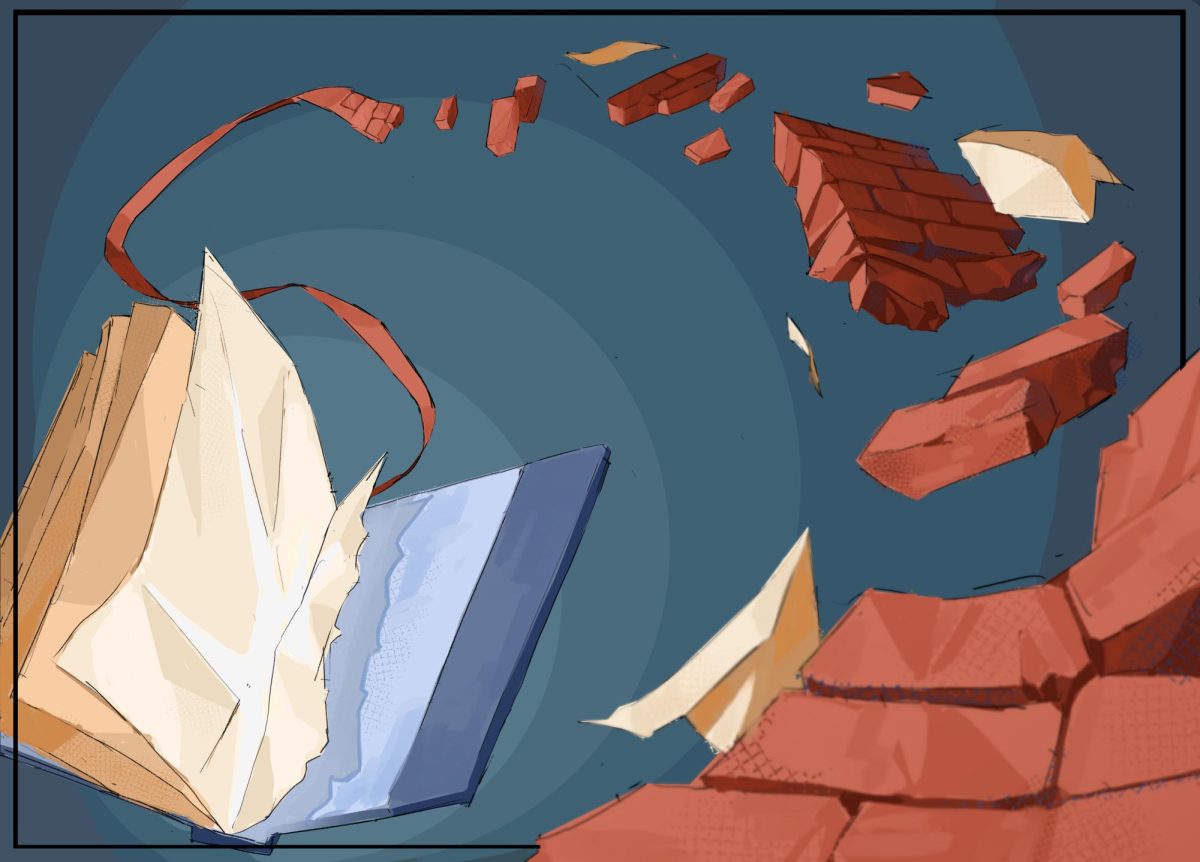
When students joke about “useless” humanities majors, they operate under the pretense that the function of education is not to learn, but to secure employment. This attitude drives students to pursue activities and classes for the sake of college applications rather than their own interests or personal development.
Some STEM-inclined students even complain about how English is the only class required for all four years at Westridge. As Spyglass website manager Gemma A. ’27 noted in her opinion piece last edition, assigned reading is often treated as a “chore.” This reductive, utilitarian view of reading feeds into some students’ reliance on sites like SparkNotes and ChatGPT or simply putting in the bare minimum to “get through” their English and history classes.
Plausible academic integrity violations aside, students are doing a disservice to themselves by sticking exclusively to the label of a STEM student and not taking full advantage of the humanities classes quintessential to the Westridge experience.
Even as someone who chose to “double up” in science classes in both junior and senior year, I believe my intellectual development at Westridge has been largely shaped by my writing classes. Students should embrace the humanities even if they are not naturally talented at or initially drawn to them. The humanities teach valuable skills applicable to all fields and encourages students to think more deeply about themselves and the world around them.
The critical thinking abilities I employ while analyzing a passage in Moby Dick or making comparisons across pieces of historical evidence are the same skills I use to connect different concepts in chemistry. Regardless of whether you think you are dead-set on a specific major—even with the understanding that ~80% of college students switch majors—the critical thinking obtained from taking humanities classes makes it easier to tackle new challenges in college and beyond. A 2023 study at Oxford University revealed that the skills developed by studying the humanities, such as creative problem-solving, the ability to synthesize and present complex information, and communication are “highly valued and sought out by employers.”
Take Jossalyn Turner Emslie ’83, for example, who won the 2021 Mary Lowther Ranney Distinguished Alumna Award for her work as a primary care physician and service to the Westridge community. Although she has both a master’s degree in biology and a medical degree, as an undergraduate, Dr. Emslie followed her passion and studied English literature. As a physician, she draws on interpersonal communication skills from her humanities background to more effectively connect with patients.
In her acceptance speech, Dr. Emslie credits the efforts of the Westridge faculty, namely those in the English and history departments who fostered her “dedication to lifelong growth and learning” through discussions.
Furthermore, engaging in the humanities also reflects Westridge’s mission to guide students towards living “lives of meaning, contribution, and impact.” By exploring different perspectives and developing a better understanding of the systems that shape our society, the humanities motivate students to pursue public service or, at the very least, instill a stronger sense of their role in a greater community.
Through Spyglass, I’ve not only become a better writer, communicator, and thinker—which is important especially in scientific research—but also developed a lifelong commitment to civic engagement. Developing a more informed understanding of my role as a citizen has also deepened my sense of responsibility as a scientist. Similarly, in my Research in History class, where students research one topic the whole year, I’ve found a way to explore my interest in biochemistry and genetics through the lens of public health and systemic inequities.
While I still plan to pursue research in college and beyond, my history classes have pushed me to consider different ways my STEM interests can intersect with public service. That realization has not only broadened my perspective, but also made my education and my goals feel more purposeful.
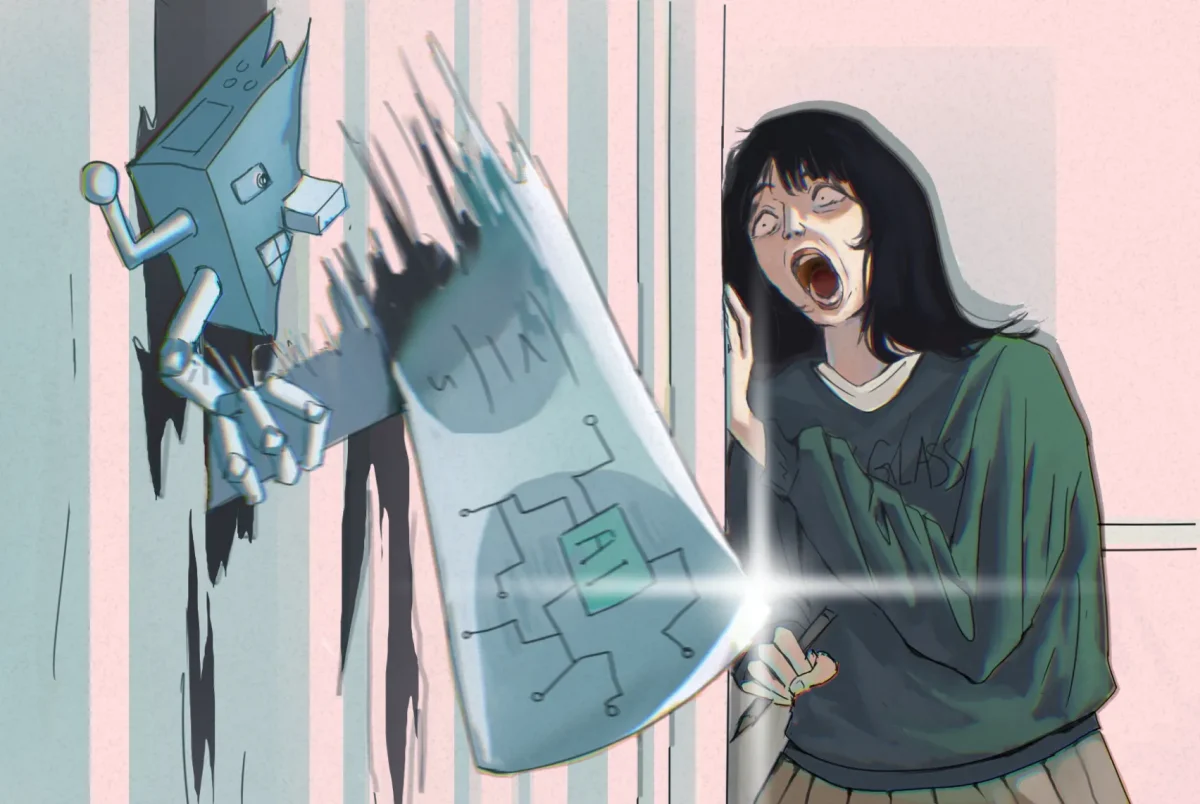
More than ever, with the rise in anti-intellectualism, the humanities are critical for encouraging open-minded thinking, empathy, and intellectual resilience—skills all students should strive to develop, regardless of their intended career. As large language models like ChatGPT become increasingly prevalent, the ability to write—and therefore to think critically—has never been more important. ChatGPT has been shown to reduce the neural performance levels of its users, making it all the more essential for students to strengthen their intellectual resilience through active participation in the humanities.
As Westridge students, we have immense privileges and opportunities in both STEM and the humanities. STEM education is important, especially since women are underrepresented in the field and attending college is an incredibly valuable opportunity. But when we reduce ourselves and our interests to one or the other, we risk commodifying intellectualism as a means for college admissions and our own financial self-interests.
The humanities embody the value of knowledge for its own sake. To disregard them is a disappointing dereliction of personal growth and a fundamental misunderstanding of the value and purpose of education.