











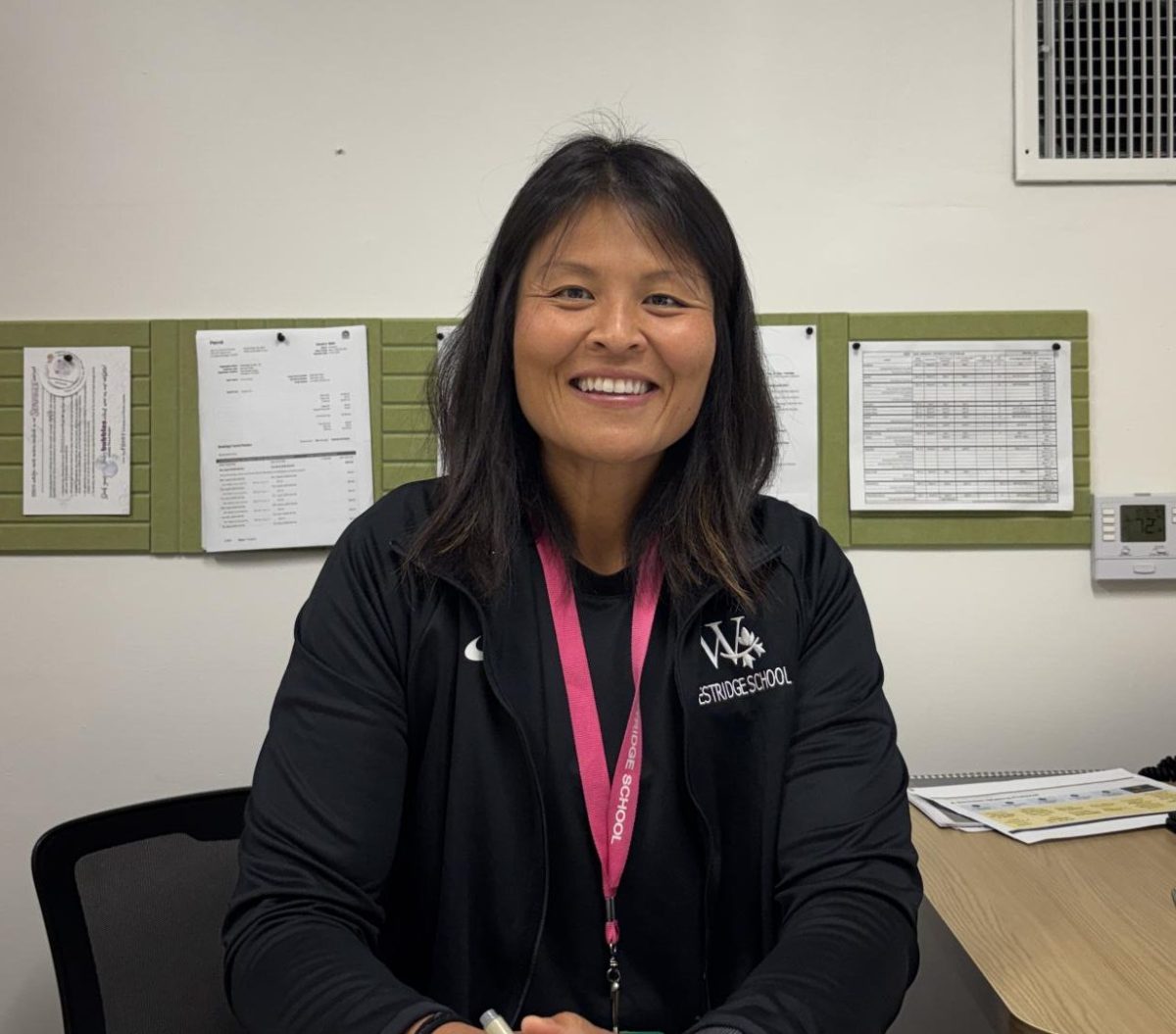
![Dr. Zanita Kelly, Director of Lower and Middle School, pictured above, and the rest of Westridge Administration were instrumental to providing Westridge faculty and staff the support they needed after the Eaton fire. "[Teachers] are part of the community," said Dr. Kelly. "Just like our families and students."](https://westridgespyglass.org/wp-content/uploads/2025/03/dr.-kellyyy-1-e1748143600809.png)
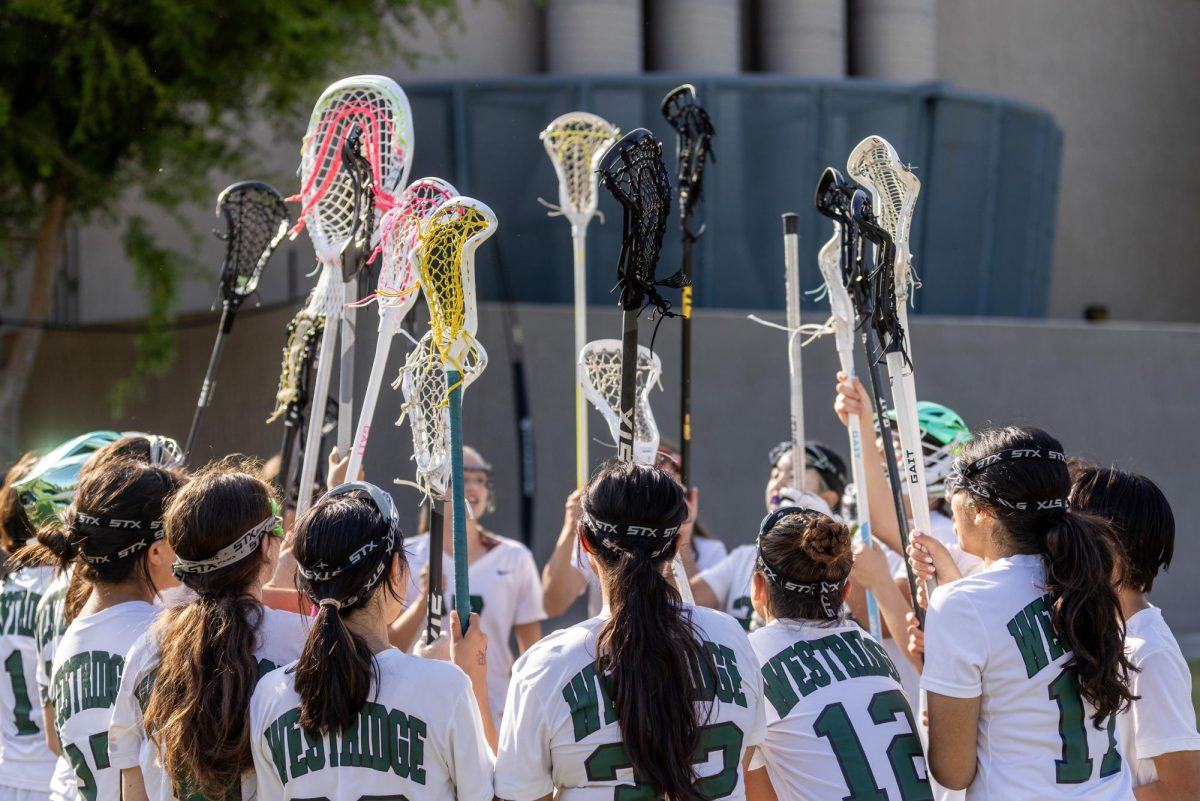
![Lacrosse had an incredible season, making it to the semifinals. Jeff Searock, the father of player Sophie S. '28 has gone to most games and said, "[The season has] been great. Great coaching, great players, kids have great attitude. You can't ask for much more."](https://westridgespyglass.org/wp-content/uploads/2026/05/IMG_3652-1200x900.jpeg)





Last winter, while my harabeoji, my grandfather, was still battling stage four cancer, I tried to imagine how I would react if he died. I thought I might burst into tears or scream out in pain like my aunts did when they finally realized that their late nights holding wrinkled, weathered hands were over. Instead, I didn’t cry at all.
He died last March, and at the time, I tried everything to get some form of sadness to come out. I set up “crying days” on my calendar, dedicating entire days to try to grieve like everyone else. I listened to “White Ferrari” by Frank Ocean. I looked at photos of him, studying the way his eyes grinned at my blank expression. I wasn’t the closest with my grandfather. I could only visit him so often in person, and there were remnants of a language barrier. But even then, he was my harabeoji and I loved him dearly. Everyone else cried when their grandfather died. But for me, the tears didn’t come, and I got angry. I was angry that I didn’t cry for him while other people could, and I felt ashamed for not being able to.
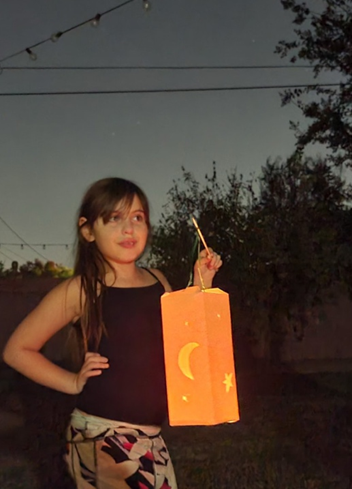
I still hadn’t shed a tear several months later when the start of Chuseok, the Korean mid-autumn festival began. Although it is often called “Korean Thanksgiving,” this is an oversimplification. First off, it’s not just celebrated in Korea. Mid-autumn festivals are celebrated in other East and Southeast Asian countries, known as Zhong Qiu Jie (Moon Festival) in China, Tsukimi in Japan, and Tết Trung Thu in Vietnamese, among others.
Like Thanksgiving, Chuseok involves gathering friends and family to share a feast in their ancestral hometowns. Chuseok is a holiday that encourages people to revisit their roots and maintain relationships with their ancestors. For example, charye (also known as jesa) is when people set up temporary memorial services for their ancestors in an intimate setting. These memorials are comprised of one or more traditional Korean tables filled with seasonal dishes including apples, Korean pears, yakgwa (Korean traditional honey cookies), tteokguk (Korean rice cake soup), songpyeon (Korean rice cakes), grilled fish, rice, and vegetable banchan (Korean side dishes).
The food is often accompanied by candles and a physical symbol representing the ancestors that the charye is honoring. Charye can be relatively simple or very elaborate, with some of them including a second, taller table with more food, large Korean parchment folding screens, mats, and incense. During the ceremony, people will bow down in front of the memorial to honor their ancestors.

During Chuseok, Koreans also partake in Seongmyo, which involves visiting ancestral graves, cleaning them, and bowing to the graves in respect. These ancestral graves are often far away from where most families in Korea live, out in the countryside. Visiting the quiet, untouched nature of the countryside is a kind of transformative tradition and encourages the serenity of returning to one’s ancestral roots.

The celebration lasts three days: the day before, the day of, and the day after the 15th day of the eighth month of the lunar calendar, which is a day of full moon. Chuseok falls on a different day each year on the Gregorian calendar, and it occurred on October 6 this year.
Many Korean families plan out how they are going to celebrate it well in advance. My immediate family doesn’t celebrate Chuseok that much. We aren’t as connected to Chuseok as other Koreans because we live so far away from Korea, where all the graves of our ancestors are. Before my grandpa died, I didn’t have any reason to do seongmyo or charye. Now that he is gone, I feel like I finally had a reason to celebrate this year.
This year, I came home from school in early October and saw some half-eaten songpyeon on the dining table. Songpyeon is colorful, dew-drop-shaped rice cakes filled with sweet sesame filling, primarily eaten during Chuseok. It wasn’t until I smelled the faint nuttiness of its sesame oil coating that I realized that today was Chuseok. I felt compelled to pick up the shiny and soft rice cake. The inside was slightly firm while the outside was sticky and chewy, enough to cling to my teeth in every bite. Then came the best part, the filling: sesame seeds in a nutty, brown sugar syrup. Toasty, nutty, enticing sweetness — one that tasted like the rainy walk my grandfather and I had on the side of the road when I was ten years old, my hand almost completely disappearing into his weathered ones while we fought over who would be covered under the umbrella. It tasted like laying down together in bed taking an afternoon nap while I was adjusting to jetlag. It tasted like how his hand refused to let go of mine under the dinner table while he gave the occasional glance or whispered “saranghanda.”

I reached for a dark green songpyeon this time, tasting slightly more bitter from the mugwort that was added in to get its color. I imagined an altar for him overflowing with his favorite Korean dishes of all the restaurants we ate at every time we would visit. Maybe it wouldn’t just be the typical dishes this time, but his favorite dish, ddakjuk, or Korean chicken porridge. “Ddakjuk is easy to swallow and it warms the soul,” he would say, and he would recommend that I eat it if I ever got sick. Perhaps there would be a picture of him above the altar with his toothless smile, stretched out, rosy cheeks, his eyes behind the glasses grinning back at me. I might include pictures of his bed, which was made out of a solid rock mattress that heated up with a remote to soothe his back pains. There would have to be a picture of him in his favorite fedora hat.
I took another bite of songpyeon. The sweetness reminded me of the sweetness of his voice, his deep, rural twang, and how his words were coated with wisdom and love. We didn’t speak much — my Korean couldn’t keep up with his rural dialect, but we spoke through our hands and little phrases. But the lack of speech, the lack of noise between us left us in quiet reflection while we silently felt the love. I would never hear that voice again. I would never again feel his thick, calloused hands that were still firm despite his age. Instead, all I could do to feel a fraction of his love was to eat songpyeon wrapped in plastic and styrofoam.
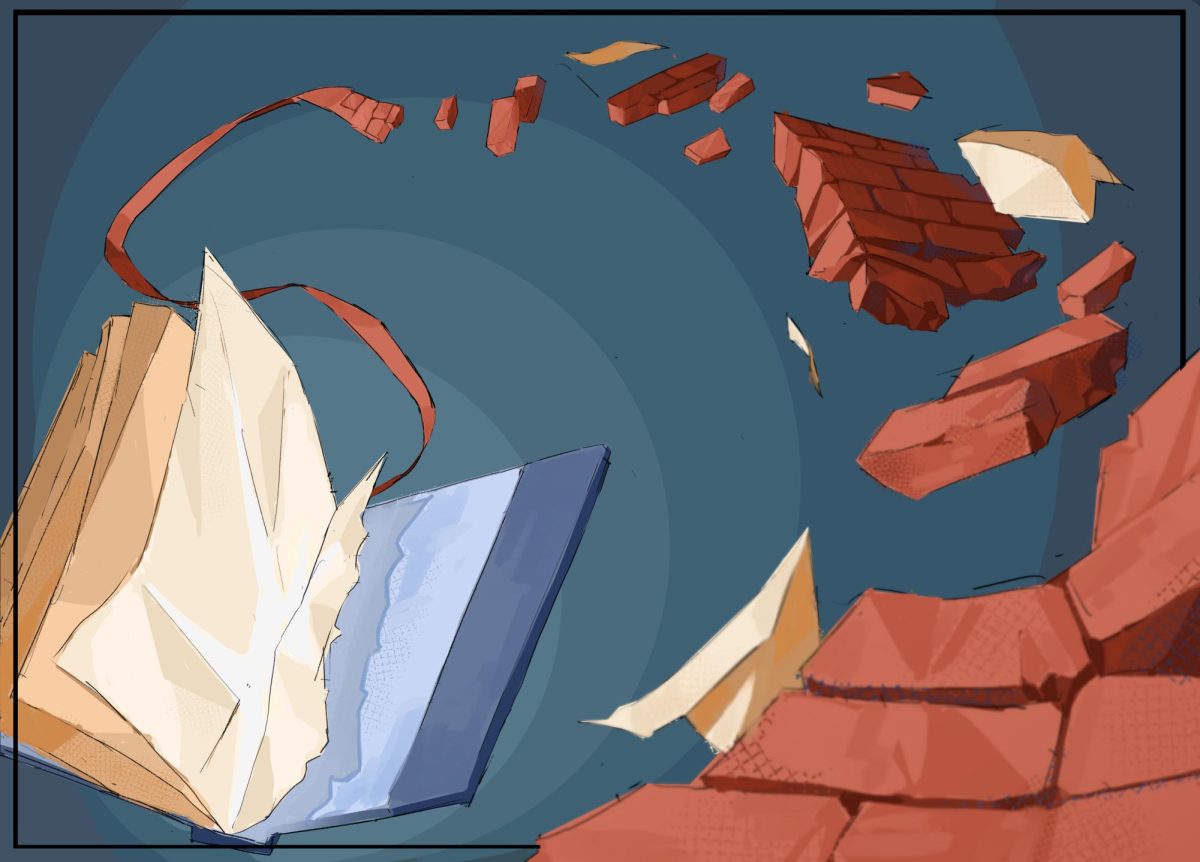
That’s when the tears started to flow. It was the first time I lost someone I loved. And it was the first time I could fully grieve for him. I didn’t do any charye or seongmyo this year, but I was able to celebrate Chuseok on my own terms. I felt closer to my grandfather and closer to Korea. I was able to release the pain that was pent up inside me for over half a year. Even though it was a quiet, painful experience, the pure liberation that I felt from crying on Chuseok was a moment that I’ll keep with me forever. Chuseok taught me how to grieve. It taught me how to lose someone I loved, and most of all, it taught me that I don’t have to grieve like everyone else.

Carys Hong • Nov 3, 2025 at 10:08 am
I can literally taste the rice Songpyeons, Jane! This article is so beautiful
Livia Chung • Nov 3, 2025 at 8:50 am
love this article!! my harabeoji died on my birthday a few years ago and my experience was entirely different, but this perspective is beautiful (‘v’)/